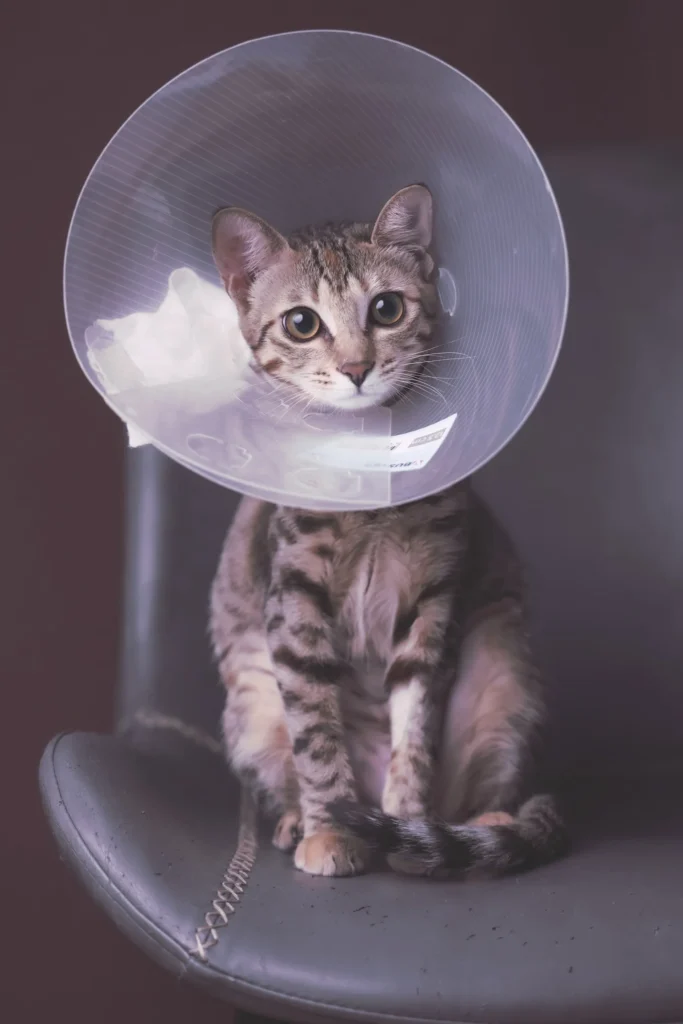
Why Choose Nimbus Pet Hospital?
We know that dropping your pet off for surgery can be stressful. At Nimbus Pet Hospital, we treat every patient as if they were our own. We serve the Tigard and Beaverton communities with a focus on safety, comfort, and transparency.
When you choose us for your pet’s surgery, you aren’t just getting a quick procedure; you are getting a dedicated surgical team. We utilize advanced monitoring equipment to track your pet’s heart rate, oxygen levels, and blood pressure throughout the entire operation. Our pain management protocols ensure your pet stays comfortable before, during, and after surgery. From the moment you walk in until you pick up your pet with their post-operative care instructions, our team is by your side.
More Than Just Surgery: What We Discover
A spay or neuter appointment is often one of the first times a young pet undergoes a deep medical evaluation under anesthesia. This allows our veterinarians to identify and address issues that might be difficult to spot during a standard physical exam on a wiggly puppy or kitten.
During the pre-surgical exam and the procedure itself, we can identify or treat several other conditions:
- Retained Baby Teeth: Sometimes, a pet’s deciduous (baby) teeth don’t fall out on their own. We can extract these while your pet is asleep to prevent overcrowding and future dental disease.
- Umbilical Hernias: If your pet has a small hernia (a “outie” belly button caused by abdominal fat poking through the muscle wall), we can often repair this during the spay or neuter surgery.
- Bloodwork Insights: Our pre-anesthetic blood testing can reveal hidden issues with liver or kidney function, clotting disorders, or anemia, allowing us to catch underlying health problems early.
Frequently Asked Questions
When is the best time to spay or neuter my pet?
While the traditional age is between 6 and 9 months, the ideal timing can vary based on your pet’s breed and size. Larger dog breeds may benefit from waiting a bit longer to allow for bone growth. We will discuss the best timeline for your specific pet during your initial exam.
Will the surgery change my pet’s personality?
No, your pet’s core personality will not change. However, you may see a reduction in hormone-driven behaviors, such as mounting, roaming, or aggression toward other animals. They will still be the same loving companion you know.
How long does recovery take?
Most pets are back to their normal selves within a few days, but full recovery for the incision site typically takes 10 to 14 days. During this time, it is important to restrict running and jumping to ensure the area heals properly.
Is the procedure painful?
We take pain management very seriously. Your pet will receive pain medication before, during, and after the surgery. We also send you home with medication to ensure they remain comfortable during their recovery at home.
Schedule Your Pet’s Procedure Today
Spaying or neutering is a compassionate choice that benefits your pet’s health and the community. If you live in Tigard, Beaverton, or the surrounding areas, trust the experienced team at Nimbus Pet Hospital to provide exceptional care for your companion.
Contact us today to schedule a consultation or to learn more about our surgical services.