
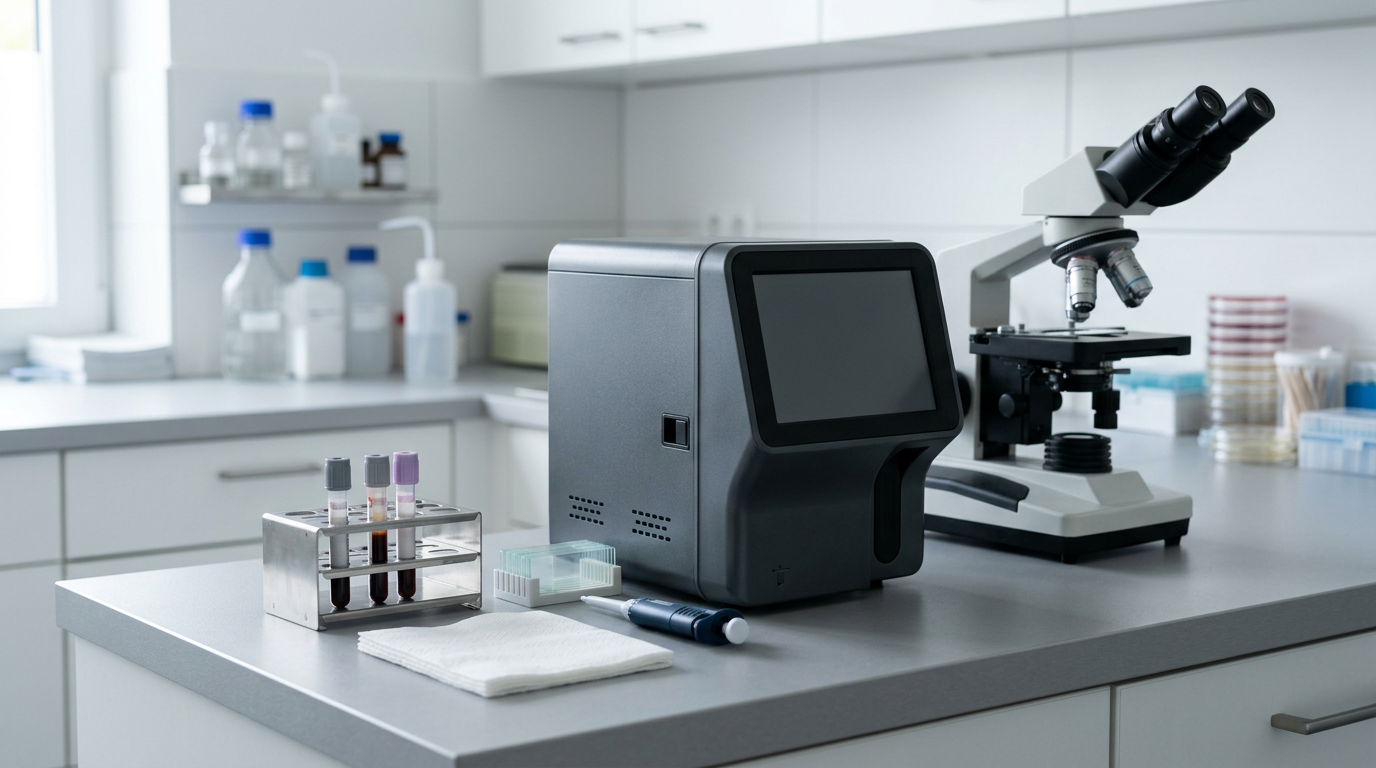
Pet Wellness and Preventative Veterinary Care in Tigard, OR
A dog that has gained a few pounds or a cat drinking more water may seem otherwise healthy. Those changes are worth discussing with a veterinarian, even when there is no obvious illness. Examinations help track health changes and review preventive needs.
Nimbus Pet Hospital offers pet wellness care for dogs and cats in Tigard and nearby Beaverton. Our services include examinations, vaccinations, parasite control, nutritional guidance, screening tests, and age-specific care. Recommendations depend on history, examination, and lifestyle.
Why Choose Nimbus Pet Hospital for Wellness Care?
At our locally owned Tigard practice, pet wellness care and preventive veterinary care bring several related decisions into one conversation. A wellness appointment might begin with a question about weight and lead to a review of diet, mobility, dental health, and whether any screening is warranted. Other visits focus on vaccines or development.
Nimbus provides physical examinations, laboratory diagnostics, imaging when appropriate, and ongoing services for young, adult, and senior pets. Our pet wellness services in Tigard allow the team to compare today's findings with prior visits, explain why particular recommendations are being made, and discuss follow-up when an issue needs closer attention.
Our veterinary preventive services also include published wellness plans for owners who prefer to organize specified routine care through monthly payments. Plan inclusions vary; review current terms before enrolling.
What Happens During a Pet Wellness Visit?
Discussing Health History and Changes at Home
Your veterinarian may ask about appetite, drinking, urination, activity, medications, and recent behavior. Has your dog stopped jumping onto the couch? Is your cat using the litter box differently? Small observations can help the team decide where to focus the examination. Bring up any new symptoms, even when they seem unrelated to the reason for the appointment.
Past medical and vaccination records are helpful.
The Physical Examination
An examination generally includes looking at the eyes, ears, mouth, skin, and coat; listening to the heart and lungs; and assessing body weight, muscle condition, mobility, and the abdomen. The veterinarian may notice dental inflammation, a new lump, or a weight trend that deserves discussion. Exams cannot detect every disease.
For additional detail about the examination itself, visit Nimbus's pet wellness exams page.
Deciding What Care Is Due
The team reviews vaccine history, parasite prevention, diet, and any age-appropriate screening needs. An adult cat with no current symptoms may need a different visit from a puppy completing its initial vaccines or a senior dog with an ongoing medical condition. Ask which recommendations address specific findings.
Preventive Veterinary Services at Nimbus Pet Hospital
The following nine categories are part of Nimbus's existing wellness offering. They support monitoring, prevention, and further evaluation.
Comprehensive Physical Examinations
Routine exams offer a chance to evaluate general condition and discuss changes that may be easy to miss at home. Weight and body-condition trends, oral health, heart and lung sounds, and joint movement can inform next steps. Findings may warrant further testing. Learn about our comprehensive physical exams.
Vaccinations
Vaccination is an important way to reduce the risk of several serious infectious diseases, including rabies, distemper, and parvovirus. Schedules depend on species, age, history, and exposure. Some vaccines are considered core; others depend on risk. Current AAHA canine vaccination guidance includes leptospirosis among core recommendations for dogs. A cat's needs are assessed separately. Nimbus offers vaccination services and can review records before recommending the next dose.
Nutrition and Weight Management
Food choices influence weight, muscle condition, and management of some medical conditions. The team can review what your pet eats, portion sizes, treats, and activity level. A growing kitten, an athletic adult dog, and a cat losing weight unexpectedly need different conversations. Unexplained weight loss or gain deserves evaluation rather than an automatic diet change. Our pet nutrition guidance addresses feeding and weight-related concerns.
Bloodwork and Health Screening
Blood testing may be recommended based on age, symptoms, medical history, medications, or examination findings. A complete blood count can provide information about blood cells, while chemistry testing assesses selected measures related to organs and metabolism. Urinalysis or parasite screening may also be appropriate. Tests may identify hidden abnormalities, but cannot guarantee early diagnosis. Your veterinarian should explain what a proposed test may clarify.
Parasite Control
Fleas, ticks, heartworms, and intestinal parasites carry different risks and require different approaches. Prevention and testing depend on species, lifestyle, travel, and exposure to other animals or environments. The Companion Animal Parasite Council supports year-round parasite control tailored by a veterinarian. Dog products may be unsafe for cats. Our parasite control services help owners discuss appropriate options.
Diagnostic Imaging and X-Rays
Nimbus offers digital X-rays and other diagnostic imaging services when clinical questions call for a closer look. Imaging may help evaluate injuries, certain abdominal concerns, or changes identified during examination. It is not routine at every wellness visit. Visit our diagnostic imaging and X-rays page for more information.
Puppy and Kitten Care
Young pets may need a series of visits for vaccinations, parasite screening, growth checks, and discussions about feeding, behavior, and sterilization timing. Owners can also discuss socialization and training. Nimbus's puppy and kitten care page explains the early-life services in more depth.
Senior Pet Care
Older pets may show changes in mobility, grooming, weight, or drinking. Senior visits can include mobility and pain assessment, chronic-condition monitoring, and selected laboratory screening. An older pet's care plan should respond to its actual needs rather than an arbitrary age cutoff. Explore Nimbus's senior pet care services.
Pet Wellness Plans
Nimbus publishes puppy/kitten, adult, and senior wellness plans with specified benefits. Some Plus tiers include additional procedures, while base plans list scheduled visits and selected preventive services. The pet wellness plans page lists options and payment terms. Plan benefits have limits, and a wellness plan is not the same thing as insurance covering unexpected illness or injury.
Preventive Care Changes Throughout Your Pet's Life
A useful plan evolves as an animal grows and ages. In the first months, vaccinations, parasite prevention, growth, nutrition, and behavior are often frequent topics. The schedule may involve several visits rather than a single annual check. These appointments help new owners ask questions.
Healthy adult dogs and cats continue to need examinations, although the emphasis may shift toward dental health, weight management, vaccination boosters, parasite risk, and changes in activity. Pet wellness care during adulthood also provides a record for comparison if medical concerns develop later. Even cats that remain indoors can have dental disease, weight changes, or illnesses that are not obvious without examination.
Senior patients may benefit from more frequent visits, particularly when they have chronic disease, mobility problems, or changing appetite. Some older pets remain active and comfortable; others develop concerns that call for closer monitoring. Timing varies by patient.
| Life Stage | Common Priorities |
|---|---|
| Puppy or kitten | Vaccination series, parasite care, growth, nutrition, behavior |
| Adult dog or cat | Exams, vaccines as indicated, weight, oral health, exposure risks |
| Senior pet | Mobility, comfort, chronic conditions, selected screening |
The AAHA/AAFP feline life-stage guidance provides additional context for how a cat's needs change over time.
How Often Should Dogs and Cats Have Wellness Exams?
Many healthy adult pets should be examined at least once a year. Puppies and kittens commonly require multiple early appointments, while older pets and animals with ongoing health concerns may need examinations more frequently. Your veterinarian may suggest a different interval after reviewing risk factors and previous findings.
Creating a Preventive Care Plan That Fits Your Pet
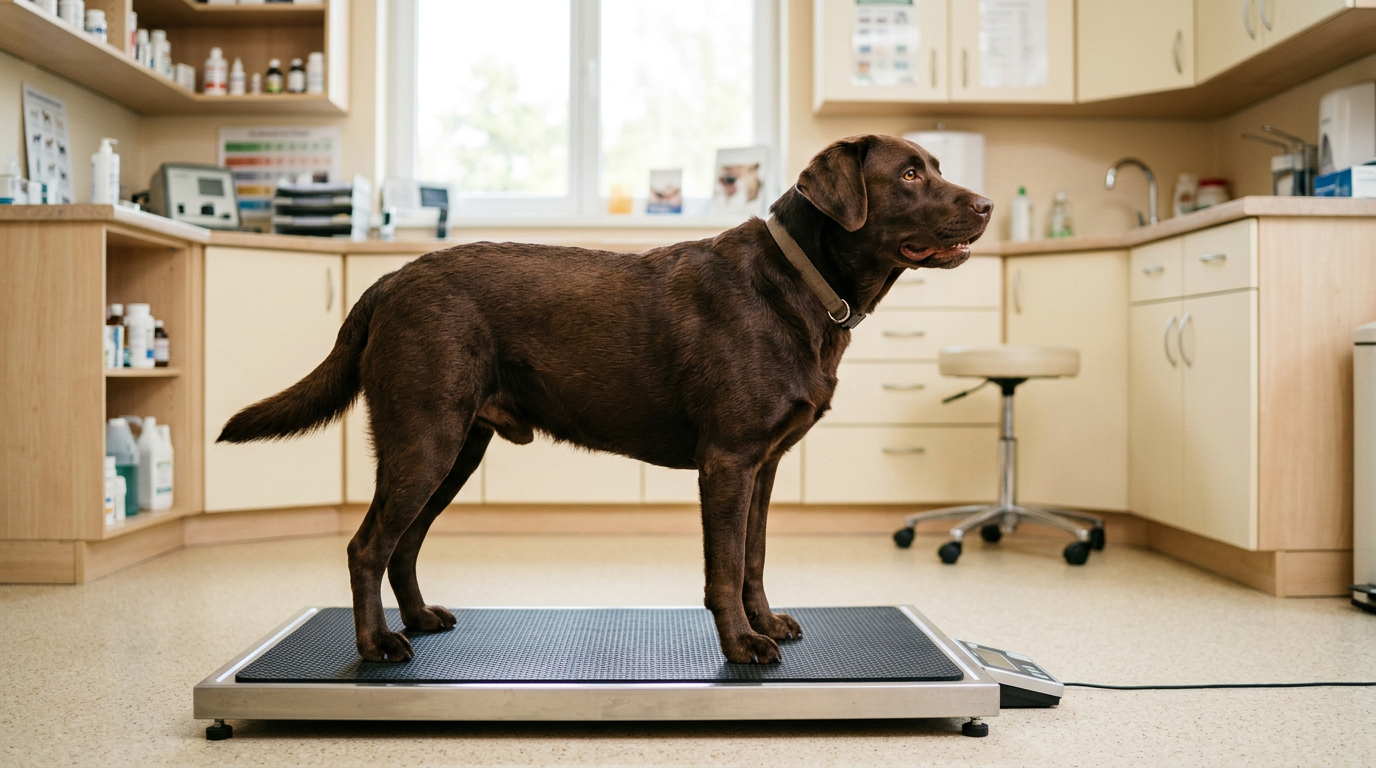
The starting point is the animal in front of the veterinarian. Age, breed, expected size, medical history, medications, diet, weight, vaccination status, and travel can all influence recommendations. Outdoor access and contact with other pets also affect exposure questions, although an indoor lifestyle does not remove every risk.
This is why preventative care for dogs and cats includes both ongoing basics and decisions that change over time. A hiking dog and an indoor cat may have different exposure risks. Nimbus can help prioritize concerns, discuss costs before additional testing, and recommend follow-up that fits the clinical findings.
Preparing for Your Pet's Wellness Appointment
Bring previous medical records and vaccination dates if you have them, along with a list of medications, supplements, and foods. Note changes in appetite, bathroom habits, sleep, or behavior. Photographs or brief videos may be useful when a symptom occurs only at home.
Ask the hospital beforehand whether a stool sample or special preparation is requested. Do not fast your pet for a routine exam unless the veterinary team specifically instructs you to. Come with questions about recommended veterinary preventive services, particularly if your pet has recently changed diets, developed new symptoms, or entered a new life stage.
Frequently Asked Questions About Pet Wellness and Preventative Care
How often should a healthy dog or cat visit the veterinarian for a wellness exam?
Most healthy adults benefit from at least an annual examination. Puppies and kittens have more frequent early-care needs, and many senior pets or animals with ongoing conditions benefit from additional visits. Your veterinarian will recommend an interval based on age, medical history, current findings, and risk rather than applying one schedule to every animal.
Does my pet need bloodwork at every annual wellness appointment?
Not necessarily. Bloodwork may help assess certain health concerns or provide a baseline, but the appropriate tests depend on age, symptoms, medications, and examination findings. Ask what each proposed panel measures and how its results might change the plan. Normal bloodwork also does not exclude every possible disease.
Does an indoor cat still need vaccinations and parasite prevention?
Often, yes, although the exact recommendations vary. Indoor cats can still encounter some infectious risks and may be exposed to parasites through household animals, people, or unexpected outdoor access. Vaccination history, health, and lifestyle influence decisions. Your veterinarian should discuss which products and vaccines are appropriate rather than assuming indoor status eliminates all exposure.
What is the difference between a wellness exam and a sick-pet appointment?
A wellness exam focuses on general health, prevention, life-stage needs, and potential screening. A sick-pet visit investigates active concerns such as vomiting, coughing, limping, or changes in urination. If symptoms are present, tell the hospital when booking so enough time and the right type of evaluation can be arranged. Urgent symptoms should not wait for a routine preventive appointment.
Do Nimbus Pet Hospital's wellness plans cover every preventive service?
No. Nimbus offers different plans with listed services and benefits, including distinctions between base and Plus options. Covered appointments, testing, and procedures depend on the selected plan and current terms. Other medical care can generate additional charges. Review the published wellness plan details and ask about exclusions before enrolling.
Schedule a Pet Wellness Appointment in Tigard
A new pet, an overdue examination, or an unexpected change in weight can all be reasons to arrange a visit. Nimbus Pet Hospital provides pet wellness care at 10115 SW Nimbus Ave, Suite 200, Tigard, OR 97223, including families from nearby Beaverton. Our team can discuss preventative care for dogs and cats and help you choose appropriate pet wellness services in Tigard.
Call (971) 300-0613 or request an appointment to review your pet's needs and the next steps.