

Pet Dermatology and Skin Allergy Care in Tigard, OR
A dog that scratches through the night or a cat that suddenly develops bald patches may be dealing with more than ordinary skin irritation. Allergies, infections, parasites, and certain medical conditions can produce similar symptoms, making it difficult to know what's wrong from appearance alone.
At Nimbus Pet Hospital, we provide pet dermatology evaluations for dogs and cats in Tigard, Beaverton, and surrounding communities. Our veterinary team examines skin, coat, and ear concerns, investigates possible underlying causes, and recommends treatment based on each patient's findings.
Skin problems can be uncomfortable and frustrating, especially when they keep returning. An examination can help determine whether your pet needs infection treatment, parasite control, allergy management, or further diagnostic testing.
Why Choose Nimbus Pet Hospital for Dermatology Care?

Effective skin treatment begins with understanding what is causing the problem. Applying another shampoo or repeating a medication may provide temporary improvement, but symptoms can return when an underlying condition remains active.
Nimbus Pet Hospital offers veterinary dermatology care within our locally owned Tigard practice. We evaluate common concerns ranging from mild irritation to chronic infections and more complicated inflammatory skin disorders.
Our approach considers your pet's medical history, current symptoms, previous treatments, and relevant diagnostic findings. Depending on the circumstances, testing may help identify bacteria, yeast, parasites, or other contributors.
As a skin veterinarian in Tigard, our team can also help owners understand when ongoing treatment, additional testing, or specialist evaluation may be appropriate.
We emphasize clear communication, so you understand why a treatment is recommended and what changes to watch for at home.
Signs Your Dog or Cat May Need a Dermatology Evaluation
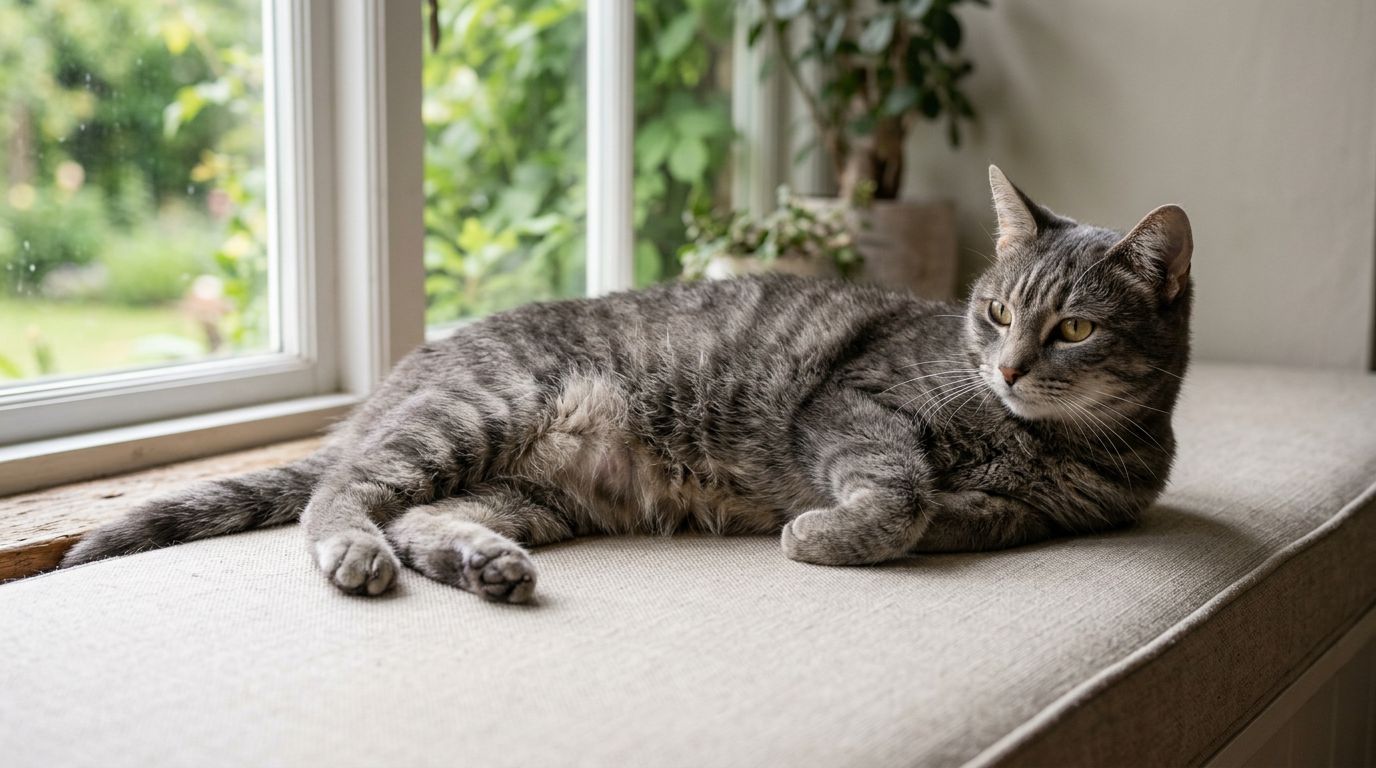
Skin symptoms can develop gradually or appear almost overnight. Some are obvious, while others show up as changes in grooming, behavior, or coat condition.
The following signs may indicate a need for evaluation.
Excessive Scratching, Chewing, or Licking
Occasional scratching is normal. Persistent licking, chewing at the paws, rubbing against furniture, or scratching that interrupts sleep deserves attention.
Allergies, parasites, and infections are common possibilities, although several other diseases can cause itching. Repeated scratching may damage the skin and create opportunities for secondary infection.
Read more about excessive scratching, chewing, or licking in dogs.
Dry, Irritated Skin
Dryness, scaling, or flaky skin may accompany environmental allergies, skin infections, parasites, or other medical disorders.
Changes in skin moisture and barrier function can contribute to irritation, but dry skin alone does not establish the cause. Identifying accompanying symptoms helps determine what evaluation is needed.
Scabs
Scabs develop when damaged skin begins healing. They can follow scratching, minor injuries, infections, or inflammatory conditions.
Multiple crusted areas, recurring scabs, or lesions that fail to heal deserve examination. Their distribution and appearance may provide useful diagnostic clues.
Redness and Inflammation
Redness may occur around the paws, abdomen, face, or ears. Some pets also develop swelling, warmth, tenderness, or unusual skin odor.
Because inflammation has multiple possible causes, treating redness without investigating accompanying symptoms may leave the original problem unresolved.
Abnormal Hair Loss
Patchy bald spots, thinning hair, or changes in coat texture can occur with infections, parasites, allergies, and hormonal disorders.
Cats sometimes lick away substantial amounts of hair without their owners witnessing the grooming. What appears to be spontaneous hair loss may actually reflect excessive licking.
Rashes
Rashes may appear as small bumps, red patches, pustules, or larger irritated areas. Their appearance varies with the underlying condition.
An examination is especially important when lesions spread, become painful, discharge fluid, or occur alongside reduced appetite or other signs of illness.
Common Skin Conditions We Evaluate and Treat

Nimbus evaluates a broad range of skin, coat, and ear concerns. The following conditions are among those described in our existing dermatology services.
Autoimmune Skin Diseases
Autoimmune skin disorders occur when the immune system mistakenly targets the body's own tissues. Depending on the disease, pets may develop crusts, sores, ulcers, or changes in pigmentation.
These conditions can resemble infections or allergies and sometimes require biopsies and ongoing medical management.
Our autoimmune skin disease care page explains these disorders in greater detail.
Bacterial Skin Infections
Bacterial infections can cause redness, pustules, crusting, odor, and discomfort. Some occur after wounds or other skin damage, while others develop alongside allergies or additional underlying disease.
Treatment depends on the infection's extent and clinical findings. Identifying predisposing factors is particularly important when infections recur.
Environmental Allergies
Pollen, grasses, dust mites, and other environmental exposures may contribute to allergic skin inflammation.
Some pets experience seasonal flare-ups, while others itch throughout the year. A pet with environmental allergies may also develop recurrent infections involving the paws, skin folds, or ears.
Managing pet skin allergies may require several coordinated approaches rather than a single treatment.
Food Allergies
Food-related allergic reactions can cause itching, recurrent ear problems, or other skin symptoms. Some affected animals also develop gastrointestinal signs.
A food allergy cannot reliably be diagnosed simply by looking at the rash or identifying a suspected ingredient.
Veterinary-directed elimination diets and controlled dietary challenges are important tools for investigating possible dietary reactions.
Parasite Infestations
Fleas, mites, and other external parasites can cause irritation and skin damage.
Flea-allergic animals may experience considerable itching from limited exposure, even when owners cannot find fleas.
Effective parasite management may involve treating affected animals and addressing relevant environmental exposure.
Fungal Infections
Fungal skin conditions include dermatophyte infections such as ringworm and overgrowth of certain yeasts.
Ringworm may produce hair loss, scaling, and crusting. It can spread between susceptible animals and people.
Malassezia yeast overgrowth more often contributes to inflammation, greasiness, odor, or itching, particularly when another skin condition is present.
These conditions require different diagnostic and treatment approaches.
Mange
Mange results from infestation with particular types of mites.
Sarcoptic mange often causes intense itching, while demodicosis may produce hair loss and inflammation with variable itching.
The type of mite, extent of disease, and patient's health influence treatment recommendations.
Ear Infections and Related Skin Problems
Ear inflammation may be associated with environmental allergies, parasites, microbial overgrowth, or other contributing conditions.
Head shaking, scratching, discharge, and odor are reasons to arrange an examination.
For a closer look at this connection, see our article on why dogs keep getting ear infections.
How Veterinarians Diagnose Skin Problems in Dogs and Cats

A thorough dermatology evaluation starts with understanding the history of the problem. The location of lesions, age of onset, and response to previous treatments can help narrow the possibilities.
Reviewing Symptoms and Medical History
Your veterinarian may ask when the symptoms began, whether they change with the seasons, and which treatments have already been tried.
Information about flea prevention, diet, treats, medications, grooming products, and other pets in the household can also be useful.
For chronic cases, photographs showing how the skin looked during earlier flare-ups may help document changes.
Skin Cytology and Diagnostic Testing
Different tests answer different clinical questions.
Skin cytology involves examining a sample collected from the skin under a microscope. It can help identify inflammatory cells, bacteria, or yeast.
Diagnostic Tests Your Veterinarian May Recommend
Depending on the findings, a veterinarian may recommend:
- Skin scrapings: To investigate certain mites.
- Flea combing: To look for fleas or flea dirt.
- Ear cytology: To assess inflammation and microorganisms in affected ears.
- Fungal testing: To investigate suspected dermatophyte infections.
- Skin biopsy: To examine unusual, persistent, or potentially immune-mediated lesions.
Not every pet needs every test. Examination findings guide the appropriate workup.
Investigating Possible Allergies
Veterinary dermatology evaluations often involve ruling out parasites and infections before establishing a diagnosis of allergic skin disease.
According to the AAHA allergic skin disease guidelines, a structured history, physical examination, and appropriate diagnostic testing are important.
Environmental allergy testing has particular applications, including selecting allergens for immunotherapy. It does not independently diagnose atopic dermatitis.
When food allergy is suspected, a controlled elimination diet followed by a veterinary-directed challenge may be recommended.
When Further Evaluation Is Needed
Some conditions require additional investigation when routine treatment does not produce the expected response.
Unusual ulcers, persistent lesions, difficult-to-control infections, or suspected autoimmune disease may warrant further testing or referral.
A careful reassessment is more useful than assuming every recurrence has the same cause.
Treatment and Long-Term Management of Pet Skin Conditions

Treatment depends on what the examination and diagnostic findings reveal. An itchy dog with a mite infestation needs a different plan than one experiencing chronic allergic inflammation.
Treating Infections and Parasites
Bacterial and yeast infections may require appropriately selected topical or systemic treatments. Parasite-related conditions call for effective parasite control.
Treatment selection depends on disease severity, location, the patient's health, and other findings.
Medications should be administered as prescribed. Never substitute human skin products or discontinue treatment early without veterinary guidance.
Managing Allergic Itching and Inflammation
Managing pet skin allergies may involve medication to relieve itching, treatment of secondary infections, appropriate skin care, and consistent parasite prevention.
Some patients need adjustments throughout the year as exposures or symptoms change.
Chronic allergic conditions are often managed rather than permanently eliminated. The objective is to reduce discomfort and flare-ups while maintaining an acceptable quality of life.
Veterinary-Directed Dietary Trials
When food allergy is suspected, your veterinarian may recommend a carefully selected elimination diet.
A successful trial requires consistency. Treats, flavored medications, table scraps, and supplements may interfere with results if they contain ingredients outside the prescribed diet.
Randomly changing commercial foods rarely provides the same diagnostic information as a controlled trial.
Nimbus also offers veterinary nutrition guidance, which may be relevant when dietary management is part of a treatment plan.
Follow-Up and Treatment Adjustments
Some dermatologic problems resolve after an appropriate course of treatment. Others require continued monitoring.
Follow-up examinations help determine whether infection has cleared, inflammation has improved, or further testing is needed.
Owners should report changes in symptoms, medication tolerance, and new skin lesions rather than assuming the original treatment remains appropriate indefinitely.
Why Do Some Skin Problems Keep Coming Back?
Recurring skin symptoms can be frustrating, particularly when a pet initially improves with treatment.
One common explanation is that a secondary infection improves while the underlying condition remains active. A dog with environmental allergies, for example, may develop repeated skin infections when ongoing itching and inflammation disrupt the skin barrier.
Incomplete parasite control, additional allergens, or a change in the underlying disease can also contribute.
Some dog skin conditions require periodic reassessment because symptoms evolve. A treatment that worked during one episode may not address a later problem.
Keeping a record of flare-ups, medications, diet changes, and environmental exposures can make follow-up discussions more productive.
Frequently Asked Questions About Pet Dermatology
How can I tell whether my dog's itching is caused by allergies or a skin infection?
Allergies and infections can produce similar symptoms, and they frequently occur together. Itching, redness, odor, and irritated paws do not establish a specific diagnosis. Your veterinarian may use skin cytology, parasite checks, and examination findings to determine whether infection is present and investigate possible underlying causes.
Can indoor cats develop skin allergies or parasite-related itching?
Yes. Indoor cats can develop allergic skin disease, and certain parasites may still be introduced into the home. Cats may show itching through excessive grooming, hair loss, crusting, or skin lesions rather than obvious scratching. A veterinary examination helps distinguish these possibilities from other medical conditions.
Does my pet need an allergy test to find out what's causing the itching?
Not necessarily. Initial evaluation often focuses on medical history, examination, parasites, and infections. A controlled dietary trial may be appropriate for suspected food allergy. Environmental allergen testing is generally used for specific purposes, such as developing an immunotherapy plan, rather than establishing the diagnosis by itself.
Why does my dog keep developing skin or ear infections after treatment?
Repeated infections can occur when an underlying allergy, anatomical factor, parasite problem, or another medical condition remains unresolved. Different episodes may also involve different organisms. Your veterinarian may recommend cytology, additional testing, or changes to the treatment plan rather than simply repeating the original medication.
Can a veterinarian treat chronic skin allergies, or will my pet need a specialist?
Many allergic skin disorders can be evaluated and managed in general veterinary practice. A specialist may be helpful when symptoms remain difficult to control, diagnosis is uncertain, or advanced procedures are needed. Your veterinarian can discuss whether referral would benefit your pet's particular condition.
Schedule a Dermatology Evaluation at Nimbus Pet Hospital
Persistent scratching, recurring infections, hair loss, and irritated skin deserve a closer look. Identifying contributing factors can help guide more appropriate treatment and reduce unnecessary trial and error.
Nimbus Pet Hospital provides pet dermatology evaluations at 10115 SW Nimbus Ave, Suite 200, Tigard, OR 97223, welcoming dogs and cats from Tigard, Beaverton, and surrounding communities.
If you're looking for a skin veterinarian in Tigard, contact our team at (971) 300-0613 or request an appointment to discuss your pet's symptoms and next steps.