
Expert Oral Surgery
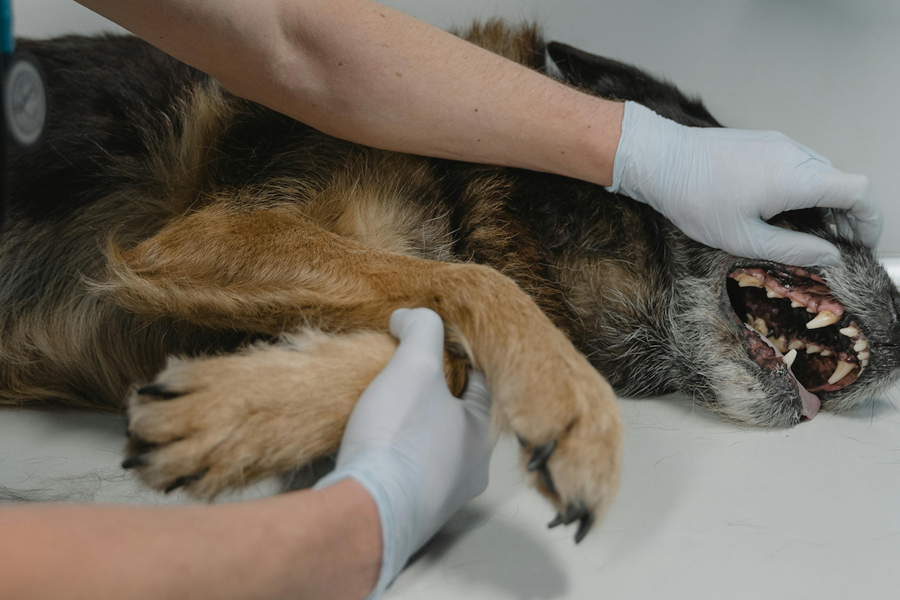
We all love seeing our pets happy, playing with their favorite toys and enjoying their meals. But did you know that the most common health issue affecting cats and dogs is hidden right inside their mouths? Dental disease affects the vast majority of pets by age three, and while routine cleanings are essential, some conditions require more advanced intervention.
At Nimbus Pet Hospital, we understand that the thought of “surgery” can be scary for any pet parent. However, oral surgery is often the most effective way to eliminate chronic pain and restore your companion’s quality of life. Whether you’ve noticed a lump on your dog’s gum or your cat is suddenly refusing dry food, our team serving Tigard and Beaverton is here to provide advanced, compassionate surgical care.
When Routine Care Becomes Surgical Intervention
Many pet owners are surprised to learn their pet needs oral surgery. Often, the need is discovered during a routine dental cleaning.
In other scenarios, the signs are more obvious at home. You might notice:
- Bleeding from the mouth
- Dropping food or chewing on only one side
- Facial swelling
- Unexplained weight loss
- Bad breath that persists despite brushing
[Think your pet might be in pain? Contact us today to schedule a consultation.]
Why Choose Nimbus Pet Hospital?
Choosing the right team for your pet’s procedure is a big decision. At Nimbus Pet Hospital, we combine advanced surgical expertise with strict safety protocols to ensure the best possible outcome.
We prioritize pain management and safety above all else. Oral surgery requires general anesthesia, which allows us to perform precise work while your pet sleeps comfortably. Our team utilizes modern monitoring equipment to track your pet’s vitals; including heart rate, oxygen levels, and blood pressure throughout the entire procedure.
From the moment you walk through our doors in the Tigard and Beaverton area to the time you take your pet home for recovery, we support you with clear communication and detailed aftercare instructions.
Conditions We Treat with Oral Surgery
Oral surgery encompasses much more than just removing loose teeth. It involves treating the hard and soft tissues of the mouth to resolve infection, repair damage, and remove dangerous growths.
Here are some of the common conditions we address:
Difficult Extractions
While simple extractions are common, some teeth (especially large molars in dogs) have multiple roots that require surgical sectioning to remove safely. This prevents root fragments from being left behind, which could cause future infection.
Oral Tumors and Mass Removal
Lumps and bumps in the mouth are common in older pets. While some are benign, others can be aggressive. We perform surgical excisions to remove these masses, often sending samples for biopsy to determine if further treatment is needed. Early removal is key to preventing the spread of oral cancer.
Palate Defects
Some pets are born with congenital defects like cleft palates, where the roof of the mouth doesn’t close properly. Others may acquire defects due to injury. Surgery can close these openings, preventing food and water from entering the nasal passages and causing infection.
Oronasal Fistulas
Advanced gum disease can eat away the bone separating the mouth from the nose, creating a hole (fistula). This often leads to chronic sneezing and nasal discharge. We surgically close these holes using healthy gum tissue flaps.
Frequently Asked Questions
Is anesthesia safe for my older pet?
Age is not a disease, but it does require us to be extra careful. Before any surgery, we perform comprehensive blood work to ensure your pet’s liver and kidneys can handle anesthesia. We tailor our anesthetic protocols to each individual patient’s health status to maximize safety.
Will my pet be able to eat after oral surgery?
Yes! Most pets are surprisingly resilient. In fact, many eat better after surgery because the source of their pain (like a rotting tooth) is gone. We typically recommend soft food for a few days to weeks while the mouth heals.
How do I know if the surgery was successful?
We provide detailed discharge instructions and schedule follow-up appointments to monitor healing. You will likely notice a significant improvement in your pet’s energy levels and appetite once they have recovered from the immediate effects of surgery.
Restore Your Pet’s Comfort Today
Oral pain can silently drain your pet’s energy and happiness. Don’t wait for symptoms to worsen. If you suspect your dog or cat is suffering from a dental issue, or if it has been a while since their last checkup, let us help.
At Nimbus Pet Hospital, we are dedicated to keeping the pets of Tigard and Beaverton smiling for years to come.
Ready to relieve your pet’s pain? Call Nimbus Pet Hospital today to book your appointment.