
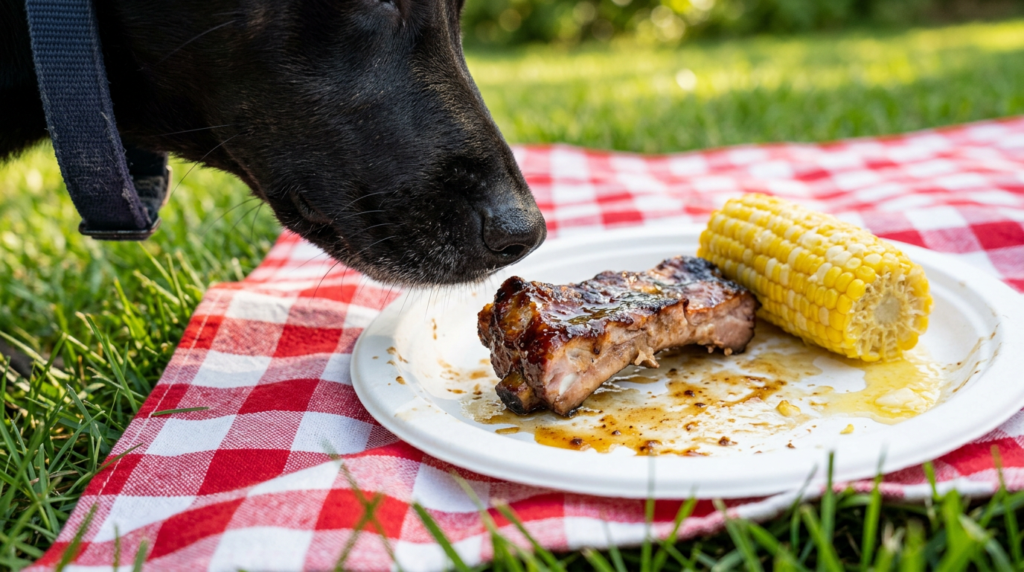
Holiday Indulgence Meets Veterinary Emergency: The Cost of Table Scraps
The festive holiday season brings families together across the Tualatin Valley, but it also marks a highly predictable spike in veterinary emergency visits. While human celebrations center around rich feasts and shared meals, canine biology operates on a much stricter nutritional spectrum. Well-meaning pet owners often view a holiday as the perfect occasion to treat a canine companion to leftover table scraps. Unfortunately, a single high-fat indulgence can throw a completely healthy dog into a life-threatening medical crisis within hours. Holiday schedules frequently disrupt normal feeding routines, leading to situations where multiple family members unknowingly feed a dog multiple scraps from the kitchen counter throughout the day.
Table of Contents
- Anatomy of an Internal Fire: How Fatty Treats Trigger Biological Self-Digestion
- Deciphering the Distressed Canine: Red Flags of an Acute Abdomen
- Beyond the Initial Crisis: The Long-Term Risks of Chronic Pancreatic Scars
- Sophisticated Diagnostics and Targeted Stabilization: How the Nimbus Team Safeguards Your Pet
- The Straight-Shooter Tigard and Beaverton Pet Care FAQ
- Ditch the Table Scraps: Protect Your Companion at Nimbus Pet Hospital
Veterinarians refer to this seasonal spike in gastrointestinal illness as the Thanksgiving Effect. This well-documented phenomenon fills animal hospitals every November and December with dogs suffering from acute abdominal distress. The primary culprits behind these emergencies are common holiday staples like greasy turkey skin, rich gravy, buttery mashed potatoes, and ham fat. Human holiday foods are also packed with heavy oils, artificial sodium, onions, and garlic, all of which are toxic or highly irritating to the canine digestive tract. Because a dog’s digestive system lacks the necessary cellular components to safely process large volumes of concentrated lipids, sudden dietary changes cause rapid, severe internal inflammation. Sharing holiday plates is a dangerous gamble, making quick medical intervention vital for a dog’s survival when an acute crisis strikes. The transition from a joyous family gathering to a midnight emergency room run is a traumatic experience that is entirely preventable through strict dietary boundaries.
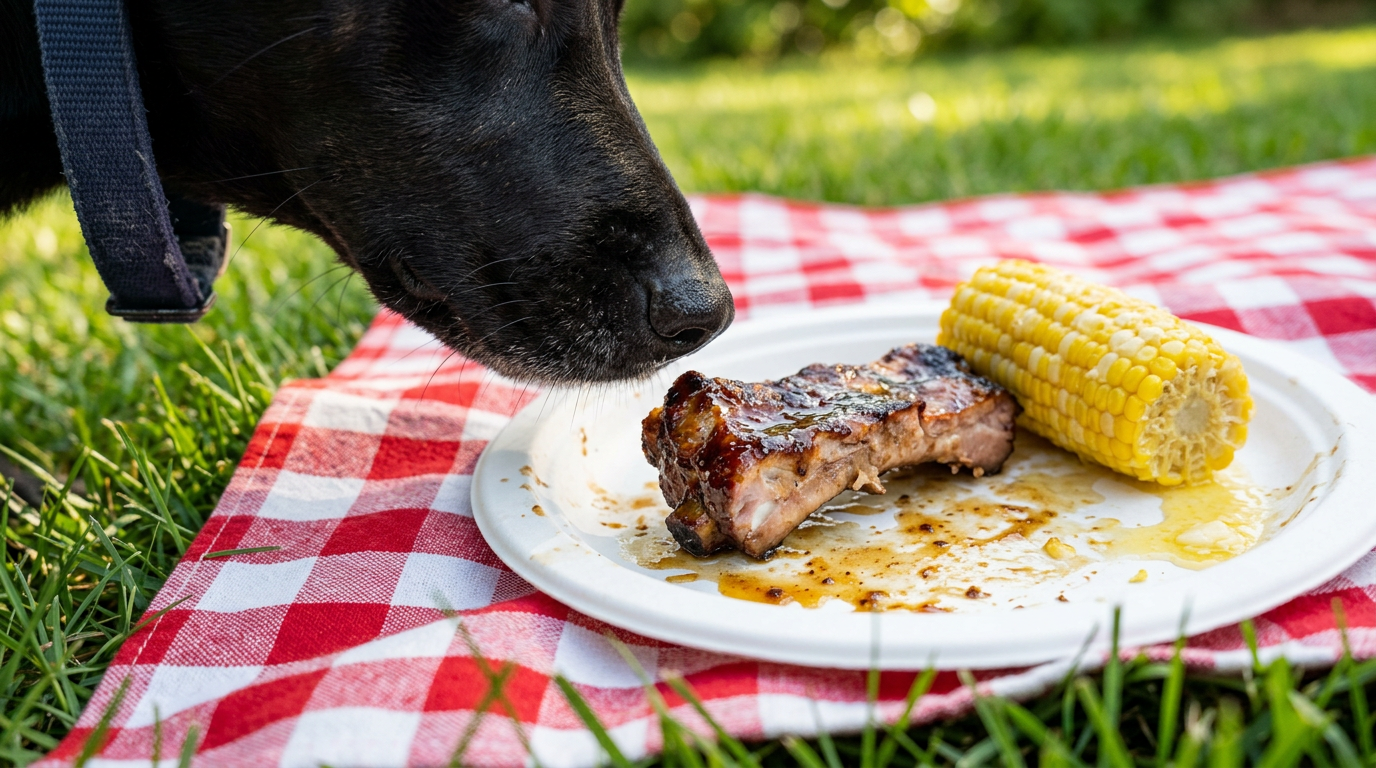
Anatomy of an Internal Fire: How Fatty Treats Trigger Biological Self-Digestion
Understanding why fatty foods cause such severe internal illness requires an objective look at the canine abdomen. The pancreas is a delicate, V-shaped organ nestled closely between the stomach and the upper portion of the small intestine. Under normal health conditions, this organ performs two vital roles for the body. It regulates blood sugar by producing insulin and manufactures powerful digestive enzymes designed to break down food proteins, carbohydrates, and fats. To protect the dog’s own abdominal cavity from damage, the pancreas safely stores these digestive enzymes in an inactive, completely dormant state. Once the dog consumes a normal meal, the organ sends these dormant fluids through a small duct directly into the small intestine, where they safely activate to begin the digestive process.
A sudden influx of high-fat food completely disrupts this carefully balanced biological sequence. When a dog consumes greasy table scraps, the massive wave of lipids triggers a frantic, overactive response from the digestive tract. The sudden chemical stress causes the powerful digestive enzymes to activate prematurely while they are still trapped inside the storage tissue of the pancreas.
This premature activation ignites a painful biological chain reaction known as acute pancreatitis. Instead of digesting food inside the intestinal tract, the active enzymes begin to break down the pancreatic tissue itself, causing the organ to literally digest its own structures. This internal fire results in severe localized cell death, ruptured blood vessels, and widespread swelling within the abdomen. As the enzymes leak out of the damaged organ, they begin to dissolve the surrounding abdominal fat, a painful process called fat necrosis that causes intense localized peritonitis. Left untreated, the inflammatory proteins escape into the bloodstream, triggering widespread vascular damage that strains surrounding vital organs like the liver, lungs, and kidneys, transforming a localized issue into a systemic emergency.
Deciphering the Distressed Canine: Red Flags of an Acute Abdomen
Recognizing the difference between a simple, temporary upset stomach and a life-threatening pancreatic flare-up is critical for every dog owner. A minor dietary indiscretion might cause a single instance of mild vomiting or a loose stool, which often resolves quickly with a short period of intestinal rest. Pancreatitis, however, behaves like a progressive internal fire. Symptoms escalate rapidly, transforming a slightly quiet dog into a patient in severe shock within a matter of hours. Waiting to see if the condition improves overnight can result in irreversible internal damage or fatal cardiovascular shock.
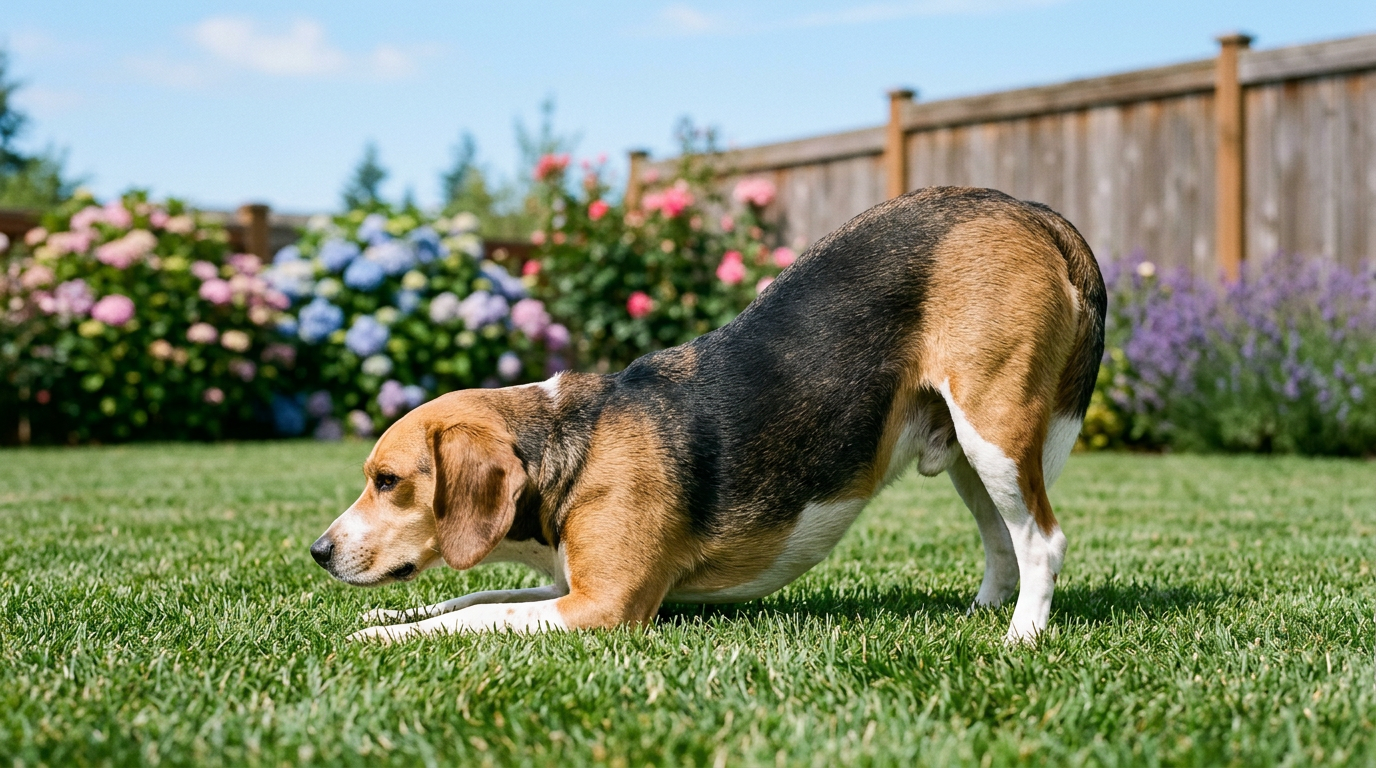
Evaluating a dog’s physical stance and behavior provides clear clues regarding the severity of abdominal pain. Canines instinctively attempt to hide physical weakness to protect themselves, but acute pancreatic pain produces distinct physical changes that cannot be masked. The intense burning sensation inside the front portion of the abdomen forces the animal to adopt specific postures to find relief from the pressure.
Pet parents must monitor their animals closely and seek immediate professional veterinary assessment if any of the following unmistakable red flags appear:
- The classic praying position, where a dog stretches its front legs flat on the floor and keeps its chest low while leaving its hindquarters high in the air, a posture designed to relieve intense pressure on the inflamed upper abdomen by letting gravity pull the other internal organs away from the pancreas.
- Persistent, forceful vomiting that continues even after the stomach is completely empty, frequently presenting as clear fluid, yellow bile, or severe dry heaving that leaves the animal visibly exhausted.
- Acute, painful diarrhea that escalates quickly, often becoming watery, foul-smelling, and containing visible streaks of bright red blood due to the rapid shedding of the intestinal lining from systemic shock.
- A sudden, total refusal to touch food, water, or favorite treats, accompanied by a tense, tucked-up abdomen that feels as hard as a board when touched.
- Extreme lethargy, where the animal refuses to lift its head, paired with heavy panting, shivering, or pale gums, which indicate systemic shock and severe internal discomfort.
Beyond the Initial Crisis: The Long-Term Risks of Chronic Pancreatic Scars
Surviving the initial crisis of an acute pancreatitis flare-up is a major milestone, but the medical journey does not automatically end when a dog leaves the hospital. A single severe episode of internal inflammation can leave permanent physical scars within the delicate tissue of the organ. This tough, non-functional scar tissue alters the structural architecture of the pancreas, drastically increasing the likelihood of chronic recurrence throughout the animal’s life. Minor dietary changes that a healthy dog could easily handle can spark a new inflammatory cycle in a previously damaged organ, forcing families to maintain a lifelong state of vigilance.
Repeated inflammatory cycles continuously degrade the functional cells responsible for maintaining metabolic health. The pancreas contains two primary types of cells: endocrine cells that produce insulin and exocrine cells that manufacture digestive juices. As healthy tissue is replaced by scar tissue, the organ loses its capacity to perform these critical tasks.
This progressive internal degradation frequently leads to serious, secondary medical diagnoses later in life:
- Damage to the insulin-producing islet cells can cause the sudden onset of canine diabetes, requiring lifelong daily insulin injections, routine blood glucose testing, and constant monitoring for hypoglycemic shock.
- Destruction of the enzyme-producing tissue results in Exocrine Pancreatic Insufficiency, a condition where the dog can no longer digest food at all, leading to chronic starvation despite eating massive amounts of food.
- Chronic pancreatic insufficiency requires lifelong treatment with expensive pancreatic enzyme replacements added to every single meal to prevent severe muscle wasting and greasy, chronic diarrhea.
- The continuous underlying low-grade inflammation can damage the adjacent bile duct, leading to secondary liver disease or chronic gallbladder issues.
Managing permanent organ failure places an immense physical toll on the dog and a significant financial burden on the family. Proactive preventative care and strict dietary management are far safer and more affordable options than trying to manage chronic secondary diseases after irreversible damage has occurred. A lifetime of insulin needles and specialized powders can be avoided by simply keeping human food out of the canine bowl.
Sophisticated Diagnostics and Targeted Stabilization: How the Nimbus Team Safeguards Your Pet
Resolving a gastrointestinal crisis requires a fast, highly analytical medical approach that rejects guesswork. Nimbus Pet Hospital, located on SW Nimbus Ave, serves as a primary, modern veterinary resource for pet owners throughout the Tigard and Beaverton communities. The practice functions as a fully equipped, diagnostic-driven facility, allowing the medical team to evaluate complex abdominal emergencies and initiate targeted therapies within minutes of a patient’s arrival. Compassionate care is paired with advanced diagnostic tools to defend vulnerable companions against the destructive path of pancreatic disease.
The hospital uses five core clinical services to stabilize sick animals and safeguard long-term health:
- Comprehensive Wellness Exams: Doctors perform deep, initial assessments to evaluate a dog’s general metabolic health, track body condition scores, and identify underlying breed predispositions before a crisis occurs. During these annual wellness visits, the medical staff tracks subtle changes in weight and blood profiles. Catching elevated lipid levels during a routine screen allows the doctor to warn the family about high-risk factors long before the holidays arrive.
- Advanced In-House Diagnostic Testing: Our advanced laboratory equipment measures the specific concentration of pancreatic lipase immunoreactivity in the blood. This specific testing allows the team to differentiate between simple dietary upset and actual organ damage immediately, saving critical time.
- High-Resolution Digital Imaging: Digital X-rays provide an instant view of the abdominal geography, ensuring the dog has not swallowed a turkey bone or a corn cob that could cause a physical blockage. Ultrasound waves then allow the doctor to look through the organs, measuring the thickness of the pancreas and detecting early fluid leakage in the surrounding tissue.
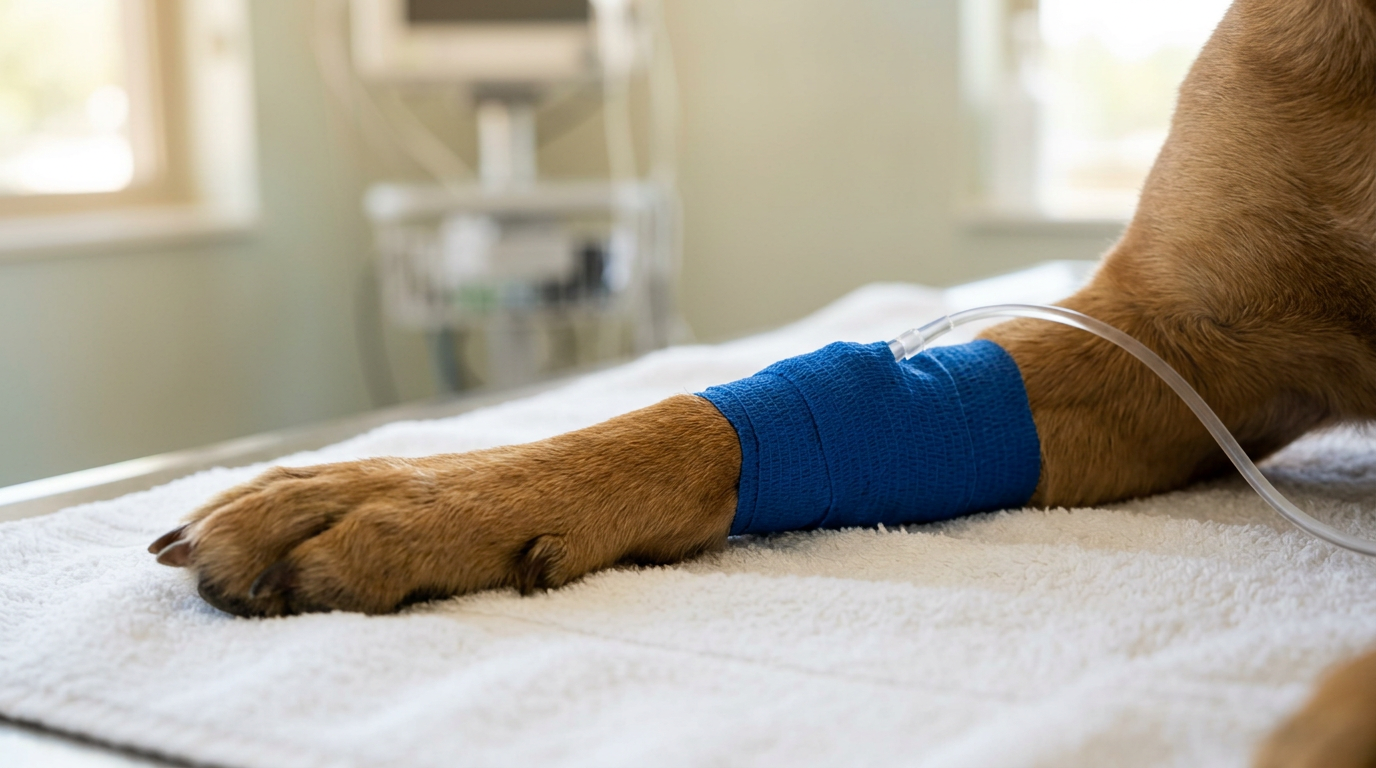
- Emergency Intravenous Fluid Therapy: When the pancreas inflames, its microcirculation fails. Blood pressure inside the organ drops, causing tissue death. Administering tailored intravenous fluids via computerized infusion pumps expands the blood vessels, delivering oxygen directly to the damaged cells while flushing out inflammatory toxins.
- Preventative Nutritional Counseling: Recovering from pancreatitis requires a strict transition to highly digestible, ultra-low-fat prescription diets. The veterinary team provides explicit nutritional roadmaps, selecting specific long-term feeding strategies that provide full nutrition without overworking the healing organ.
The Straight-Shooter Tigard and Beaverton Pet Care FAQ
How do local pet owners locate the most dependable veterinary provider in Tigard or Beaverton for sudden gastrointestinal illnesses?
Finding a reliable veterinarian for an acute illness requires looking for a clinic that combines advanced diagnostic technology with experienced medical oversight. A standard facility might rely on broad symptoms and general medications, but a top-tier provider eliminates the guessing games completely. The medical team led by Dr. Hadi at Nimbus Pet Hospital uses immediate in-house blood analysis, automated diagnostics, and advanced imaging to confirm an exact diagnosis during the initial visit. This speed allows the doctors to start specific, targeted therapies right away, which significantly improves the patient’s recovery timeline.
What modern diagnostic imaging steps occur at your SW Nimbus Ave facility when diagnosing abdominal pain?
When a distressed dog arrives at the clinic on SW Nimbus Ave with a painful abdomen, the medical staff moves quickly to assess the internal organs safely. Veterinarians utilize high-resolution digital X-rays to get a rapid, clear view of the entire chest and abdominal cavities, helping to rule out swallowed objects or structural blockages. Following the initial radiographs, advanced ultrasound scans are used to view the pancreas directly. This imaging allows the doctor to measure localized swelling, check for fluid accumulation, and evaluate blood flow to the surrounding organs in real time.
Can routine nutritional planning during a canine wellness exam truly prevent dietary pancreatitis?
Proactive dietary management during an annual examination is highly effective at preventing acute pancreatic crises. During a comprehensive wellness exam, veterinarians perform precise body condition scoring and evaluate a dog’s exact daily calorie intake. The team works directly with pet parents to identify high-risk variables, establish explicit low-fat treat guidelines, and select appropriate baseline diets. This preventative planning helps safeguard breeds that are naturally prone to metabolic issues, such as Miniature Schnauzers, Cocker Spaniels, and senior dogs, before a dangerous dietary indiscretion occurs.
What scheduling options exist at Nimbus Pet Hospital if a dog falls ill over a holiday weekend?
Gastrointestinal emergencies do not stick to a convenient schedule, which is why access to flexible veterinary hours is essential for local families. The modern clinic on SW Nimbus Ave operates seven days a week, providing accessible care options from Monday through Sunday. The hospital is open from 8am to 5pm during the week, 8am to 3pm on Saturdays, and 8am to 1pm on Sundays. These extensive windows allow pet owners in Beaverton and Tigard to secure prompt, professional diagnostic care during holiday weekends without facing the long wait times and extreme costs of an overcrowded emergency referral center.
Ditch the Table Scraps: Protect Your Companion at Nimbus Pet Hospital
The holiday season brings plenty of joy and celebration, but it also presents continuous dietary temptations that can compromise a dog’s health. While sharing rich table scraps feels like an act of affection, the biological reality makes it a dangerous gamble with an animal’s life. An inflamed pancreas requires immediate, professional stabilization to prevent systemic shock and permanent organ scarring. Monitoring severe abdominal symptoms at home or waiting for the condition to pass simply delays vital care and increases clinical risks. Ditch the dangerous table scraps completely, focus on safe pet-friendly alternatives, and partner with a dedicated medical team to secure your companion’s wellness. Contact the expert veterinary team at Nimbus Pet Hospital right away by visiting nimbuspet.com or calling the clinic on SW Nimbus Ave to book a comprehensive consultation or secure immediate emergency diagnostic evaluation.