
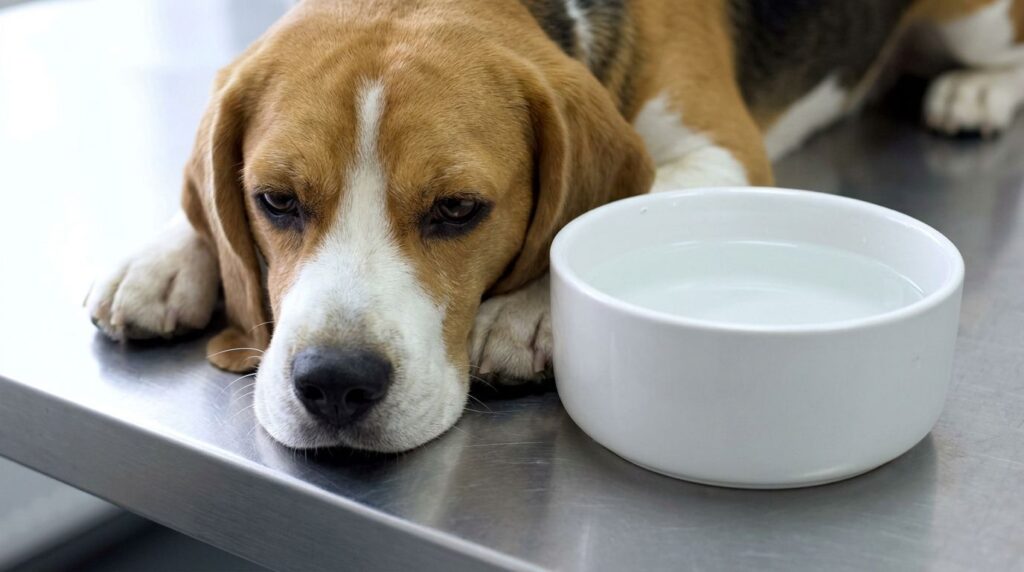
Sifting Through the Chaos: Resolving the Panic of Midnight Animal Illness
A sudden whimper from the living room floor or an unexpected bout of heavy panting in the middle of the night can instantly cause a wave of anxiety for any pet parent. When a dog or cat shows clear signs of physical distress, the clock feels like it is moving twice as fast. In these tense moments, making an immediate, accurate assessment of an animal’s medical needs is a massive challenge. Panic can blur clinical realities, frequently leading owners to rush to an expensive twenty-four-hour emergency trauma ward for an issue that could have been handled more efficiently elsewhere. Conversely, downplaying a major internal crisis can have devastating consequences for a pet’s survival.
The veterinary landscape is divided into three primary categories: around-the-clock emergency hospitals, same-day urgent care services, and general primary practices. Each tier serves a specific medical purpose, handles distinct levels of physical trauma, and operates under a completely different pricing structure. Misjudging where an animal belongs during a health scare can result in massive, unexpected medical bills, long hours spent waiting in a crowded regional trauma lobby, or a dangerous delay in life-saving care. Understanding how to triage an animal’s symptoms before turning the car key ensures they receive the correct level of attention without wasting vital time or family financial resources.
When a pet is hurting, the human mind naturally defaults to the highest level of care available out of sheer love and fear. However, regional trauma centers operate exactly like human hospital emergency rooms, prioritizing patients based on the severity of their injuries rather than the order of their arrival. A dog with a painful ear infection or a minor paw laceration will understandably be deprioritized behind an animal arriving in cardiac arrest or surviving a major car strike. This baseline triage reality means that learning the specific indicators for each level of care is an essential part of responsible pet guardianship.
Table of Contents
- When the Clock is Ticking: Recognizing True Critical-Care Trauma and Systemic Collapse
- The Acute Middle Ground: Managing Distressing but Stable Health Fluctuations
- The True Health Anchor: Preventing Crises Through Strategic Primary Medical Defense
- Comprehensive Clinical Architecture: Elevating Pet Safety on SW Nimbus Ave
- The Local Independent Dynamic: Why Community-Owned Advocacy Shields Your Pet Better Than Corporate Metrics
- The Washington County Triage Reference: Pressing Critical Care Questions Answered by Local Practitioners
- Securing Your Pet’s Health Baseline Before the Next Medical Question Arises

When the Clock is Ticking: Recognizing True Critical-Care Trauma and Systemic Collapse
True veterinary emergencies involve life-threatening situations where an animal’s primary life-support systems are actively failing. In these high-stakes scenarios, minutes directly dictate whether a pet survives. These are cases where local primary clinics must be bypassed entirely in favor of an immediate drive to a specialized, twenty-four-hour emergency trauma hospital. These specialized regional facilities are staffed by critical care experts and possess advanced life-support equipment, such as continuous oxygen cages, blood banking supplies, and major surgical teams ready to operate at a moment’s notice.
The underlying physiological reality of an emergency is systemic instability. When a pet’s respiratory, cardiovascular, or neurological systems face collapse, the body quickly loses its ability to compensate, leading to rapid organ failure. For example, an animal that has ingested a concentrated toxin will experience rapid chemical damage to their kidneys or liver within hours. Waiting for a standard general clinic to open or trying to monitor the pet at home allows the poison to bind permanently to vital tissues, making the internal damage completely irreversible.
Recognizing the clear dividing line between a standard illness and a critical care emergency requires familiarizing yourself with specific red alert indicators. If a companion exhibits any of the following symptoms, they require immediate transportation to a twenty-four-hour emergency facility:
- Severe, visible respiratory distress including open-mouth gasping, extended neck posture, or pale, blue-tinted gums that indicate oxygen starvation.
- High-impact traumatic injuries, such as getting struck by a vehicle, falling from a high balcony, or surviving a major attack by another animal.
- Ingestion of known lethal chemical compounds, local poisons like antifreeze, human prescription medications, or large foreign objects causing immediate choking.
- Active, uncontrolled seizures lasting several minutes, repeated cluster seizures, or sudden physical collapse where the pet cannot stand.

These clinical scenarios represent profound trauma or acute poisoning that no standard general practice can safely stabilize without immediate, specialized emergency equipment. When these life-or-death situations arise, human focus must remain entirely on reaching the nearest continuous-care trauma center. Trying to seek care at a smaller facility that lacks blood banks or overnight intensive monitoring can force a dangerous second transport, wasting the critical window of time required to stabilize the animal’s vitals.
The Acute Middle Ground: Managing Distressing but Stable Health Fluctuations
Many pet health scares do not involve active systemic failure but still cause substantial physical misery and require prompt medical intervention. This is the acute middle ground handled by same-day urgent care. Urgent care bridges the wide gap between routine checkups and critical trauma medicine. It addresses illnesses and minor accidents that are intensely uncomfortable and will worsen if left untreated overnight, but do not actively threaten immediate organ failure or death.
Choosing urgent care for a stable but uncomfortable pet is a highly efficient choice for several reasons. First, it prevents the severe financial strain associated with specialized twenty-four-hour trauma lobbies, where baseline triage fees are naturally elevated. Second, it helps protect the regional emergency rooms, leaving their teams free to focus entirely on actively dying patients. Most importantly, same-day urgent interventions halt the rapid progression of secondary issues, such as a minor skin scratch turning into a massive, weeping bacterial hot spot due to constant scratching and biting.
Recognizing when a condition is stable enough for same-day urgent care rather than an intensive care unit involves assessing the animal’s overall responsiveness and hydration. If an animal is alert and breathing normally but suffering from acute localized pain or illness, they fit into this category. The following scenarios are typical examples of urgent care priorities:
- Continuous gastrointestinal distress, such as sudden vomiting or persistent diarrhea over several hours, without suspected toxic ingestion, where the pet remains conscious but faces dehydration.
- Minor physical accidents, including torn dewclaws, superficial skin lacerations from outdoor fences, or sudden limping after a run at the park.
- Severe environmental flare-ups, localized hot spots, allergic hives from insect bites, or intense ear scratching that causes the skin to bleed.
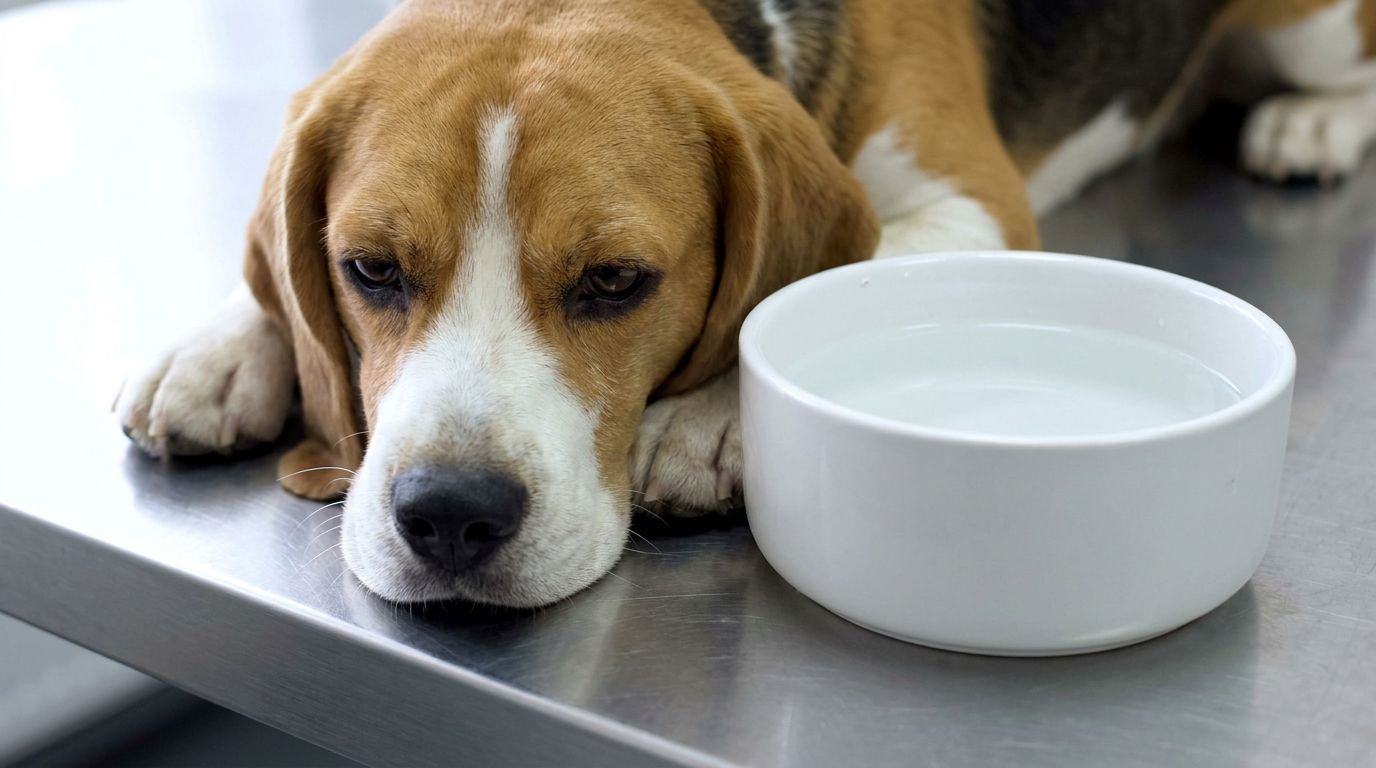
Addressing these distressing issues promptly ensures your companion receives targeted pain relief and immediate stabilization. By intervening before a stable condition spirals out of control, you protect your pet from unnecessary suffering and avoid the need for more invasive, expensive treatments later on. Urgent care functions as a vital safety valve for pet parents, offering a rapid path to comfort during regular operating hours without the logistical chaos of a major trauma center.
The True Health Anchor: Preventing Crises Through Strategic Primary Medical Defense
While emergency rooms and urgent care clinics are vital during a crisis, a trusted general veterinary practice serves as the essential baseline anchor for your pet’s lifelong health. A common misconception among pet parents is that a veterinary clinic is only relevant when an animal is visibly broken, limping, or crying out in pain. In reality, the most effective medical defense is proactive prevention. Your general veterinarian manages long-term health tracking, mapping subtle internal changes that are completely invisible to the untrained eye during daily interactions.
Routine evaluations, consistent diagnostic baselines, and early disease screenings form a protective shield around your pet. During a standard general exam, a practitioner checks for underlying problems like early-stage kidney disease, silent dental infections, or slow-moving joint degeneration. Identifying these issues before they cause outward symptoms allows for gentle, lifestyle-based adjustments and strategic management plans. This consistent oversight actively prevents minor baseline fluctuations from escalating into sudden, terrifying medical emergencies that force you into an emergency room late at night.

Furthermore, a primary care veterinarian develops a deep familiarity with your pet’s specific behavioral baselines, medical history, and genetic predispositions. This ongoing relationship makes it much easier to detect subtle deviations in weight, heart sounds, or blood chemistry trends over time. When an animal has a dedicated general practice backing their care, their vaccinations stay updated, their parasite protection remains continuous, and their structural health is preserved through professional dental and nutritional management, ensuring their golden years remain active and comfortable.
Comprehensive Clinical Architecture: Elevating Pet Safety on SW Nimbus Ave
Nimbus Pet Hospital provides a modern facility specifically built to bridge the gap between day-to-day preventative care and rapid urgent medical defense. Located conveniently on SW Nimbus Ave, our clinic combines advanced medical technology with deeply compassionate medicine to handle complex health challenges under one roof. We structure our daily schedule to accommodate same-day urgent care needs, ensuring that local families can access fast, reliable medical support when an unexpected health issue disrupts their routine.
Our comprehensive clinical layout features advanced diagnostic imaging systems and an in-house laboratory suite that allows our team to retrieve critical test results within minutes. If your companion experiences sudden abdominal pain or swallows a foreign object, we do not need to send you to a distant testing facility across town. We can capture high-definition digital radiographs and analyze complete blood chemistry panels immediately. This rapid diagnostic turnaround allows our team to begin targeted therapies or pain management protocols right away, significantly reducing your pet’s stress and discomfort.
Our medical capabilities extend through every phase of your pet’s life, providing seamless transitions from routine protection to advanced intervention. Our services include:
- Comprehensive Wellness Exams to map structural and metabolic baselines.
- Advanced soft-tissue Surgery capabilities for urgent laceration repairs or foreign body removals.
- Specialized Dental Care to address painful, hidden oral infections and prevent systemic organ damage.
- Tailored Vaccinations to build strong immune defenses against regional environmental pathogens.
By maintaining this advanced medical framework, we ensure that your pet receives seamless care whether they need a routine annual update or a rapid, same-day surgical repair. Our modern environment is designed to minimize the anxiety associated with veterinary visits, providing a calm, supportive atmosphere where animals feel safe and pet owners receive clear, transparent information regarding their pet’s health choices.
The Local Independent Dynamic: Why Community-Owned Advocacy Shields Your Pet Better Than Corporate Metrics
The ownership structure of your animal hospital directly influences the style of medical care, communication, and pricing transparency you experience during a stressful health scare. Over the past several years, corporate consolidation has altered the veterinary field, with massive national chains purchasing many neighborhood practices. These corporate facilities frequently answer to remote financial managers and out-of-state shareholders, leading to rigid operation scripts, standardized care packages, and strict sales quotas. In an urgent situation, corporate systems often favor routing patients directly to their own high-priced emergency trauma networks to meet corporate financial milestones.
Nimbus Pet Hospital operates on a fundamentally different foundation. As a proudly independent, community-owned practice serving the Tigard and Beaverton areas, our team answers exclusively to our clients and the animals we treat. Led by the trusted veterinary care of Dr. Jaina and Dr. Hadi, our hospital focuses entirely on personalized medicine tailored specifically to your companion’s actual needs and your family budget. We do not use remote management algorithms or pre-packaged care scripts.
Our independent status allows us to provide honest, fair, and transparent pricing across all of our services. We believe that accessing rapid urgent care or preventative protection should never be complicated by high-pressure sales tactics. We treat our clients like neighbors and our patients like members of our own family, ensuring that your pet’s actual quality of life always remains the sole factor driving our medical recommendations. Choosing our local, dedicated team means securing an authentic medical advocate who stands by your side through every stage of your animal’s life.
The Washington County Triage Reference: Pressing Critical Care Questions Answered by Local Practitioners
How can a Tigard family determine if an unexpected pet illness during Saturday business hours should come to SW Nimbus Ave or head to a 24-hour trauma center?
Determining the correct destination during weekend hours depends entirely on the stability of your pet’s breathing, gum color, and neurological responsiveness. If your pet experiences a sudden bout of diarrhea, a superficial cut, or mild lameness but remains fully conscious, alert, and breathes with a relaxed chest, our team on SW Nimbus Ave can safely manage their needs through our same-day urgent care scheduling. However, if your pet is completely unresponsive, struggles to draw breath, experiences active seizures, or shows pale white gums, they require immediate life-support stabilization that only a twenty-four-hour emergency trauma center can provide.
What precise diagnostic systems are available at a local independent facility to rapidly assess internal pet issues without sending owners across town?
Our independent facility is equipped with an in-house laboratory suite and advanced digital radiography systems designed to deliver rapid internal health data. We can process complete blood counts, blood chemistry profiles, and urinalysis tests on-site within minutes of your arrival, providing immediate insight into your pet’s organ function. Additionally, our digital X-ray technology allows our veterinarians to visualize internal organs, identify fluid accumulations, and spot swallowed foreign objects instantly, allowing us to initiate accurate medical or surgical treatments right here in our office.
Why does establishing ongoing preventative wellness care with a community-owned clinic reduce the risk of facing a midnight emergency crisis?
Maintaining consistent preventative checkups with our local team allows us to discover and manage chronic, slow-moving health changes before they develop into acute medical failures. Issues like early-stage kidney decline, heart murmurs, or rising blood pressure can exist silently for months without causing outward behavioral shifts. By identifying these markers early through routine blood work and physical exams, we can implement lifestyle modifications, dietary changes, and proactive therapies that stabilize your pet’s health, significantly lowering the likelihood of a sudden midnight collapse.
How does the medical staff at your local hospital handle immediate triage and pain management during standard weekday operational hours?
When an urgent case arrives at our facility during standard business hours, our medical staff performs an immediate triage assessment to verify the animal’s physical stability. If the pet is in pain or suffering from an acute issue like a severe laceration or gastrointestinal distress, we prioritize their comfort by administering fast-acting, veterinarian-approved pain medications or anti-nausea treatments. Once the pet’s discomfort is managed and they are physically stable, our team proceeds with the necessary diagnostic tests and definitive treatments, keeping you informed at every step of the process.
Securing Your Pet’s Health Baseline Before the Next Medical Question Arises
When a sudden pet health change or an unexpected injury disrupts your routine, having an established relationship with a trusted local veterinarian changes the entire experience, transforming a chaotic crisis into a structured path toward recovery. Combining proactive preventative wellness with rapid, honest local urgent care is the single most effective way to safeguard your companion’s physical longevity while protecting your family resources from unpredictable financial strains. You do not have to leave your pet’s health to guesswork or wait out concerning symptoms in silent worry. The dedicated medical team at Nimbus Pet Hospital is ready to serve as your primary defense network, offering the advanced technology, surgical excellence, and neighborly compassion your pet deserves. Reach out to our Tigard office right away to address your current pet health concerns or establish a secure wellness baseline for your favorite four-legged family member. Pick up your phone and call or text our staff at (971) 300-0613 today, or visit our SW Nimbus Ave facility to secure a comprehensive wellness consultation and build a reliable safety net for your pet’s future.