
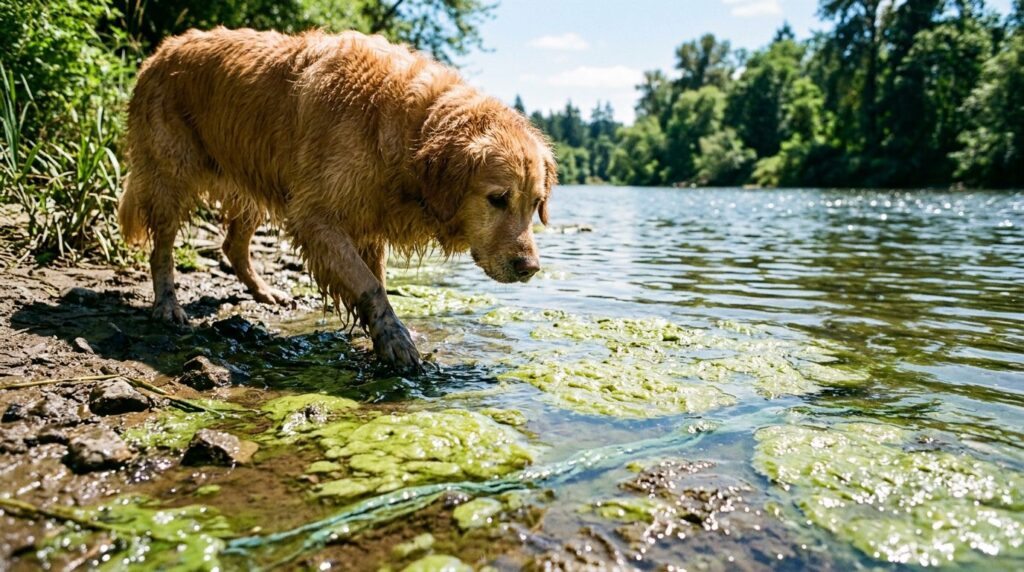
The Hidden Summer Threat: Protecting Local Pups from Riverbank Hazards
Summer weather in the Pacific Northwest naturally draws outdoor enthusiasts and their pets toward the water. Across the Tigard and Beaverton communities, dog families look forward to sunny afternoons spent along the local riverbanks. Popular spots like Cook Park, Tualatin Community Park, and various quiet bends along the Tualatin River see a steady stream of canine visitors splashing in the shallows. While these recreational areas provide excellent relief from the summer heat, they also harbor a swift and silent biological hazard during the warmer months of the year.
As summer progresses, regional water conditions undergo a significant transformation. Dropping water levels, minimal currents, and elevated temperatures combine with agricultural and urban stormwater runoff to create a perfect environment for cyanobacteria. Commonly known as blue-green algae, these organisms can multiply rapidly under the right conditions, forming dense, harmful blooms. The Tualatin River is particularly prone to these seasonal stagnation points, turning peaceful swimming holes into highly hazardous zones for local pets.
Table of Contents
- Spotting the Poison: Deciphering Cyanobacteria Blooms in Washington County Waterways
- The Canine Exposure Pathway: Why Our Pets Face Extreme Vulnerability on the Water
- Recognizing Toxic Shock: Rapid Symptoms That Demand Immediate Clinical Intervention
- Strategic Defenses on SW Nimbus Ave: Complete Medical Services to Support Lifelong Vitality
- The Premier High-Country Standard: Why Our Tigard Veterinary Team is the Safest Choice
- The Washington County Environmental Reference: Pressing Queries Answered by Local Practitioners
- Claim Your Pet’s Safety Blueprint Before the Warm Season Hazards Begin
A primary concern for dog owners is the extreme speed at which cyanotoxins impact canine biology. Exposure to these microscopic poisons can turn fatal within a matter of minutes to a few hours, leaving virtually no room for hesitation. This rapid progression means that waiting for official government warning signs to be posted along the riverbank can sometimes be a costly mistake. Developing a deep, proactive awareness of local water conditions is a non-negotiable aspect of safe pet guardianship for anyone exploring the natural areas of Washington County.
Spotting the Poison: Deciphering Cyanobacteria Blooms in Washington County Waterways
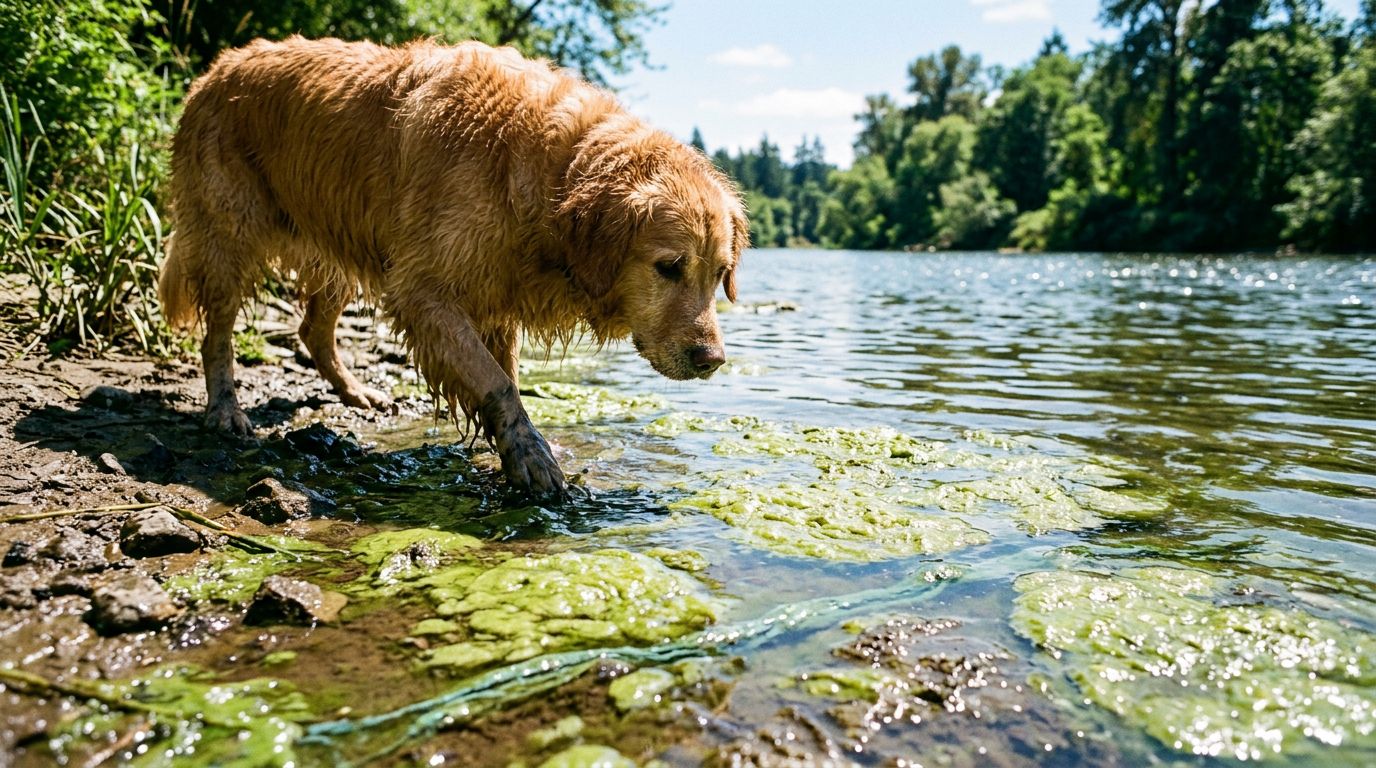
A common misconception among pet parents is that a toxic water source will always look clearly polluted or covered in a bright green scum. In reality, harmful cyanobacteria can manifest in several different physical forms, some of which are easily missed during a casual glance. Blooms do not always present as a highly visible neon film floating on the surface of the channel. Benthic toxic algae species can grow as thick, slippery mats securely attached to rocks, logs, and riverbeds deep below the surface.
These underwater mats can release high concentrations of deadly toxins directly into the water column while the main body of the river appears perfectly clear and inviting. As the river current shifts or water levels recede, sections of these benthic mats can tear away from the bottom, floating into shallow pools near the shore where dogs prefer to wade. These dislodged clumps often gather in slow-moving eddies, creating a concentrated hazard in the exact locations where pets are most likely to explore.
Protecting a pet requires scanning the immediate environment for distinct visual indicators of a bloom before allowing any water contact. Toxic algae can look like pea-green paint scum, oily surface streaks that shimmer under the sun, or thick, blue-green parallel lines accumulating near the mud. The water might also take on a distinctly muddy, reddish-brown, or yellowish hue. A strong, foul odor resembling rotting organic matter or swamp gas frequently accompanies these bacterial accumulations, serving as an immediate warning to pack up and find a safer trail.
The Canine Exposure Pathway: Why Our Pets Face Extreme Vulnerability on the Water
Dogs face a much higher risk of algae poisoning than human swimmers due to their natural behaviors and physical instincts. While a human might swim in the river and wash off afterward, a dog interacts with the water through a variety of high-risk activities. The primary path for toxin ingestion occurs long after an animal has stepped away from the riverbank, transforming a seemingly safe wade into a delayed medical crisis.
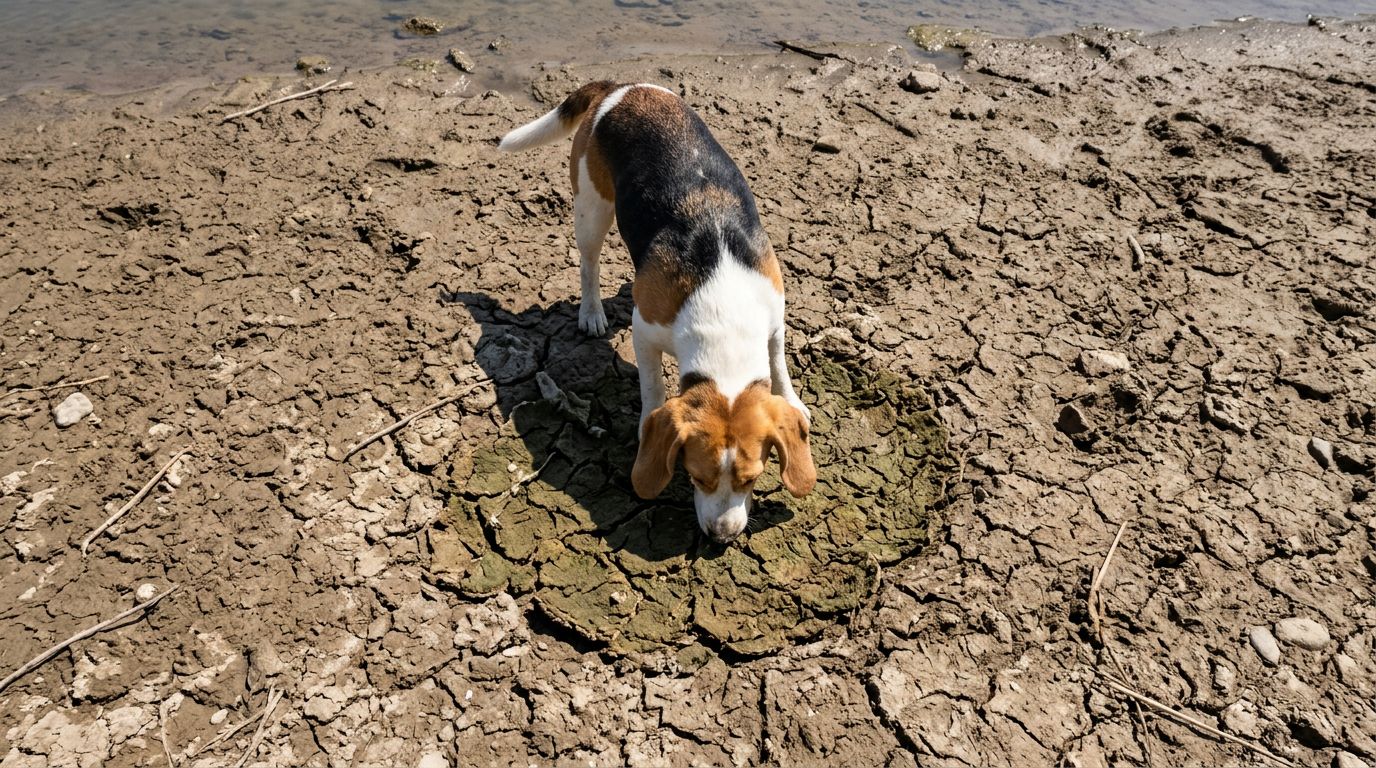
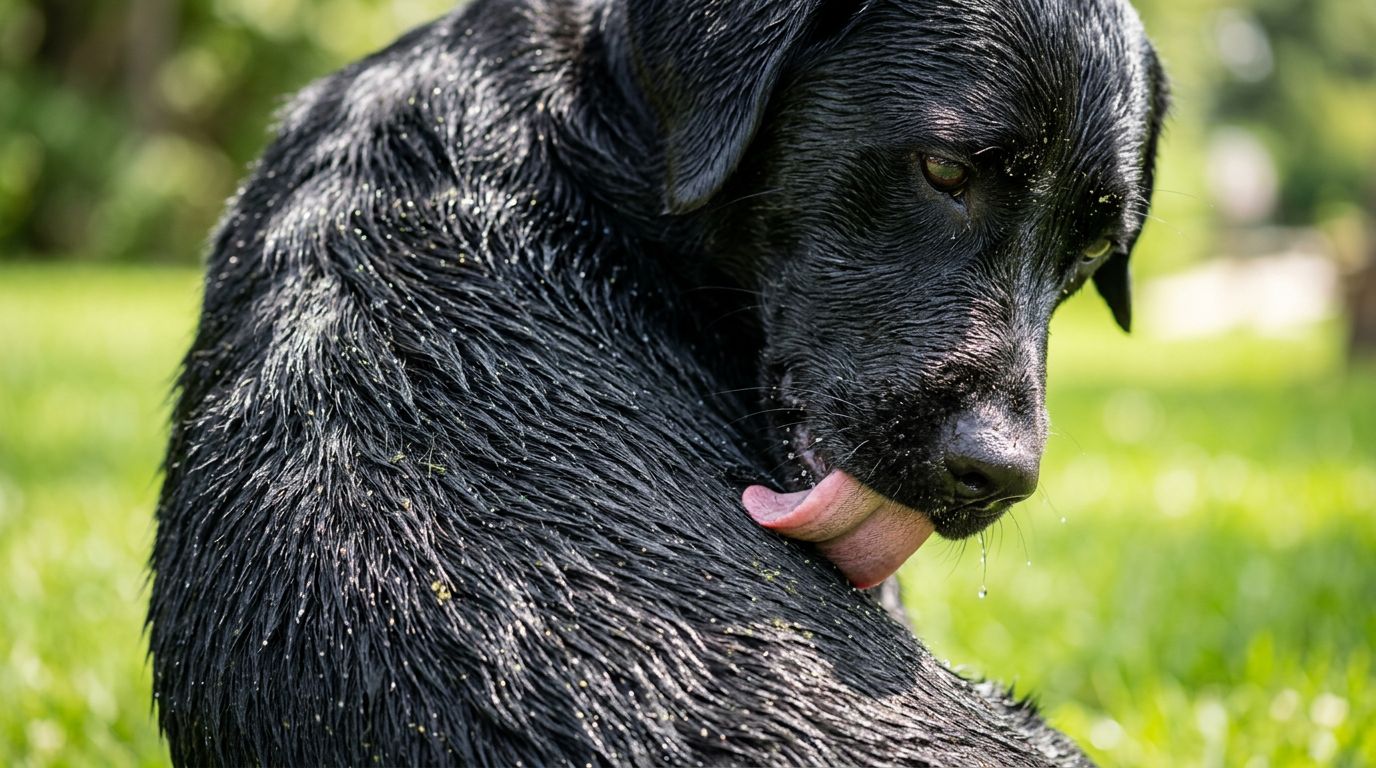
When a dog swims or retrieves a floating ball from an impacted waterway, their fur traps water, micro-particles, and dislodged pieces of toxic mats. Once back on dry land, the animal’s natural grooming instinct takes over immediately. As the pet licks their damp coat to dry off, they ingest a highly concentrated, lethal dose of cyanotoxins directly into their digestive system. Curious hunting and scavenging breeds face an additional layer of danger, as they are naturally drawn to investigate and eat the dried, crunchy algal crusts that collect along muddy shores when water levels drop.
- Drinking from stagnant pools, backwater eddies, or shallow rock depressions along the river’s edge. These isolated pockets trap toxins and reach much higher temperatures than the main moving channel.
- Grooming behavior and frantic fur-licking immediately following an outdoor swim or wade. This behavior quickly transfers trapped surface toxins from the hair coat directly into the bloodstream through the stomach.
- Ingesting dried or floating organic mats that naturally attract curious scavengers and hunting breeds. The intense odor of decaying organic material draws dogs to investigate and consume hazardous crusts.
A critical point for outdoor enthusiasts to understand is that traditional wilderness water treatment methods are completely ineffective against cyanotoxins. Standard camping purifiers, charcoal filters, and boiling techniques are designed to neutralize living pathogens like Giardia or bacteria. Cyanotoxins, however, are stable chemical compounds that are highly resistant to heat and basic filtration. Boiling contaminated river water actually breaks open the cyanobacteria cells, releasing a massive wave of internal toxins into the liquid and making it significantly more dangerous.
Recognizing Toxic Shock: Rapid Symptoms That Demand Immediate Clinical Intervention
The speed at which cyanotoxins enter a dog’s bloodstream requires owners to monitor their pets closely for immediate physiological changes following any outdoor excursion. Different strains of blue-green algae produce distinct types of poisons, primarily targeting either the central nervous system or liver function. Both pathways cause rapid physical decline, and symptoms can appear within fifteen minutes to a few hours after exposure.
Anatoxins are potent neurotoxins that disrupt the normal communication between nerves and muscles. When a dog ingests this specific strain, the early physical signs include excessive drooling, foaming at the mouth, and sudden vomiting. As the poison spreads through the nervous system, the animal will develop visible muscle tremors, muscle rigidity, and a distinctly unstable, staggering gait. This neurological decline can progress rapidly to total paralysis and generalized seizures, culminating in respiratory failure as the muscles controlling the lungs stop functioning.
Microcystins, on the other hand, target liver cells, causing severe internal bleeding and acute hepatic failure. A dog suffering from liver toxicosis may show signs of extreme lethargy, severe abdominal pain, and dark, bloody diarrhea. Because the liver processes vital clotting factors, advanced toxicity causes pale or yellowish gums, hidden internal bleeding, and sudden collapse. Treating either form of toxic shock leaves zero margin for error or home monitoring. Owners must view these symptoms as a critical, life-threatening emergency that demands immediate stabilization at a fully equipped veterinary hospital.
Strategic Defenses on SW Nimbus Ave: Complete Medical Services to Support Lifelong Vitality
Managing the complex environmental risks facing Pacific Northwest pets requires a comprehensive approach to preventative and urgent medical care. Nimbus Pet Hospital provides a modern, technologically advanced facility designed to handle both sudden toxicological crises and routine preventative wellness. By establishing a consistent medical baseline for your dog, you build an internal shield that helps support their long-term health and resilience.
Our comprehensive wellness examinations serve as the foundation for checking your pet’s organ function and baseline health markers. During these regular checkups, our medical team can track vital signs and run advanced internal health screens to ensure your pet’s metabolic systems are performing optimally. A dog with strong liver and kidney function is naturally better equipped to manage environmental stressors, giving you a vital head start if an accidental exposure ever occurs.
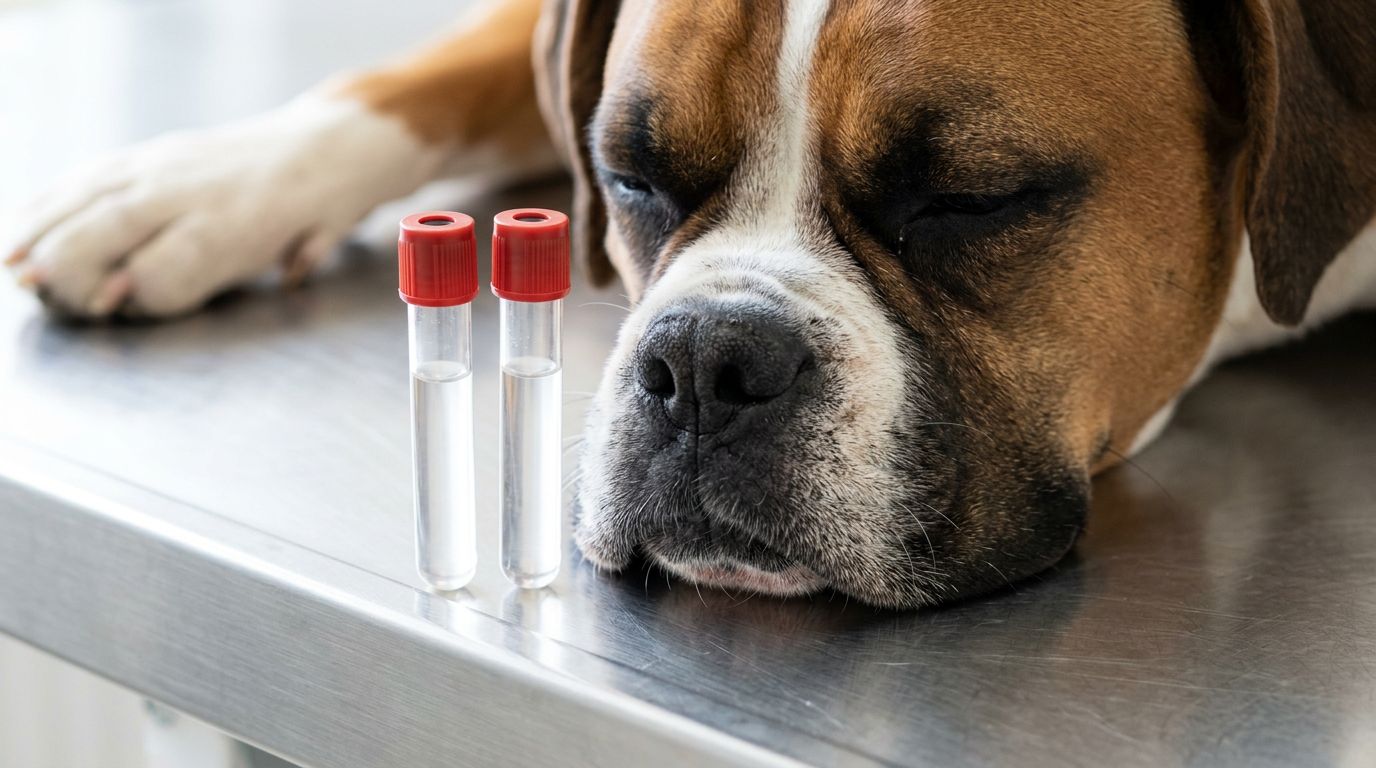
Our hospital features an advanced on-site diagnostic laboratory and digital imaging suite, allowing us to evaluate critical health parameters within minutes of your arrival. If a pet presents with signs of environmental poisoning or toxin ingestion, our team can quickly assess liver enzymes, analyze blood chemistry panels, and monitor hydration markers to begin aggressive emergency therapy. We maintain fully prepared soft-tissue surgery suites and advanced fluid therapy setups, ensuring that if an animal requires immediate medical decontamination or internal stabilization, our team can deliver life-saving care without dangerous delays.
We also focus heavily on keeping your pet’s immune system fully updated against other waterborne hazards common to Washington County waterways. During your annual visit, we evaluate your dog’s lifestyle to recommend essential lifestyle vaccines, such as protection against Leptospirosis. This bacterial disease thrives in local slow-moving rivers and standing water, posing a serious threat to both pets and humans. Combining robust vaccination protocols with regular dental care and diagnostic tracking creates a complete loop of preventative defense, allowing your companion to enjoy the great outdoors safely.
The Premier High-Country Standard: Why Our Tigard Veterinary Team is the Safest Choice
The modern veterinary world is increasingly dominated by large, national corporate chains that rely on standardized, rigid protocols and volume-driven business models. In these corporate environments, it can be easy for a pet’s unique lifestyle, specific regional risks, and individual family needs to be overlooked in favor of corporate sales milestones. Nimbus Pet Hospital stands apart as a proudly independent, relationship-focused practice serving the local Tigard and Beaverton communities.
Our modern facility is conveniently located near the Washington Square area, making high-tier medical support easily accessible for local families. Because we operate as an independent hospital, our experienced veterinarians have the freedom to practice personalized medicine. We take the time to learn your pet’s outdoor routines, discuss the exact trails you frequent, and build custom care plans that fit your lifestyle and your budget perfectly. We view ourselves as your dedicated local partner, matching compassionate, neighborly communication with advanced clinical technology.
Our team remains deeply attuned to the specific environmental realities of the Pacific Northwest. We track local water quality updates, understand regional parasite patterns, and know how to help owners prepare for seasonal hazards like toxic algae blooms. When you choose our team as your primary veterinary care provider, you gain a trusted medical advocate who prioritizes your pet’s long-term comfort and quality of life above all else, ensuring your family receives honest, reliable guidance through every stage of your pet’s journey.
The Washington County Environmental Reference: Pressing Queries Answered by Local Practitioners
What immediate decontamination protocols should a Tigard dog owner perform if they suspect accidental contact with Tualatin River algae before driving to your Nimbus Ave hospital?
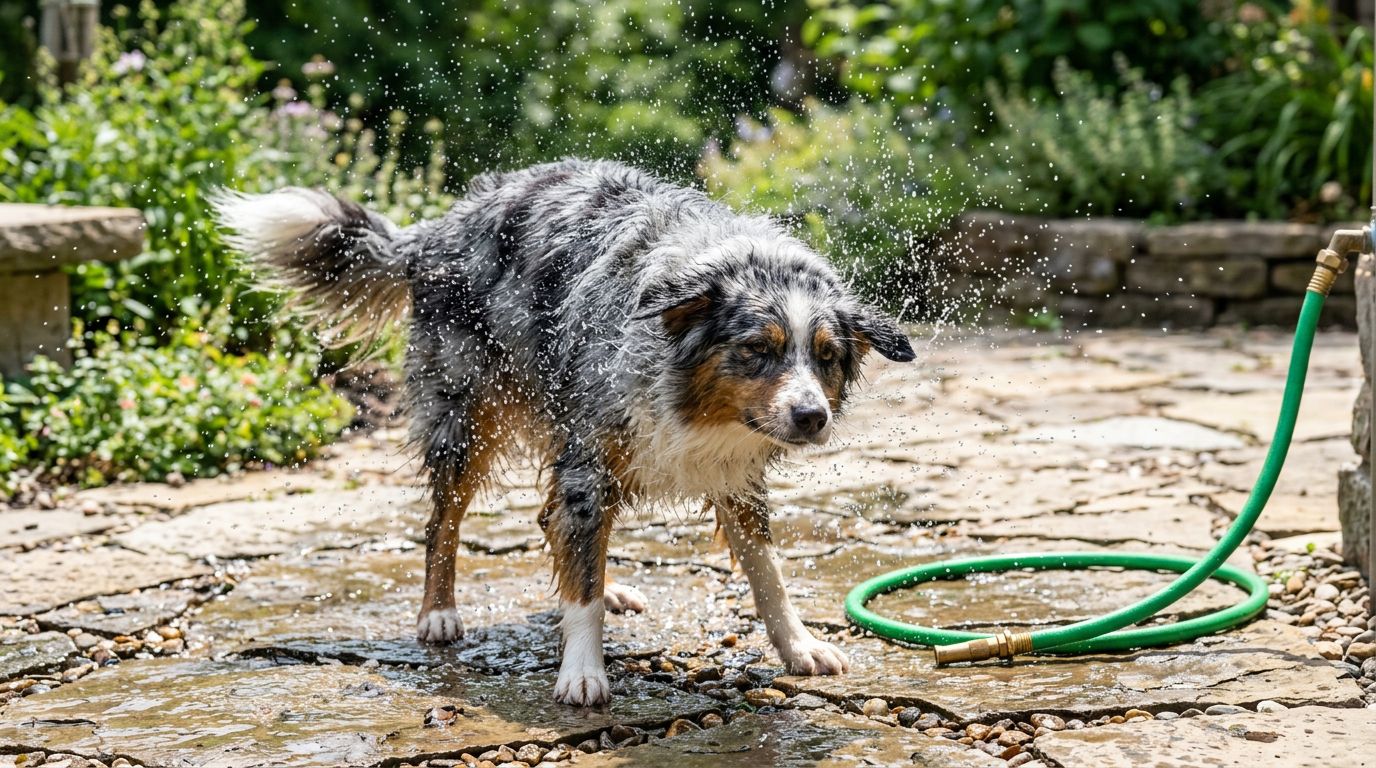
If your pet makes physical contact with suspicious water or algae mats, you must immediately prevent them from grooming or licking their fur. Use a clean water source, such as a garden hose or a bottle of fresh drinking water, to thoroughly rinse their coat, eyes, and paws, removing as much organic debris as possible. Wear protective gloves to shield your own skin from the toxins, and avoid using harsh scrubbing motions that can force particles deeper into the coat. Once the initial rinse is complete, wrap your pet in a clean towel and transport them directly to our facility for immediate medical evaluation.
How does the clinical team at Nimbus Pet Hospital monitor internal liver and kidney function following exposure to seasonal outdoor toxic elements?
Our advanced on-site laboratory allows us to run comprehensive blood chemistry panels and liver enzyme profiles within minutes of your pet’s arrival. We track specific biomarkers, such as alanine aminotransferase and total bilirubin levels, to check for early indicators of liver cell damage or internal bleeding caused by microcystins. By performing these precise blood screens sequentially over the first twenty-four to forty-eight hours post-exposure, our veterinarians can monitor organ health changes in real time, adjusting our intensive fluid therapies and supportive medications to protect your dog’s internal systems.
Can a routine preventative wellness checkup help evaluate an active dog’s resilience against local environmental hazards and regional parasites?
Regular preventative checkups allow our medical team to establish a clear baseline of your dog’s organ health, immune strength, and physical condition. During these visits, we run routine screenings to verify that your pet’s liver and kidneys are fully healthy, which is essential for processing any accidental toxic exposure. We also use these examinations to audit your pet’s lifestyle vaccinations and ensure they are utilizing effective, year-round preventatives against regional ticks, fleas, and waterborne parasites, maximizing their natural defenses before they ever step onto a trail.
Why is choosing an independent, centrally located animal hospital in the Tigard-Beaverton corridor more reliable for ongoing family pet care than using unpredictable corporate chains?
An independent, centrally located hospital provides consistency of care and deep familiarity with local environmental conditions. Unlike large corporate chains that experience frequent staff rotations and rely on rigid corporate treatment models, our independent team builds real, multi-generational relationships with local families. We maintain your pet’s complete history in our permanent database, allowing the same trusted veterinarians to monitor your pet’s health over time. This consistent partnership ensures that when an urgent concern or an environmental risk arises, you receive fast, highly personalized medical guidance from a team that genuinely knows your pet.
Claim Your Pet’s Safety Blueprint Before the Warm Season Hazards Begin
The natural beauty of the Tualatin River corridor makes it an incredible asset for local pet families, but the seasonal reality of toxic blue-green algae demands constant vigilance. A single accidental swim in a quiet river bend or a brief investigation of a dried algal mat can quickly transform a relaxing afternoon into a critical medical crisis. Protecting your favorite four-legged adventurer requires combining smart outdoor awareness with an expert, reliable veterinary partner who can guide your family through every seasonal risk. Do not leave your pet’s outdoor health to chance or wait for an unexpected emergency to look for reliable support. Contact the dedicated team at Nimbus Pet Hospital by calling or texting (971) 300-0613 right away, or stop by our office on SW Nimbus Ave to secure a comprehensive wellness evaluation and establish a reliable safety net for your pet today.