Drug-Free Pain & Inflammation Relief
Drug-Free Pain & Inflammation Relief for Your Pet
Veterinary Laser Therapy at Nimbus Pet Hospital · Tigard, OR
If your dog or cat is coping with pain, stiffness, a slow-healing wound, or a nagging chronic condition, veterinary laser therapy may offer gentle, soothing relief, with no pills, no needles, and no sedation. At Nimbus Pet Hospital, we use a Companion® therapeutic laser to help reduce pain and inflammation, improve mobility, and support your pet’s own natural healing process.
Because it is completely non-invasive and medication-free, laser therapy is one of the most comfortable treatment options we can offer, and most pets simply relax during their session.
How Veterinary Laser Therapy Works
Veterinary laser therapy, also known as photobiomodulation or Class IV therapeutic laser therapy, delivers focused wavelengths of light through your pet’s skin and into the tissue underneath. The cells absorb this light energy, which helps to:
- Increase blood flow and circulation to the treated area
- Reduce inflammation and swelling
- Ease pain by encouraging the release of the body’s natural pain relievers
- Speed up tissue repair and cellular healing
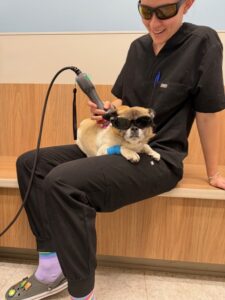
The treatment itself is painless. Your pet feels nothing more than a gentle, soothing warmth from the hand-held device, and many dogs and cats become so relaxed they doze off. No fur needs to be shaved, and no anesthesia is required.
A non-invasive, medication-free option. Because laser therapy doesn’t rely on drugs, it can be a helpful choice for pets who don’t tolerate certain medications well, seniors managing multiple health issues, or families who prefer to limit their pet’s medication when possible. Depending on the condition, it may be used on its own or alongside your veterinarian’s broader treatment plan. Laser therapy is not a guaranteed replacement for prescribed medication. Your Nimbus veterinarian will recommend the right combination of care for your individual pet.
See Laser Therapy in Action
Watch a short overview of how veterinary laser therapy helps pets feel better, faster.
Conditions Veterinary Laser Therapy May Help
Laser therapy is remarkably versatile and can support many of the most common reasons dogs and cats visit the vet. Tap any category below to learn more about the conditions it may help and what benefits you might expect for your pet.
Post-Surgical Recovery & Wound Healing
Laser therapy is often used after surgery or injury to help your pet heal more comfortably. By reducing inflammation and stimulating tissue repair, it may support recovery from spay/neuter procedures, incisions, fracture repair, orthopedic and cruciate (ACL) surgery, abscesses, and everyday cuts and wounds.
What owners may notice: less swelling and bruising around the site, reduced post-operative discomfort, and a healing process that keeps your pet more relaxed during recovery.
Musculoskeletal Disorders
This is one of the most popular uses of laser therapy, especially for aging pets. It may help with osteoarthritis and degenerative joint disease, hip and elbow dysplasia, cruciate ligament injuries, muscle sprains and strains, tendon and ligament injuries, and general back and joint pain.
What owners may notice: eased joint stiffness, improved mobility and willingness to move, and a more comfortable, active pet. This is particularly helpful for seniors living with chronic arthritis.
Thoracic Disorders
Laser therapy may be used as part of a broader treatment plan for certain conditions of the chest and upper respiratory system, such as rhinitis, sinusitis, and bronchitis, by helping to calm inflammation in the affected tissues.
What owners may notice: added comfort and support alongside your veterinarian’s primary treatment. Your Nimbus veterinarian will determine whether laser therapy is appropriate for your pet’s specific respiratory condition.
Neurological Disorders
For conditions affecting the nerves and spine, including intervertebral disc disease (IVDD), degenerative myelopathy, nerve injuries, and general weakness or paresis, laser therapy may help reduce inflammation around affected nerves and support your pet’s comfort and rehabilitation.
What owners may notice: improved comfort and support for mobility, often as part of a rehabilitation or recovery plan designed by your veterinary team.
Dental Conditions
Laser therapy can be a comforting addition to dental care. It is commonly used to ease discomfort after dental cleanings and tooth extractions, and may help with inflammatory conditions of the mouth such as gingivitis and stomatitis.
What owners may notice: reduced oral inflammation and a more comfortable recovery, helping your pet get back to eating and feeling like themselves sooner.
Abdominal Disorders
As part of a comprehensive treatment plan, laser therapy may help calm inflammation associated with certain abdominal and digestive conditions, such as pancreatitis and inflammatory bowel disease (IBD).
What owners may notice: supportive relief of inflammation and discomfort. Abdominal conditions require veterinary diagnosis and management, and laser therapy is used to complement, not replace, that care.
Dermatologic (Skin) Disorders
Irritated, itchy, and inflamed skin often responds well to laser therapy. It may help with hot spots (pyotraumatic dermatitis), lick granulomas, ear infections (otitis), interdigital cysts, and a variety of wounds and skin infections.
What owners may notice: calmer, less inflamed skin, relief from irritation, and faster healing of troublesome spots and lesions.
Urinary Tract Disorders
Laser therapy may provide comfort for pets dealing with urinary conditions such as feline lower urinary tract disease (FLUTD), cystitis, and the discomfort associated with urinary obstruction, and it is sometimes used to support pets with chronic kidney disease.
What owners may notice: help easing inflammation and discomfort as part of your veterinarian’s treatment plan for these sensitive conditions.
Why Choose Nimbus Pet Hospital for Laser Therapy
Advanced, Veterinarian-Trusted Technology
We invested in a Companion® therapeutic laser (a trusted, veterinarian-preferred system) so we can offer your pet a proven, drug-free approach to pain relief and healing right here in our Tigard practice.
Gentle, Compassionate Care
We treat every patient like family. Laser therapy sessions are calm and comfortable, and our team takes the time to keep your pet relaxed and at ease from start to finish.
An Experienced Team You Can Trust
Our veterinarians will evaluate your pet’s specific needs and design a personalized laser therapy plan (used on its own or as part of a broader treatment strategy) to give them the best possible comfort and outcome.
What to Expect During a Session
Laser therapy is quick, easy, and completely comfortable for most pets. Here’s what a typical visit looks like:
- Short sessions: most treatments take just a few minutes, depending on the size of the area and the condition being treated.
- No prep required: there’s no need to shave fur or use sedation, so your pet stays awake and relaxed.
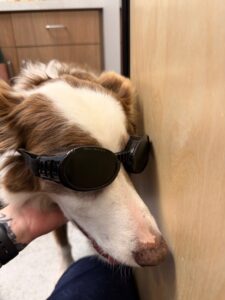
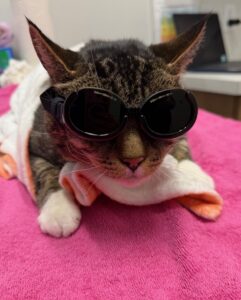
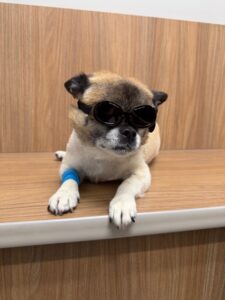
- Safe and soothing: your pet (and our team) wear protective eyewear during treatment, and most pets enjoy the gentle warmth.
- A personalized plan: acute issues may need only a few sessions, while chronic conditions like arthritis often benefit from an initial series followed by ongoing maintenance visits. Your veterinarian will recommend the right schedule.
Frequently Asked Questions
Does laser therapy hurt my pet?
No. Laser therapy is painless. Most pets feel only a gentle, soothing warmth and many become so relaxed they fall asleep during treatment.
How long does a treatment take?
Most sessions last just a few minutes, depending on the condition and the size of the area being treated. Because it’s so quick and comfortable, laser therapy fits easily into a regular visit.
How many sessions will my pet need?
It depends on your pet’s condition. Acute problems, like a wound or post-surgical recovery, may need only a few sessions. Chronic conditions such as arthritis often respond best to an initial series of treatments followed by maintenance visits. Your veterinarian will create a plan tailored to your pet.
Is laser therapy safe?
Yes. Laser therapy is non-invasive, drug-free, and has very few side effects. As a safety precaution, both your pet and our staff wear protective eyewear, and our veterinarians screen for the small number of situations where laser therapy isn’t recommended, such as directly over a known tumor or a pregnant pet’s abdomen.
What conditions is laser therapy commonly used for?
It’s used for a wide range of issues, including arthritis and joint pain, post-surgical recovery, wounds, skin and ear conditions, back and disc problems, dental discomfort, and more. Dogs and cats of all ages can benefit, and it’s especially popular for senior pets with chronic pain.
Will laser therapy replace my pet’s medication?
Not necessarily. For some pets, laser therapy may reduce the need for certain medications, while for others it works best alongside a broader treatment plan. It should be viewed as one tool in your pet’s care, not an automatic replacement for prescribed medication. Your veterinarian will recommend the best approach for your pet.
Partner with Nimbus Pet Hospital for Your Pet’s Comfort
If your pet is living with pain, recovering from surgery, or managing a chronic condition, veterinary laser therapy may be able to help them feel more like themselves. Our team is here to talk through whether it’s the right fit for your dog or cat.
Questions? Call us at (971) 300-0613. We proudly serve Tigard, Beaverton, and the surrounding communities.