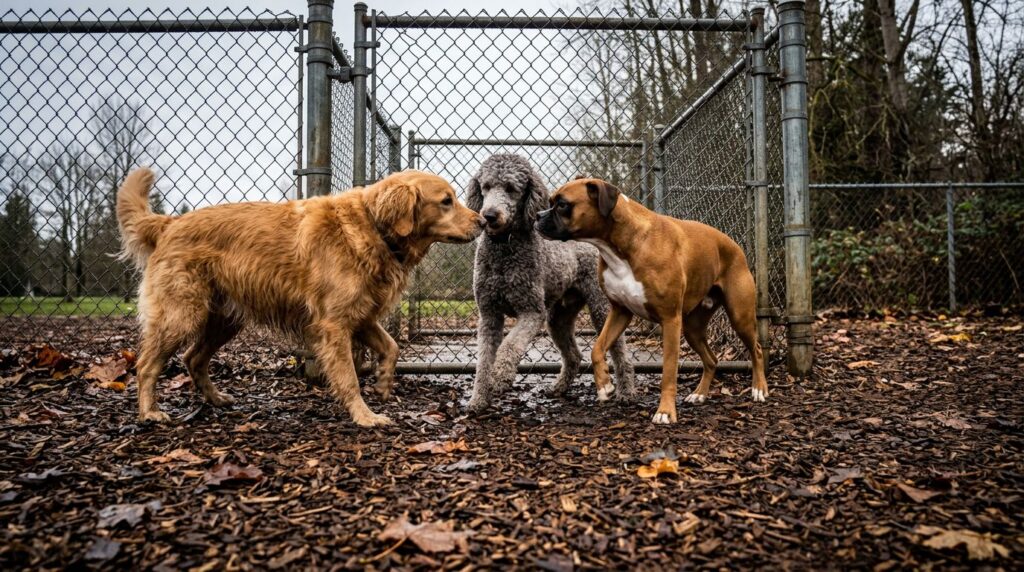
Running off-leash at Beaverton’s 20-acre Winkelman Park or navigating the fenced yards at Tigard’s Potso Dog Park provides dogs with essential physical exercise and social interaction. Throughout Washington County, these public spaces see heavy daily traffic from local pet owners. High pet density, however, creates a persistent environment for circulating pathogens. When dozens of dogs share the same turf, water sources, and fence lines every week, infectious diseases spread rapidly.
Maintaining your dog’s health while using public play areas requires understanding how viruses spread and taking concrete medical precautions. Socialization does not have to be traded for health risks. By pairing sensible field habits with updated immunizations, pet owners can keep off-leash park visits safe and productive.
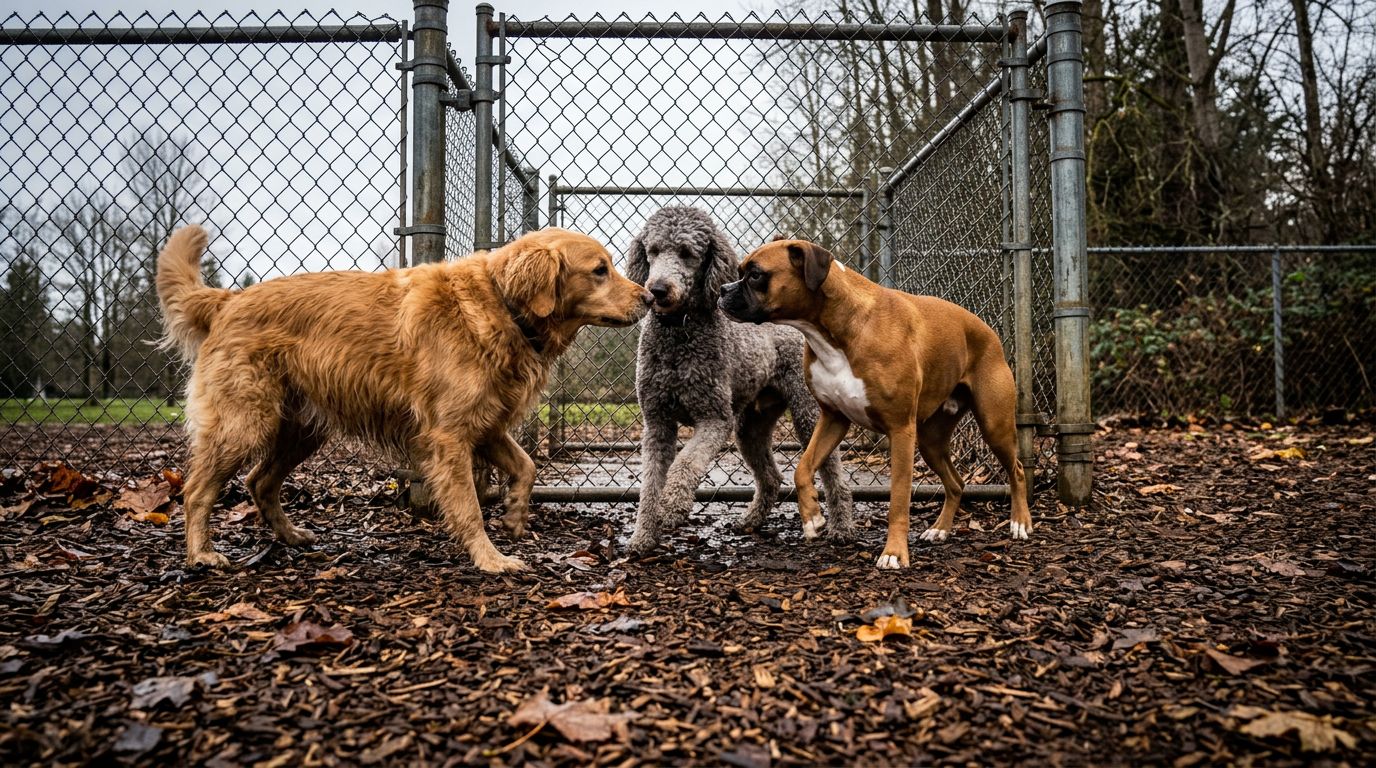
Table of Contents
- Distinguishing the Threats: Air-Borne Kennel Cough vs. Persistent Parvovirus
- High-Risk Vectors at Winkelman and Potso: Where Pathogens Lurk
- Defensive Park Habits: Tactical Steps for Smarter Outings
- Complete Preventative Care: How Nimbus Pet Hospital Shields Your Pup
- The Nimbus Advantage: Premier Veterinary Excellence in Tigard and Beaverton
- Clear Answers for Local Pet Parents: Navigating Park Safety and Vaccine Needs
- Safeguard Your Outdoor Adventures: Book Your Pet’s Visit at Nimbus Pet Hospital Today
Distinguishing the Threats: Air-Borne Kennel Cough vs. Persistent Parvovirus
Protecting a dog in high-traffic environments starts with recognizing the primary diseases found in shared outdoor spaces. Infectious Tracheobronchitis, commonly called Kennel Cough, and Canine Parvovirus represent two of the most frequent clinical concerns for dogs using local parks. These illnesses differ significantly in how they travel, how long they persist in the environment, and how severely they impact a dog’s body.
Kennel Cough (Bordetella bronchiseptica and Respiratory Viruses): Airborne droplets released during barking, panting, or nose-to-nose contact serve as the primary transmission route for this upper respiratory complex. Once inhaled, bacteria and viruses attach directly to the lining of the respiratory tract, triggering localized inflammation. Affected dogs typically develop a harsh, dry hacking cough that sounds similar to a goose honk. Additional clinical signs include clear nasal discharge, mild eye watering, sneezing, lethargy, and a reduced appetite. While healthy adult dogs often recover with supportive veterinary care, young puppies, senior dogs, and short-muzzled breeds face a higher risk of secondary bacterial pneumonia.
Canine Parvovirus (Parvo): Targeting the gastrointestinal tract and bone marrow, Parvovirus is a severe, highly contagious viral infection transmitted through direct or indirect contact with infected feces. Microscopic amounts of the virus can cling to soil, grass, shoes, and fur. Unlike fragile respiratory viruses, Parvovirus is extraordinarily resilient, surviving freezing temperatures, rainfall, and most household cleaners for months. Initial symptoms develop rapidly and include profound lethargy, severe fever, persistent vomiting, and dark or bloody diarrhea. Rapid fluid loss leads to life-threatening dehydration and systemic shock, making immediate veterinary intervention essential for survival.
High-Risk Vectors at Winkelman and Potso: Where Pathogens Lurk
Pacific Northwest weather patterns directly influence how long pathogens remain active in local parks. Extended damp conditions and cool temperatures across Tigard and Beaverton help viruses survive in outdoor environments. Along the perimeter fencing and tree lines at Potso Dog Park, muddy puddles frequently collect after rainstorms. Dogs lapping up this standing water ingest soil runoff that may contain shed viral particles or intestinal parasites. At Winkelman Park, the damp woodchip ground cover insulates microorganisms from direct sunlight, extending their survival in high-traffic entry zones.
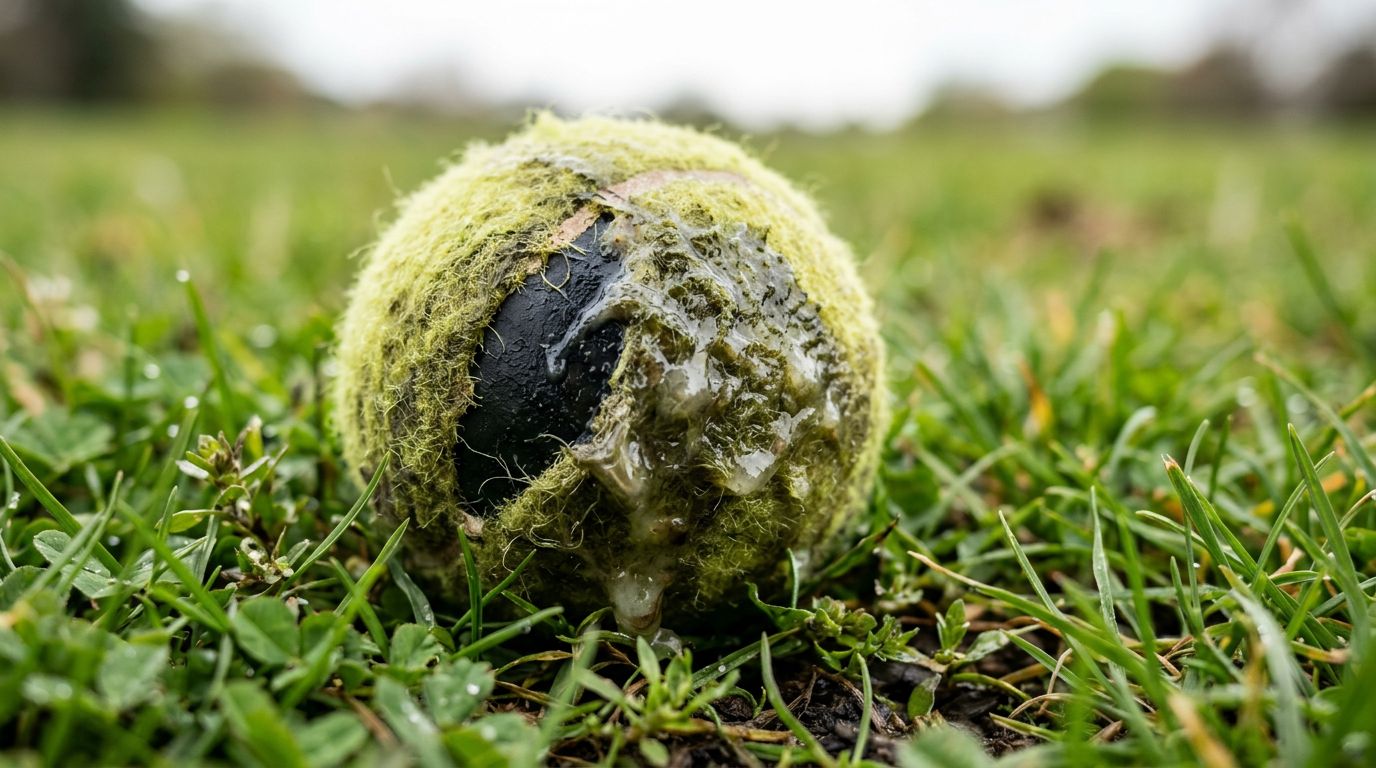
Shared equipment across both parks introduces additional exposure vectors. Communal water bowls located near entrance gates accumulate saliva from dozens of visiting dogs throughout the day, creating a direct vector for respiratory pathogens. Slobber-coated tennis balls left on the grass carry high concentrations of bacteria from mouth to mouth. Sniffing contaminated fence posts, sharing double-gated entryways, or rolling in shaded dirt patches exposes unvaccinated or under-vaccinated dogs to active pathogens long after an infected animal has left the area.
Physical exertion during play also increases susceptibility. Vigorous running and heavy panting dry out the protective mucus lining inside a dog’s nasal passages and trachea, allowing inhaled bacteria to settle into the tissue more easily. Identifying these specific environmental factors allows owners to adjust their habits and minimize risk during park outings.
Defensive Park Habits: Tactical Steps for Smarter Outings
Implementing straightforward precautions before and during park visits reduces the likelihood of contracting contagious illnesses. Simple changes to your outing routine establish a practical barrier against common pathogens without limiting exercise.
Key habits to adopt during off-leash outings include:
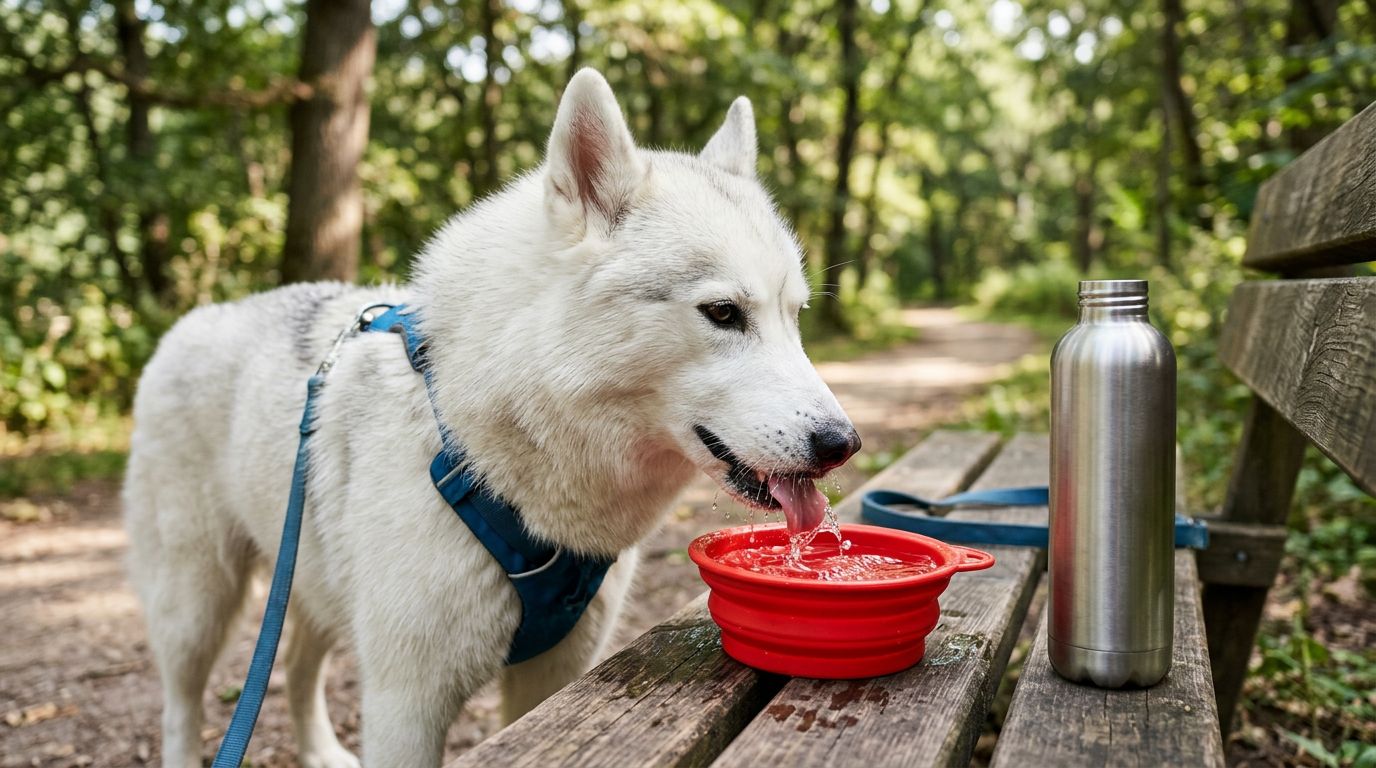
- Bring Personal Water Gear: Pack a collapsible bowl and clean tap water from home instead of letting your dog drink from communal troughs, shared bowls, or mud puddles.
- Avoid Gate Bottlenecks: Pause outside double-gated entryways until the area clears, preventing crowded, nose-to-nose interactions where disease transmission peaks.
- Skip Shared Toys: Discourage your dog from picking up abandoned tennis balls, sticks, or communal toys left around the park, bringing dedicated toys that stay in your possession when not in use.
- Enforce Age Limits for Puppies: Keep young dogs away from public parks until at least two weeks after they complete their full core vaccine series, typically around sixteen weeks of age.
- Clean Paws After Play: Wipe down paws, legs, and muzzles with pet-safe sanitary wipes before loading your dog into the car to remove lingering park soil.
- Watch for Sick Behavior: Leave the park immediately if another dog exhibits coughing, heavy nasal discharge, or visible lethargy.
- Visit During Off-Peak Hours: Schedule trips during early morning or mid-afternoon hours when foot traffic is lighter to reduce the total number of physical interactions.
Complete Preventative Care: How Nimbus Pet Hospital Shields Your Pup
While field habits reduce exposure, internal medical immunity remains your dog’s primary line of defense against severe disease. At Nimbus Pet Hospital, clinical services are structured to ensure local dogs maintain robust protection before entering public play areas. Tailoring medical care to your pet’s specific lifestyle ensures year-round protection.
Preventative services provided at our clinic include:
- Core and Non-Core Vaccinations: Administering foundational DHPP (Distemper, Hepatitis, Parvovirus, Parainfluenza) and Rabies vaccines alongside critical lifestyle immunizations, including Bordetella and Canine Influenza.
- Nose-to-Tail Wellness Examinations: Performing thorough physical audits to check joint health, heart function, lymph nodes, and respiratory clarity before pets engage in heavy exercise.
- In-House Diagnostic Testing: Utilizing rapid laboratory equipment, digital radiography, and fecal testing to identify hidden internal parasites or systemic health issues that could weaken immune performance.
- Dental and Surgical Services: Offering professional dental scaling beneath the gumline, soft-tissue surgical procedures, and routine spay/neuter operations supported by continuous vital sign monitoring and tailored anesthesia.
Updating vaccinations functions as an essential safeguard for your pet’s social life. Proper booster schedules stimulate antibody production, allowing a dog’s immune system to neutralize incoming viruses before clinical symptoms develop.
The Nimbus Advantage: Premier Veterinary Excellence in Tigard and Beaverton
Access to consistent, high-quality veterinary care simplifies long-term health management. Located at 10115 SW Nimbus Ave #200 in Tigard, Nimbus Pet Hospital provides comprehensive medical care to pet owners across Tigard, Beaverton, and surrounding Washington County communities. Advanced diagnostic tools, modern surgical suites, and an experienced medical team ensure pets receive thorough, compassionate attention during every visit.
Recognizing the demands of busy schedules, our facility operates seven days a week with extended weekend hours. Whether scheduling routine Saturday vaccine updates or seeking advice for a mild cough following a visit to Potso Dog Park, pet owners receive accessible, local care. Partnering with our clinic ensures your dog stays fully protected while exploring outdoor recreation across the Pacific Northwest.
Our clinical staff uses low-stress handling methods to keep nervous animals comfortable during exams. Establishing a long-term relationship with a local veterinary team ensures your dog’s medical history is tracked accurately through every stage of life, from energetic puppyhood into senior years.
Clear Answers for Local Pet Parents: Navigating Park Safety and Vaccine Needs
How far in advance of visiting Potso or Winkelman Dog Park should my dog receive their Bordetella and Parvovirus boosters at Nimbus Pet Hospital?
Immune responses take time to build effective antibody levels following a vaccination. Scheduling appointments at least seven to fourteen days before visiting off-leash parks or boarding facilities ensures optimal protection. This two-week window allows your dog’s body to develop full immunity against airborne respiratory bugs and persistent soil-borne viruses.
What immediate steps should I take if my dog shows a hacking cough or sudden fatigue after playing at a Beaverton dog park?
Isolate your dog immediately from other pets in your household to stop potential disease transmission. Restrict physical activity, keep them in a comfortable, quiet environment, and contact Nimbus Pet Hospital to schedule a diagnostic evaluation. Avoid visiting public parks, pet stores, or doggy daycares until a veterinarian evaluates their respiratory health and clears them for public interaction.
Are puppies allowed to play at off-leash parks in Tigard before completing their full vaccination series?
Exposing young puppies to public off-leash parks before completing their full vaccine series carries significant health risks. Immature immune systems leave puppies highly susceptible to severe Parvovirus strains lingering in outdoor soil. Waiting until two weeks after your puppy receives their final sixteen-week booster shots ensures their body has constructed sufficient antibody protection for public environments.
Can I schedule my pet’s annual wellness exam and routine vaccinations on a weekend at your SW Nimbus Ave location?
Weekend appointments are fully available at Nimbus Pet Hospital to accommodate busy work schedules. Our clinic operates on Saturdays from 8:00 AM to 3:00 PM and Sundays from 8:00 AM to 1:00 PM. Contact our reception team or book online to secure a weekend time slot for annual physical exams, booster shots, or diagnostic consultations.
Safeguard Your Outdoor Adventures: Book Your Pet’s Visit at Nimbus Pet Hospital Today
Off-leash exercise at local parks supports physical conditioning and mental health for dogs throughout Tigard and Beaverton. Protecting your dog from environmental hazards like Kennel Cough and Parvovirus requires combining practical field habits with up-to-date vaccinations. Taking proactive steps today ensures that future park visits remain safe and beneficial for your companion.
Contact the team at Nimbus Pet Hospital to update your pet’s immunizations or book a comprehensive physical exam. Visit our clinic at 10115 SW Nimbus Ave #200, Tigard, OR 97223, or call us directly at 971-300-0613 to confirm your appointment. Clinic hours are Monday through Friday from 8:00 AM to 5:00 PM, Saturday from 8:00 AM to 3:00 PM, and Sunday from 8:00 AM to 1:00 PM. Let our medical team help keep your dog active, healthy, and prepared for outdoor activity across Washington County.