
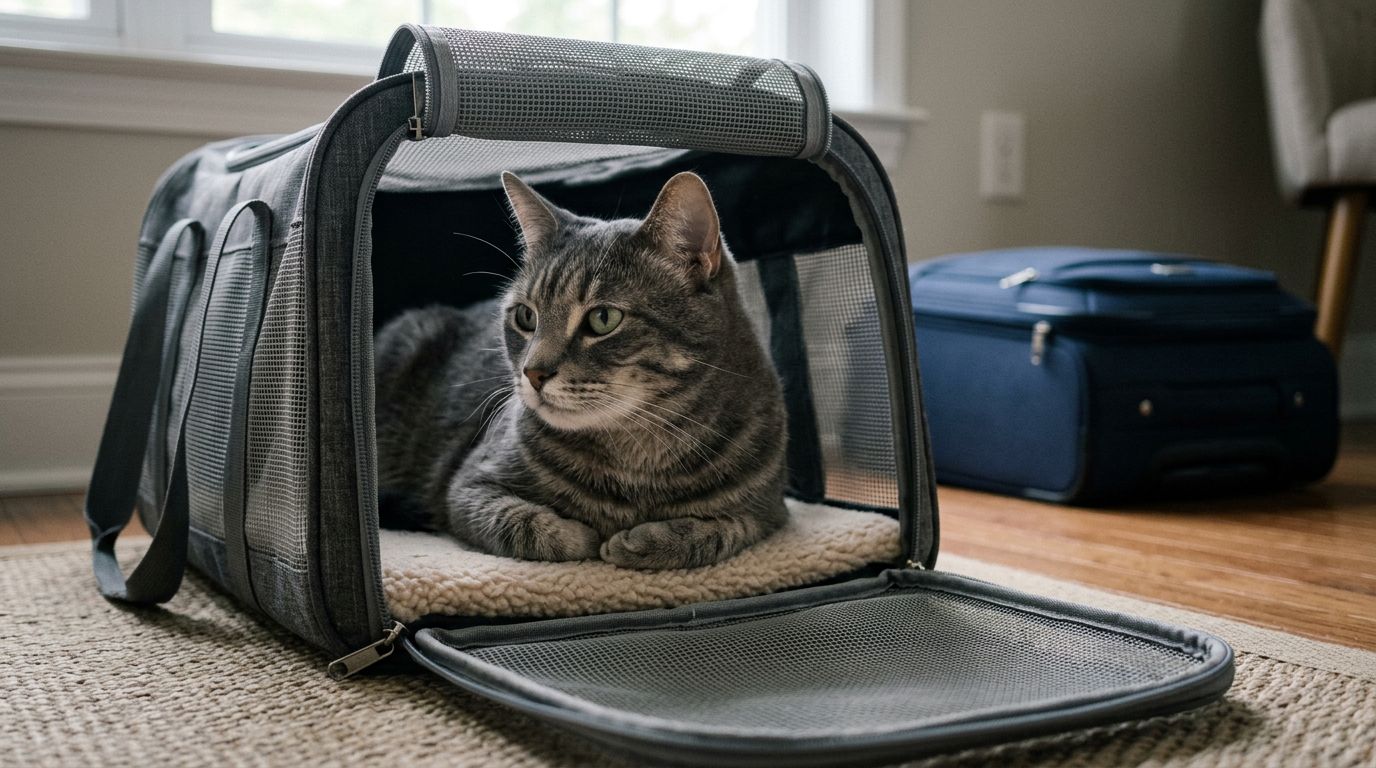
Pet Health Certificates for Domestic & International Travel in Tigard, OR
A move or flight can involve pet paperwork needing attention before departure. Carrier and destination requirements may differ, and examination dates matter. If you are inquiring about international health certificates, the first step is to contact us via phone or email!
Nimbus Pet Hospital offers pet health certificates for domestic and international travel from our Tigard clinic, convenient to Beaverton and southwest Portland. Share your destination, departure date, airline, and pet's records before booking so our team can discuss which steps may apply. Some itineraries involve testing or government processing that cannot be completed at the last minute.
Why Choose Nimbus Pet Hospital for Your Pet's Health Certificate?

Nimbus already lists domestic and international travel documentation among its additional pet services. Owners can ask about examinations, vaccination history, and documentation. We also provide vaccinations, wellness examinations, and microchipping when relevant.
Our office is at 10115 SW Nimbus Ave, Suite 200, in Tigard. For families leaving from Beaverton, start with the itinerary. A certificate for a domestic flight can involve very different steps from an international export document.
International certificate preparation depends on the availability of a veterinarian with the required USDA accreditation and the destination's rules. Please contact the hospital to confirm which itineraries and documentation services can be accommodated before scheduling or making final travel arrangements.
What Is a Pet Health Certificate?
A pet health certificate for travel is a veterinary document prepared after the applicable examination and review of required health information. For movement between U.S. jurisdictions, the document may be called a Certificate of Veterinary Inspection, or CVI. International destinations may prescribe their own veterinary health certificate, sometimes in a particular language or government format.
A certificate is different from a vaccination record. A rabies record establishes details of a vaccine, while a certificate may require the veterinarian to examine the animal, verify identification, and document additional conditions. Some trips require both.
Not every drive, move, or flight requires the same paperwork. The receiving jurisdiction determines its entry requirements, and an airline may add separate transportation conditions. Before requesting a certificate, check the USDA APHIS pet travel guidance and the rules for your destination. A form from an earlier trip may no longer be valid.
Domestic Pet Health Certificate Requirements
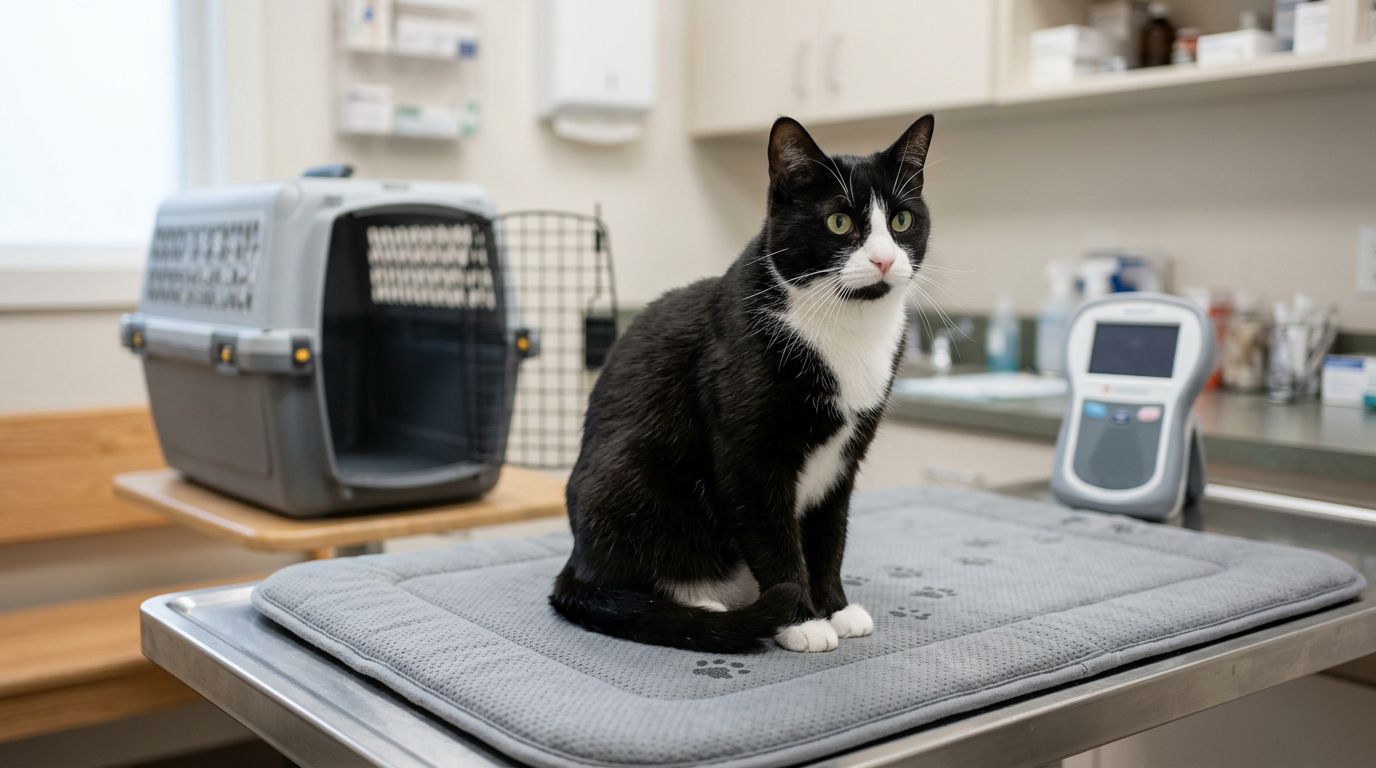
A domestic pet health certificate may be required when a dog or cat enters another state or U.S. territory. Requirements come from the destination, not from a single nationwide rule for every privately owned pet. Some jurisdictions request a recent veterinary inspection, vaccination evidence, or other documentation. Others have different requirements depending on species or circumstances.
For interstate travel, begin with the USDA state-by-state travel directory, then verify any questions with the receiving state's animal health authority. A trip to Washington and a trip to Hawaii may involve different paperwork. Hawaii and certain U.S. territories have particularly important entry procedures to review well ahead of time.
Flying adds another layer. An airline's animal transportation policy can specify paperwork, carrier arrangements, breed restrictions, or its own examination window. Ask the airline about your particular flight and whether your pet will travel in the cabin or through another permitted arrangement.
The certificate alone does not establish that every travel condition is satisfied. The veterinary document, destination rules, and carrier policy must be checked together. If you are uncertain, call Nimbus with the itinerary rather than booking a certificate appointment based on a guessed deadline.
International Pet Health Certificate and USDA Requirements
Preparing paperwork for another country may take longer because that country establishes which documents and treatments it will accept. The USDA country-specific travel pages are the appropriate starting point for departures from the United States. Rules may address rabies vaccination, microchip identification, laboratory tests, parasite treatment, import permits, or additional examinations.
Why Early Preparation Matters
Some countries require steps in a particular order. A microchip might need to be in place before a qualifying rabies vaccination, for example, or laboratory testing may carry a mandatory waiting period. Requirements vary, so do not assume these examples apply to your destination. A last-minute examination cannot make up for a waiting period that has not elapsed.
USDA Accreditation and Certificate Issuance
When the receiving country requires USDA endorsement, the international certificate generally must be issued by a veterinarian accredited through the USDA's National Veterinary Accreditation Program. Accreditation belongs to the individual veterinarian and must be valid in the state where the veterinarian is practicing. It is separate from ordinary veterinary licensure and hospital accreditation.
Nimbus advertises international certificate services, but owners should confirm current accredited-veterinarian availability and whether their destination can be accommodated before making an appointment.
Endorsement and Delivery
Some destination countries also require USDA APHIS to review and endorse the veterinarian's signed document. The Veterinary Export Health Certification System, or VEHCS, can be used to submit eligible certificates. Acceptance of digital endorsement and the need for original paper documents depend on the destination. USDA processing and delivery are separate from the veterinary examination and can involve additional charges.
Returning to the United States
Plan the return journey before leaving Oregon. U.S. entry rules may differ from the foreign country's exit requirements. For example, the CDC requires a Dog Import Form for dogs entering the United States, with additional requirements for some travel histories. Review applicable USDA and CDC rules for your species and itinerary before departure.
What Happens During a Pet Health Certificate Appointment?
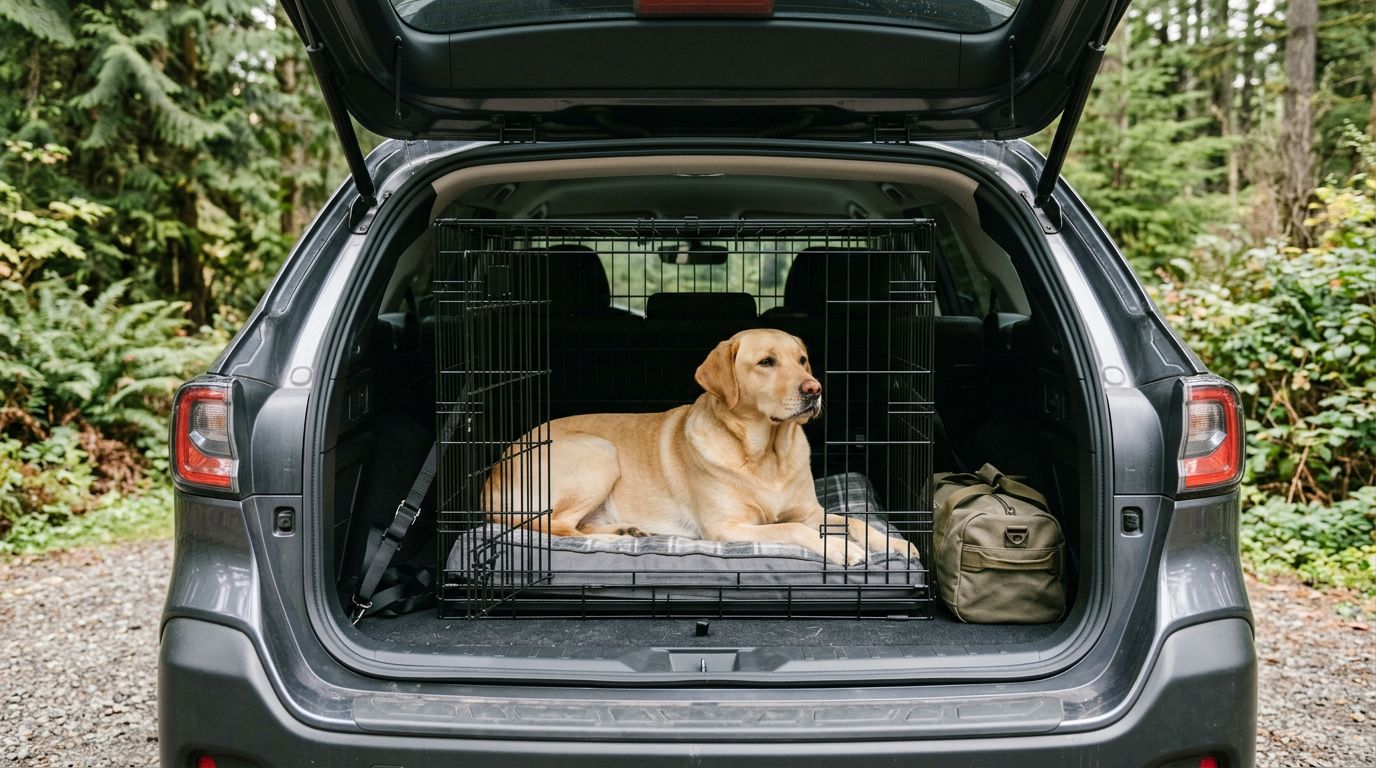
1. Travel Details Come First
The team needs the country, state, or territory of destination, travel dates, and transportation arrangements. Multiple destinations or layovers may matter. If international endorsement is involved, the destination's published requirements help determine whether the proposed schedule is realistic.
2. Records and Identification Are Reviewed
Bring prior vaccination certificates, the rabies documentation, and any microchip records. The veterinarian may need the microchip number and implantation or scanning details. Your destination may require other tests or treatments, and some cannot be completed at the same visit as the final certificate examination.
3. The Veterinarian Examines Your Pet
The examination evaluates the animal's current condition and identifies any findings that need attention. A pet health certificate in Tigard is issued only when the appropriate clinician can complete the examination and required documentation under the applicable rules. Examination alone does not guarantee compliance.
4. The Correct Document Is Prepared
The veterinarian records required details using the form or certificate accepted by the destination. Names, dates, identification numbers, and vaccination information should match supporting records. Incorrect entries can cause delays even when the animal is healthy.
5. Additional Processing May Follow
An international certificate may still need USDA endorsement or physical delivery after the veterinary visit. Confirm who is responsible for submission, payment, document collection, and any courier arrangements. Nimbus's handling of VEHCS submissions or shipping assistance should be discussed directly rather than assumed for every itinerary.
When Should You Schedule a Pet Travel Health Certificate?
For domestic travel, the correct examination window depends on the receiving jurisdiction and airline. Oregon's published CVI guidance addresses inspection timing and a 30-day travel validity for its applicable certificates, but that does not override another destination's stricter rules. Ask about the accepted dates before choosing an appointment.
International planning should begin as soon as the destination is known, sometimes weeks or months before departure. The final certificate examination may have a short permitted window even when vaccinations, permits, and testing began much earlier. Those are two different deadlines.
| Travel Situation | Planning Priority |
|---|---|
| Interstate move or trip | Confirm the receiving jurisdiction's rules and airline requirements |
| International departure | Check destination-specific vaccinations, testing, permits, and timing |
| USDA endorsement needed | Allow time for veterinary preparation, review, and document delivery |
| Multiple countries or stops | Check transit rules and every destination separately |
Missing records, outdated identification details, or an expired vaccination can complicate a departure. Contact Nimbus before committing to a narrow appointment window.
What to Bring to Your Pet's Travel Certificate Appointment
Prepare the itinerary in writing, including the destination, departure and return dates, flight information, and transit stops. Bring vaccination records, particularly the full rabies certificate, along with previous veterinary records and microchip information when available. If the destination has issued an import permit or specific instructions, bring those documents too.
Include the pet's identifying details and tell the hospital about any medical conditions or recent illness. If you're seeking a pet health certificate for travel after moving between veterinarians, request records from the previous clinic early. Missing documentation can take time to resolve. Ask Nimbus whether any special preparation is necessary before the examination; do not assume your pet needs to fast.
Pet Travel Appointment Checklist
- Destination country, state, or territory
- Departure and return dates
- Airline and flight information, including layovers
- Vaccination records and rabies certificate
- Microchip records, if applicable
- Previous veterinary medical records
- Import permits or destination-specific instructions, if required
- Details about current medications or health conditions
Confirm your destination's specific requirements with the hospital before the appointment.
How Much Does a Pet Health Certificate Cost?
Pricing for pet health certificates depends on the examination, destination, and additional services. Vaccines, microchipping, laboratory tests, parasite treatments, permits, or government endorsement can change the total. International travel may also involve document delivery costs.
A certificate examination fee should not be assumed to include USDA charges. APHIS sets separate endorsement fees when applicable, and those can vary with the certificate and required laboratory tests. Contact Nimbus with your destination and travel dates to discuss which services the hospital can provide and request an estimate. Ask about third-party charges and additional visits.
Frequently Asked Questions About Pet Travel Documentation
Does my dog or cat need a health certificate to fly within the United States?
Possibly. An airline may require documentation, and the destination may impose separate entry rules. Check the airline's policy for your particular flight and the destination's official entry guidance. Nimbus can discuss the veterinary examination and records needed once you provide your itinerary.
How far in advance should I schedule an international pet health certificate appointment?
Contact the hospital as soon as your plans are known. Some destinations require advance vaccination, antibody testing, permits, or waiting periods lasting weeks or months, while the final certificate has a much shorter issuance window. Giving the team your country and departure date early helps identify whether the required steps can be completed in time.
Does a pet health certificate need to be signed by a USDA-accredited veterinarian?
For international travel requiring USDA APHIS endorsement, the certificate generally must be issued by an appropriately accredited veterinarian. Ordinary interstate requirements are different and are set by the receiving jurisdiction. Confirm current accredited-veterinarian availability with Nimbus before booking international paperwork. The USDA accreditation of an individual clinician should not be assumed from the hospital's general veterinary credentials.
How long is a pet health certificate valid?
There is no universal validity period. The answer depends on the destination, the particular certificate, examination date, and any transportation requirements. Some jurisdictions use a period measured in days, while international destinations may have narrow windows linked to the departure or arrival date. Verify the correct interval before scheduling; an otherwise completed certificate can become unusable if it is issued too early.
Can Nimbus issue a certificate if my pet's rabies vaccination or paperwork is incomplete?
The veterinarian must establish that the applicable requirements are satisfied before issuing a certificate with those attestations. A missing vaccination record may need to be obtained, and an overdue vaccine may trigger timing rules that cannot be bypassed. Some destinations require additional testing or formal permission from their authorities. Call the hospital with your records so the next appropriate step can be identified.
What Pet Owners Say About Their Travel Certificate Experience
Pet owners have shared their experiences navigating domestic and international veterinary documentation with Nimbus Pet Hospital. The following excerpts come from customer reviews.
“Dr. Hadi was so accommodating in helping us get on schedule, get what we needed, and stay positive.”
Her review describes navigating repeat FAVN testing and coordinating overseas travel.
“This is a rather complicated procedure and he was extremely competent and reassuring throughout the whole process.”
This review describes obtaining a USDA-endorsed health certificate for travel to Europe.
“He has been incredibly helpful on our journey getting the health certificate…”
Her review describes international travel with her cat and also praises the front office and veterinary technicians.
Schedule a Pet Health Certificate Appointment in Tigard, OR
If your dog or cat will be traveling, contact Nimbus before choosing the examination date. We offer pet health certificates from our Tigard office and welcome families from Beaverton and nearby Portland communities. For a pet health certificate in Tigard, please have the destination, travel dates, and vaccination records ready when you call.
Visit 10115 SW Nimbus Ave, Suite 200, Tigard, OR 97223, call (971) 300-0613, or request an appointment. Ask whether your itinerary can be accommodated.