
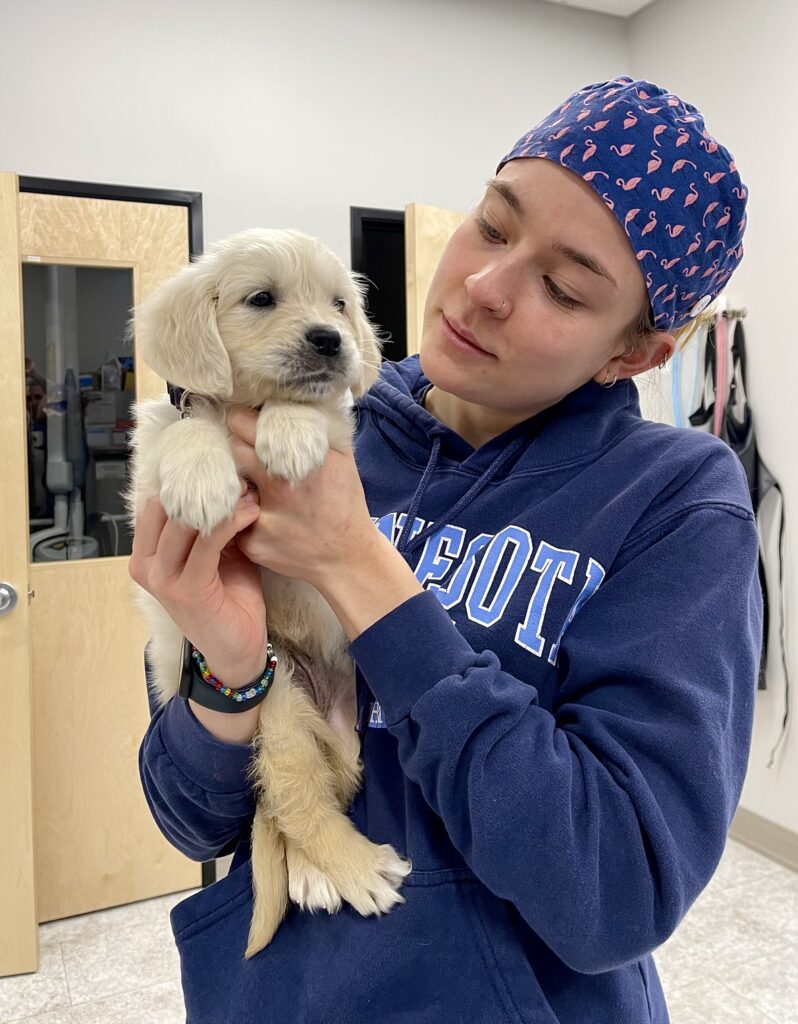
Signs of a Gastrointestinal Obstruction
It happens in the blink of an eye. You turn your back for a second to answer the phone or grab a glass of water, and when you look back, the squeaker from your dog’s favorite toy is gone. Perhaps it was a stray sock, a corn cob from the trash, or a rock from the garden. That initial moment of realization often brings a cold wave of panic. As pet owners, we know that dogs explore the world through their mouths, but that biological curiosity can quickly turn into a medical crisis.
- The Natural Drive Behind Dietary Indiscretion
- Physiological Indicators of a Major Blockage
- The Path of the Object: Understanding Internal Logistics
- Diagnostic Precision: Identifying the Unknown
- Tactical Intervention: From Management to Surgery
- Advanced Urgent Solutions at Nimbus Pet Hospital
- Navigating the Convalescence Phase
- The Tigard and Beaverton Advantage: Why Localized Care Matters
- Local Urgent Care Insights: Gastrointestinal FAQ
- Your Partner in Urgent Pet Stewardship
At Nimbus Pet Hospital, we see these situations frequently. While some small objects may pass through a dog’s system without issue, many items become lodged in the digestive tract, creating a mechanical blockage known as a gastrointestinal obstruction. This is a life-threatening condition that requires immediate professional intervention. Understanding the thin line between a simple upset stomach and a surgical emergency is the first step in protecting your companion.
The Natural Drive Behind Dietary Indiscretion
Dogs are evolutionarily programmed to be scavengers. Their ancestors survived by being opportunistic eaters, a trait that remains deeply embedded in modern breeds. Whether it is the interesting texture of a tennis ball or the enticing scent of food on a discarded wrapper, dogs often swallow things they cannot digest. This behavior, sometimes referred to as pica, can be driven by boredom, anxiety, or simple curiosity.
When a dog ingests a foreign body, the outcome depends on the size, shape, and material of the object. A small, smooth piece of kibble-sized plastic might move through the stomach and intestines easily. However, larger or more irregularly shaped items often get stuck at narrow points in the digestive highway. Proactive awareness is your best tool. If you know your dog is a “heavy chewer” or a “counter surfer,” being vigilant about their behavior and environment can be the factor that saves their life.
Physiological Indicators of a Major Blockage
Not every dog will “tell” you they swallowed something. In many cases, the owner is unaware of the ingestion until the dog begins to show clinical signs of distress. It is vital to distinguish between a standard bout of indigestion and a true obstruction.
- The Projectile Factor: Occasional vomiting can happen if a dog eats too fast or has a mild sensitivity. However, if your dog is experiencing projectile vomiting or is unable to keep down even small amounts of water, this is a major red flag. This often indicates that the pathway is completely blocked, and nothing can move forward.
- Abdominal Guarding: A dog in pain will often protect their midsection. You might notice your dog tensing their abdominal muscles when you try to pet them or pick them up.
- The Prayer Position: This is a classic sign of abdominal pain. The dog will stretch their front legs out on the ground while keeping their hindquarters in the air. This position is an attempt to relieve the pressure and discomfort in their digestive tract.
- Sudden Lethargy: If your normally high-energy dog is suddenly unwilling to get off the couch or seems depressed, their body may be reacting to internal trauma or toxin release.
- Loss of Appetite: Refusing food for more than 12 to 24 hours, especially in a food-motivated dog, is always a cause for concern.
- Changes in Bowel Movements: Straining to defecate without producing stool, or “tenesmus,” can indicate an obstruction. Conversely, sudden, watery diarrhea can occur if only liquids are able to squeeze past a partial blockage.
- Whining or Restlessness: Dogs that cannot get comfortable, pacing or whining continuously, are often dealing with significant internal pressure.
- Dehydration: Because they cannot keep fluids down, obstructed dogs quickly become dehydrated. You can check this by gently lifting the skin between their shoulder blades. If it does not snap back quickly, they need fluids immediately.
- Pale Gums: This can be a sign of shock or internal distress. Healthy gums should be a bubblegum pink color.
- Bloating: A visibly distended abdomen can indicate that gas and fluids are backing up behind a blockage, which is a critical emergency.
The Path of the Object: Understanding Internal Logistics
To understand why a blockage is so dangerous, we have to look at the internal journey of the object. The digestive tract is a series of narrow tubes and muscular valves. The first major hurdle is the esophagus. While objects rarely get stuck here, when they do, it is an immediate emergency as it can interfere with breathing or cause esophageal tearing.
The most common “standoff” occurs at the pylorus, which is the exit from the stomach into the small intestine. This opening is quite narrow. If an object is too large to pass through the pylorus, it will sit in the stomach, causing chronic vomiting and irritation to the stomach lining.
If the object does manage to enter the small intestine, it faces a long, winding path. The intestines move food along via waves of muscular contractions called peristalsis. When a hard object gets stuck, the intestines continue to contract against it, which can cause the tissue to swell. This leads to ischemia, a condition where blood flow to the tissue is cut off. Without blood, the intestinal tissue begins to die, a process known as necrosis. If the tissue dies, it can rupture, leaking bacteria and waste into the abdominal cavity, leading to a fatal infection called peritonitis.
One of the most dangerous types of blockages involves linear foreign bodies. These are things like string, yarn, dental floss, or even the drawstring from a pair of sweatpants. One end of the string often gets caught at the base of the tongue or in the stomach, while the rest of the string moves down the intestines. As the intestines try to move the string along, they “bunch up” like the fabric on a curtain rod. This is known as the “accordion effect,” and the string can actually saw through the intestinal walls.
Diagnostic Precision: Identifying the Unknown
When you bring your dog to Nimbus Pet Hospital with a suspected obstruction, our first goal is to confirm the presence and location of the object. We utilize advanced, non-invasive diagnostic tools to get a clear picture of what is happening inside.
Digital X-rays are usually the first step. Many foreign objects, such as metal, stones, or dense rubber, are “radiopaque,” meaning they show up clearly on a standard film. However, some items like plastic, fabric, or organic material may not be easily visible. In these cases, we may perform a Barium study. This involves giving the dog a safe, liquid contrast material to swallow. We then take a series of X-rays over several hours to watch how the Barium moves through the system. If the Barium stops moving at a certain point, we have found our blockage.
We also utilize high-frequency ultrasound diagnostics. Ultrasound allows us to evaluate “gut motility,” or how well the intestines are moving. It is also excellent for identifying intussusception, a condition where one part of the intestine slides into another like a telescope, which can look very similar to a foreign body obstruction on a physical exam.
Tactical Intervention: From Management to Surgery
The treatment plan depends entirely on what the dog ate and where it is located. In some very specific cases, if the ingestion was recent and the object is safe to bring back up, we may induce emesis (vomiting). However, this is a narrow window. We never recommend inducing vomiting at home without professional guidance, as certain objects or chemicals can cause more damage coming back up than they did going down.
If the object is still in the stomach, we may be able to use endoscopy. This involves a flexible camera and specialized “fishing” tools passed down the throat while the dog is under anesthesia. This non-surgical approach allows us to retrieve objects without making an abdominal incision.
However, if the object is lodged in the intestines or is too large for endoscopic retrieval, surgery is necessary. At Nimbus Pet Hospital, we perform several types of abdominal procedures:
- Gastrotomy: An incision is made into the stomach to remove the foreign material.
- Enterotomy: An incision is made into the small intestine to extract the object.
- Resection and Anastomosis: If a section of the intestine has become necrotic (died) due to lack of blood flow, that section must be surgically removed, and the healthy ends of the intestine are sewn back together.
Advanced Urgent Solutions at Nimbus Pet Hospital
Choosing where to take your pet during a crisis is a heavy decision. Nimbus Pet Hospital, serving the Tigard and Beaverton communities, is designed to handle these high-stakes situations with a combination of modern technology and neighborhood compassion.
Our in-house diagnostic suite is a cornerstone of our urgent care capabilities. When every minute counts, you do not want to wait for X-rays to be sent out to a third-party lab for interpretation. Our team can capture and analyze images in real-time, allowing us to move from diagnosis to the operating table much faster than many general practices.
Surgical excellence is another pillar of our care. We utilize advanced anesthetic monitoring equipment to ensure your dog remains stable throughout the entire procedure. Our surgical team is experienced in complex abdominal cases, focusing on precision to minimize the risk of post-operative complications.
Beyond the surgery itself, we provide holistic recovery support. Managing pain and preventing secondary infections are just as important as the procedure. Our team works closely with you to create a customized recovery plan, ensuring your pet has everything they need to heal.
Navigating the Convalescence Phase
The 10 to 14 days following gastrointestinal surgery are critical. Your dog’s body is working hard to repair the incisions in the digestive tract. During this time, strict adherence to post-operative instructions is mandatory.
We typically recommend a “bland diet” protocol. This usually consists of easily digestible proteins and carbohydrates, such as boiled chicken and white rice, fed in small, frequent meals. This prevents the stomach and intestines from stretching too much while the sutures are still fresh.
Exercise restriction is also vital. While your dog might start feeling better after a few days, internal healing takes longer than the skin incision. Running, jumping, or rough play can cause internal tearing or “dehiscence” of the surgical site.
Pet owners must remain vigilant for signs of peritonitis or infection during recovery. If you notice your dog has a fever, a rigid abdomen, or starts vomiting again after the surgery, contact us immediately. These can be signs of an internal leak that requires urgent attention.
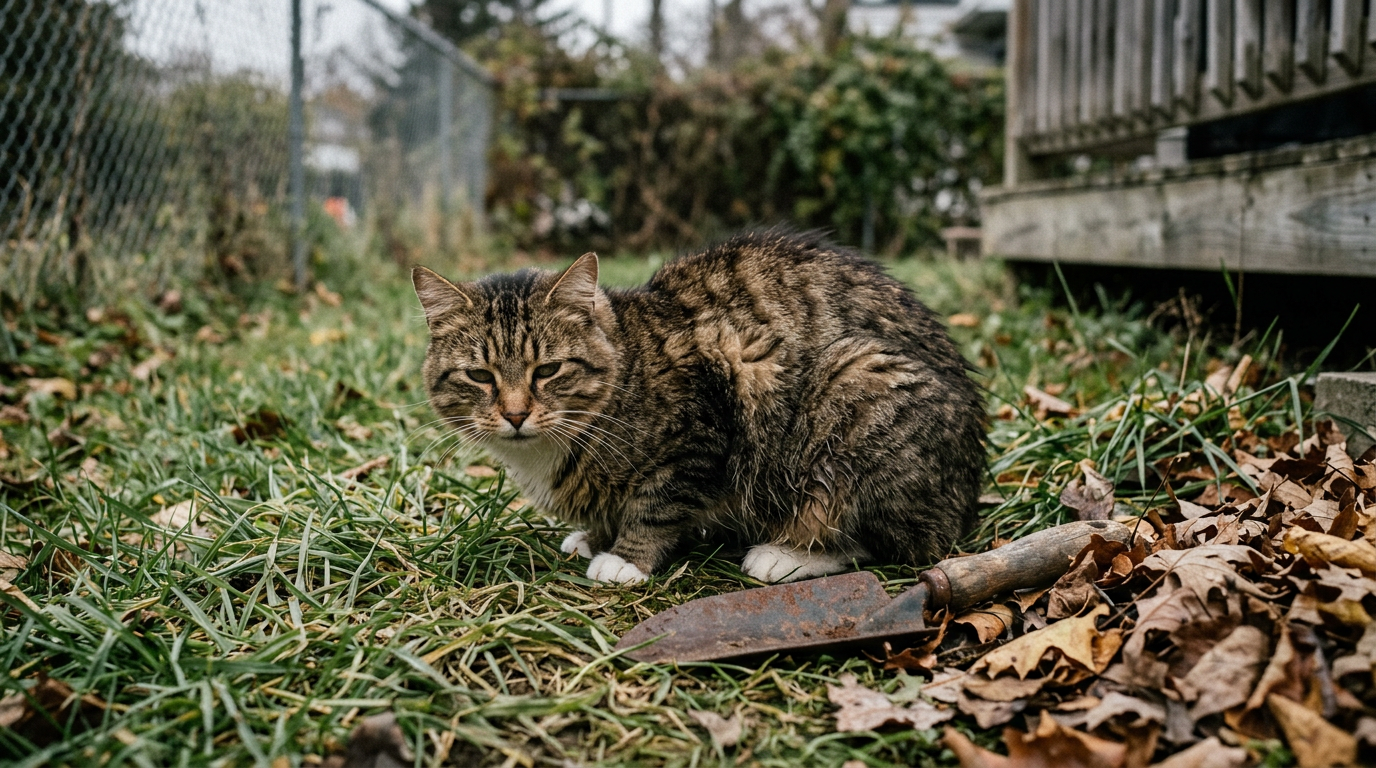
The Tigard and Beaverton Advantage: Why Localized Care Matters
In an emergency involving a blockage, the “time-to-table” factor is one of the most important variables in a positive outcome. Driving through heavy traffic across the Portland metro area to reach a distant emergency center can waste precious minutes. Having a trusted veterinarian right here in the Tigard and Beaverton area means life-saving help is just a short drive away.
Furthermore, being a regular patient at Nimbus Pet Hospital provides a significant advantage during an emergency. We already have your pet’s full medical history, vaccination records, and baseline health data on file. This allows our team to triage your pet much more efficiently. You aren’t just another number in a waiting room; you are a neighbor we know and care about.
Local Urgent Care Insights: Gastrointestinal FAQ
How do I reach Nimbus Pet Hospital from Tigard or Beaverton if I suspect my dog has an emergency blockage?
We are centrally located and easily accessible to pet owners throughout the Tigard and Beaverton areas. Our facility features convenient, upfront parking to make bringing a distressed pet inside as seamless as possible. If you are en route, give us a call so we can provide the quickest route based on your current location and prepare for your arrival.
Does Nimbus Pet Hospital accept urgent walk-in evaluations for pets who have ingested objects?
We always recommend calling us on your way so we can prepare our diagnostic team and surgical suite for your arrival. However, we understand that emergencies are unpredictable, and we prioritize urgent cases that involve life-threatening concerns like gastrointestinal obstructions.
Are surgical foreign body extractions performed on-site at your facility serving Tigard and Beaverton?
Yes. We are a full-service facility equipped with a modern surgical suite. We perform gastrotomies, enterotomies, and more complex intestinal surgeries right here in our office.
What are the best hours to bring my dog to Nimbus Pet Hospital for a diagnostic X-ray?
We offer diagnostic imaging throughout our standard operating hours. If you suspect your dog has swallowed something, do not wait for a specific time. Call us immediately so we can fit you into the schedule for an urgent evaluation.
Your Partner in Urgent Pet Stewardship
Witnessing your dog struggle with a gastrointestinal blockage is heartbreaking, but you do not have to face it alone. Trusting your “gut instinct” is one of the most important things you can do as a pet owner. If something feels wrong, it usually is.
At Nimbus Pet Hospital, we combine the high-tech capabilities of a modern surgical center with the warm, empathetic care of a local neighborhood vet. Whether it is a routine wellness check or an urgent scare involving a swallowed toy, our team is here to provide the Tigard and Beaverton communities with the expert care their pets deserve. We invite you to visit our facility or call us to learn more about our preventative safety measures and urgent diagnostic services. Your pet’s health is our priority, and we are honored to be your partner in their care.