
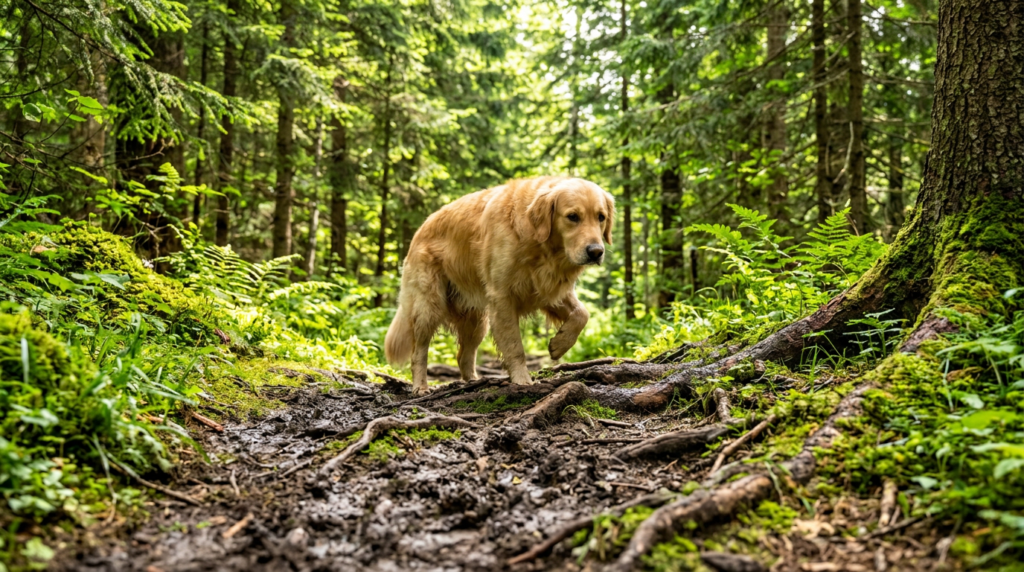
A healthy dog returning from the backyard while holding up a hind leg or favoring a front paw triggers immediate concern for any household. Mobility issues can appear in an instant, turning an energetic pet into a hesitant, uncomfortable companion. Determining whether the underlying cause is a minor muscle pull, chronic joint wear, or a major ligament rupture requires a systematic diagnostic approach. Leaving an altered gait untreated is a significant risk, as canines instinctively shift weight to protect a painful limb, creating immediate compensatory strain on the opposite joints, muscles, and spine.
Table of Contents
- Grounding the Gait: Why a Sudden Limping Episode Demands Immediate Clarity
- The Active Injury Dilemma: Distinguishing Soft Tissue Micro-Tears From Cranial Cruciate Ruptures
- The Creeping Structural Grind: Spotting Chronic Joint Wear in Stationary Canines
- Comprehensive Orthopedic Interventions: How the Nimbus Medical Team Evaluates Mobility Loss
- The Straight-Shooter Tigard and Beaverton Canine Mobility FAQ
- Restore Free Movement: Secure a Professional Assessment Today
Grounding the Gait: Why a Sudden Limping Episode Demands Immediate Clarity
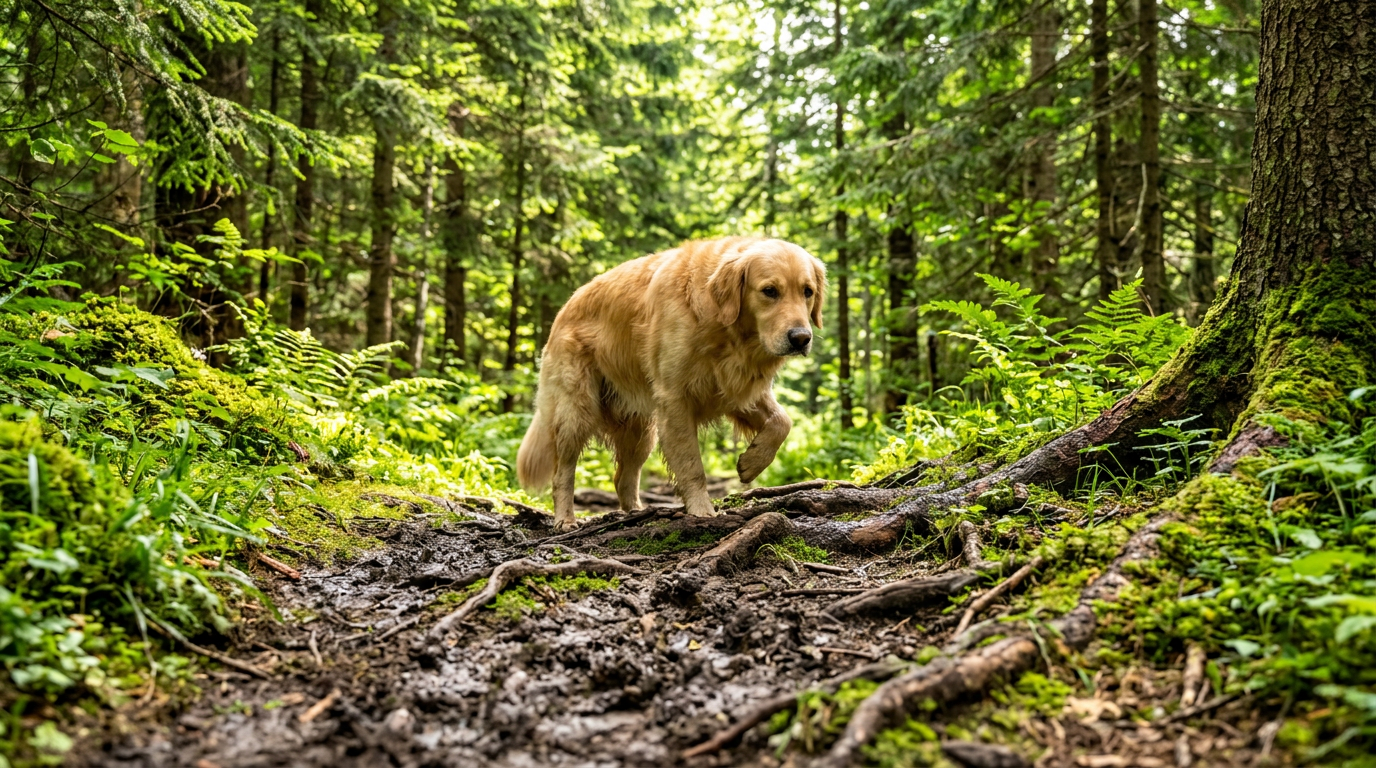
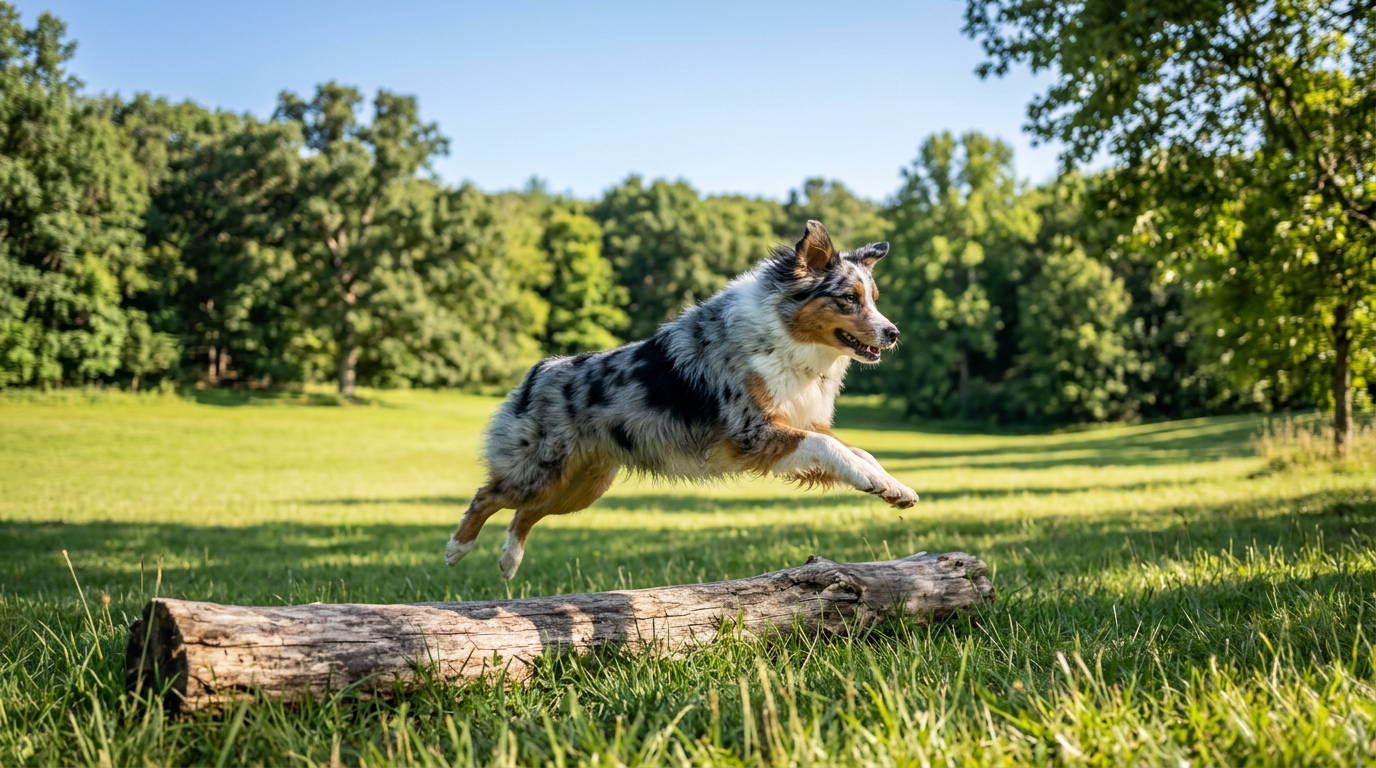
The landscape of the Pacific Northwest presents unique environmental challenges for a dog’s musculoskeletal health. Throughout Tigard, Beaverton, and the wider Tualatin Valley, local canines navigate slick mud, wet grass, hidden tree roots, and uneven hiking paths. A spirited dash across a rain-soaked lawn or a leap off a log along local trails can easily destabilize a joint. When a dog begins to limp, separating a temporary soft-tissue bruise from a permanent orthopedic issue becomes an immediate priority to prevent long-term mobility limitations.
Waiting to see if a limp resolves on its own often complicates the clinical picture. A minor strain may improve with forty-eight hours of strict rest, but structural joint tears or chronic wear require immediate medical attention. Postponing a professional orthopedic assessment allows secondary muscle stiffness and joint inflammation to develop, making an accurate diagnosis more challenging later on. Prioritizing clarity early ensures the correct therapeutic pathway is selected, minimizing healing time and safeguarding the animal’s quality of life.
The Active Injury Dilemma: Distinguishing Soft Tissue Micro-Tears From Cranial Cruciate Ruptures
Veterinary evaluations frequently focus on categorizing lameness into acute traumatic injuries versus progressive chronic conditions. Among acute injuries, a soft tissue sprain represents a mild, temporary challenge involving the stretching or microscopic tearing of ligaments or tendons surrounding a joint. Canines suffering from a mild strain may limp slightly but typically continue to bear partial weight on the limb, showing gradual improvement over a few days of restricted activity and rest.
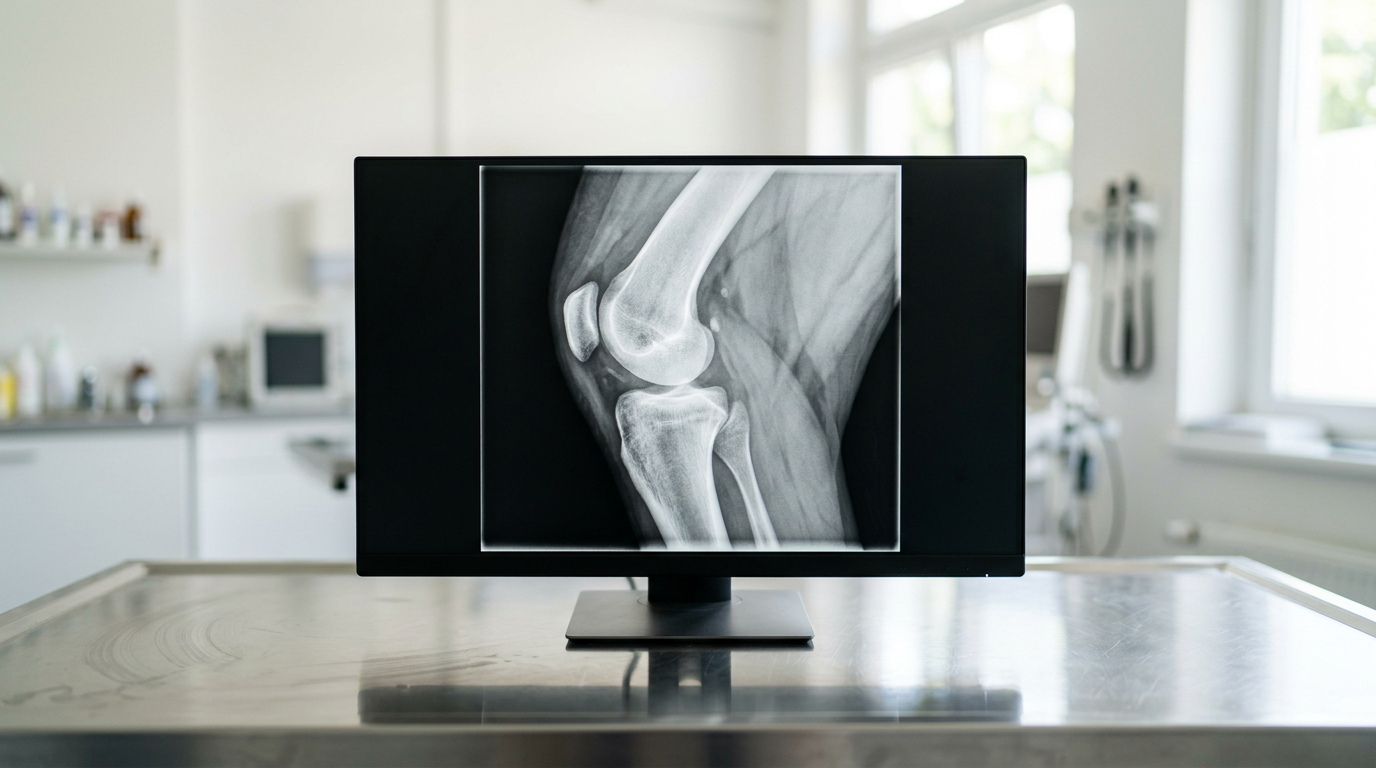
In stark contrast, a rupture of the Cranial Cruciate Ligament, the canine equivalent of a human ACL tear, represents a major structural failure inside the knee joint. This injury is common among active dogs and requires immediate, advanced veterinary intervention. Rather than showing a slight hitch in their stride, an animal with a torn cruciate ligament frequently exhibits dramatic toe-touching or completely non-weight-bearing lameness. A dog might hold the affected hind leg aloft while walking, or sit with the leg extended awkwardly to the side to avoid bending the unstable joint.
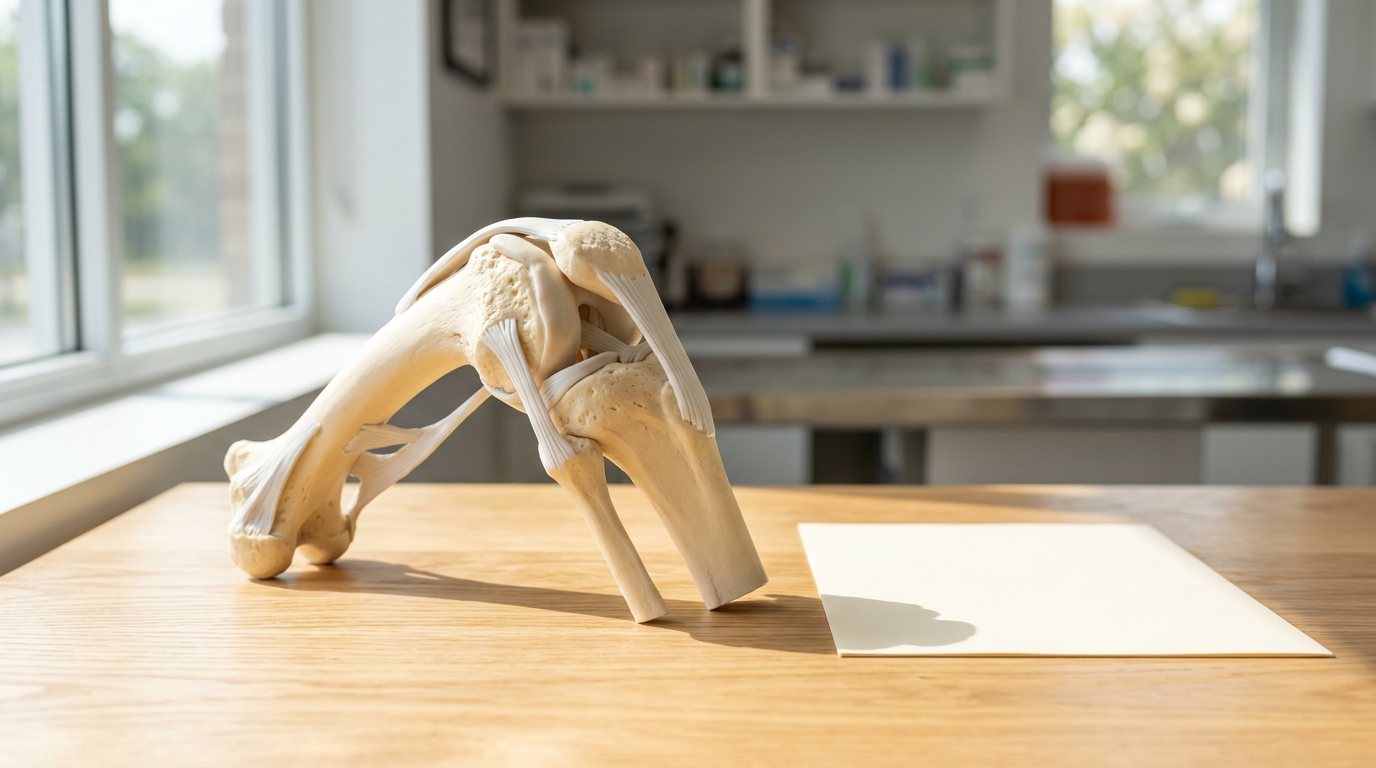
The mechanics of a cruciate tear reveal why simple rest cannot cure the issue. The Cranial Cruciate Ligament acts as the primary internal stabilizer of the canine knee joint, preventing the tibia from sliding forward relative to the femur. When this fiber snaps, the structural integrity of the knee collapses entirely. Every time the dog attempts to place weight on the leg, the femur slides backward over the tilted top of the tibia, creating immediate, painful bone-on-bone friction. This instability shears the internal cartilage pads, known as menisci, leading to rapid inflammation and an accelerated cascade of degenerative joint disease. Without physical stabilization, the joint cannot heal properly, and the constant micro-motion guarantees chronic discomfort.
Furthermore, the lack of immediate treatment for a cruciate ligament rupture often leads to a secondary crisis in the opposite leg. Because the injured dog must shift the vast majority of its weight to the uninjured limb, the healthy knee faces immense mechanical overload. Clinical data indicates that a substantial percentage of dogs that tear one cruciate ligament will eventually suffer a matching tear in the opposite leg due to this intense compensatory stress, making prompt stabilization essential.
The Creeping Structural Grind: Spotting Chronic Joint Wear in Stationary Canines
Not all instances of canine lameness stem from a dramatic backyard accident or an athletic misstep on a steep trail. Often, mobility loss develops as a slow, creeping structural process that flies under the radar for months. Osteoarthritis, or chronic degenerative joint disease, represents the progressive wearing away of protective cartilage within the joints. As the smooth cushioning cartilage degrades, the raw bone surfaces begin to rub together, stimulating the growth of painful bone spurs and causing chronic inflammation within the joint capsule.
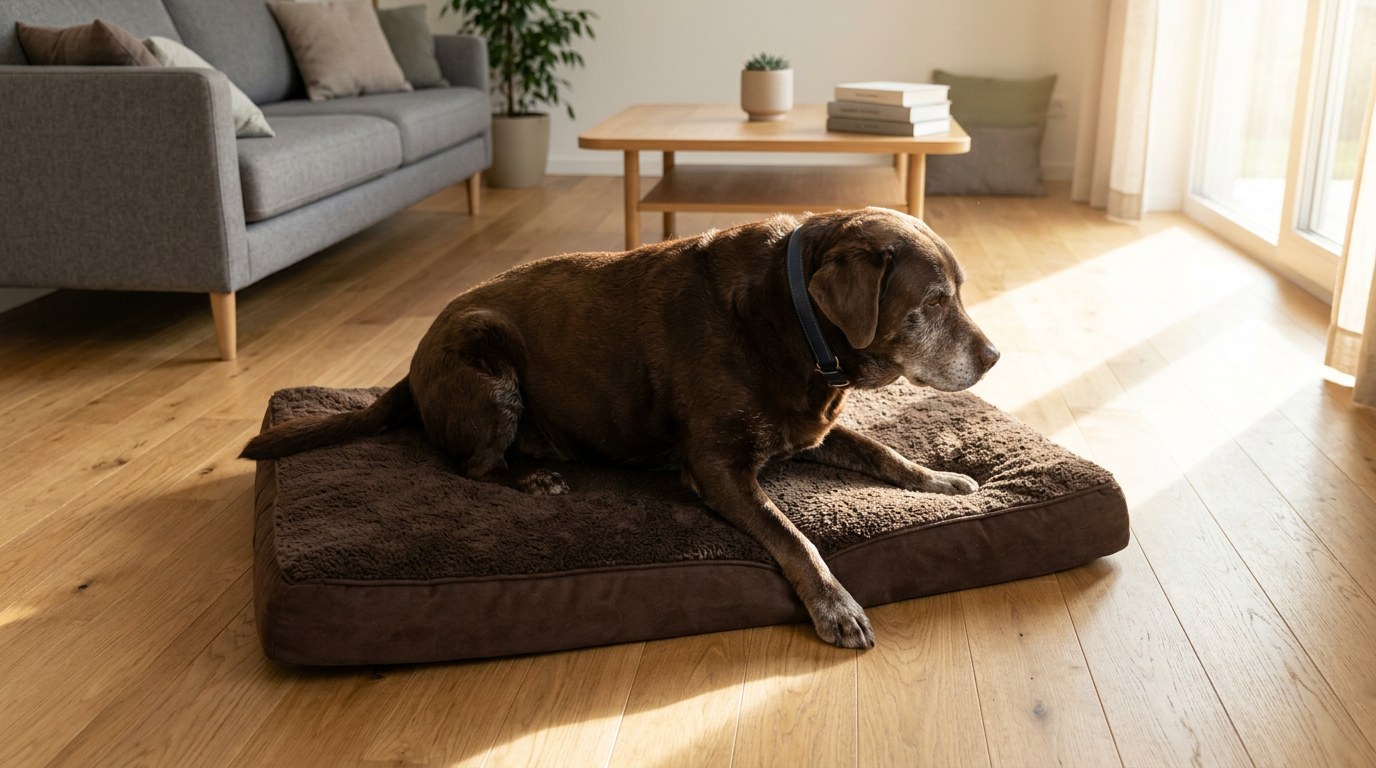
Spotting arthritis in stationary or senior canines requires looking past sudden, overt pain signals. Dogs are remarkably stoic animals, meaning they rarely whimper or cry out from chronic arthritic discomfort. Instead, behavioral changes serve as the primary indicators of a problem. An observant family member might notice a canine companion experiencing extreme difficulty rising from a bed in the morning, or showing prolonged hesitation before climbing stairs or jumping into a car. A dog might lag behind during afternoon strolls along the Fanno Creek Trail, or seem unusually reluctant to fetch a ball at Cook Park. This morning stiffness often seems to ease slightly once the animal moves around and warms up, but the underlying inflammation remains a constant drag on their vitality.
Local climate conditions play a direct role in how severely arthritis impacts a pet’s daily life. The damp, chilly winter months characteristic of the Beaverton and Tigard regions cause changes in barometric pressure, which directly influences fluid pressure within compromised joint capsules. When the cold rain settles into the valley, arthritic joints tend to swell, increasing localized stiffness and making daily movement a painful chore. Early detection during routine wellness visits is essential, allowing for a proactive management plan combining weight regulation, joint supplements, and modern anti-inflammatory therapies to protect aging cartilage before irreversible degradation takes over.
Comprehensive Orthopedic Interventions: How the Nimbus Medical Team Evaluates Mobility Loss
Resolving mobility limitations and protecting a dog’s long-term skeletal health requires moving past guesswork and using precise clinical metrics. The medical team at Nimbus Pet Hospital approaches every limping patient with a commitment to modern technology, compassionate care, and accurate root-cause identification. By avoiding vague assumptions, the hospital ensures that each pet receives a highly specific, tailored intervention designed to target the exact source of their discomfort and restore pain-free movement.
The primary step in addressing any altered gait is a comprehensive orthopedic evaluation. During a wellness exam or dedicated lameness check, the veterinarian conducts a detailed physical review, observing movement patterns, measuring muscle symmetry, and gently palpating each joint to detect localized heat or fluid buildup. Specific orthopedic manipulation tests, such as the cranial drawer test and the tibial compression test, allow the doctor to evaluate the structural integrity of the internal ligaments directly.
Advanced diagnostic tools are deployed to confirm physical exam findings and visualize internal structures clearly:
- High-Resolution Digital Imaging: Digital X-rays provide crisp, immediate images of the skeleton, allowing the veterinary team to rule out bone fractures, identify joint dislocations, and detect the subtle bone spurs associated with early osteoarthritis.
- Safe, Comfortable Sedation Protocols: When joint pain makes manual manipulation or precise positioning for digital imaging stressful, gentle sedation protocols allow the medical team to perform a thorough, pain-free examination without triggering anxiety or muscle tension in the patient.
- Advanced Surgical Excellence: If the diagnostics reveal a torn cranial cruciate ligament, the hospital provides sophisticated surgical repair options, using modern stabilization techniques to rebuild joint security and eliminate bone-on-bone friction.
- Targeted Pain Management: Combining modern pharmaceuticals, therapeutic joint diets, and specialized nutraceuticals allows the medical team to construct a multi-layered pain plan tailored to the specific stage of a dog’s joint disease.
- Preventative Weight Regulation: Maintaining an ideal body condition score is vital, as excess weight places direct, daily mechanical stress on compromised joints, accelerating cartilage destruction.
The integration of these modern services ensures that a patient’s treatment plan addresses both the immediate injury and their long-term recovery path, helping local dogs regain baseline vitality so they can safely return to exploring the beautiful outdoor spaces of the Pacific Northwest.
The Straight-Shooter Tigard and Beaverton Canine Mobility FAQ
How do I separate general pet clinics from a top-tier animal hospital in the Tigard and Beaverton area for a severe joint injury?
Identifying a premier veterinary provider for an orthopedic issue means looking for a facility that provides comprehensive diagnostic and surgical capabilities under one roof. A general practice might offer standard pain medication and suggest a referral to a distant specialist, which delays treatment and increases family stress. The team led by Dr. Hadi at Nimbus Pet Hospital manages the entire clinical process seamlessly, combining high-resolution digital imaging, advanced surgical suites, and dedicated post-operative recovery care on-site. This immediate access to modern technology and experienced surgical oversight ensures that severe injuries receive prompt, targeted interventions without external delays.
What exact steps occur during a lameness evaluation at the SW Nimbus Ave facility?
When a limping dog arrives at the clinic on SW Nimbus Ave, the medical staff follows a strict, multi-layered orthopedic protocol. The doctor first performs a visual gait analysis, watching the animal walk and trot to identify subtle structural imbalances. Next, manual palpation of the spine, hips, knees, and paws occurs to isolate localized heat, joint effusion, or a reduced range of motion. The veterinarian then conducts specific stability assessments, including the cranial drawer test, to feel for abnormal forward slipping of the tibia. If the patient experiences significant discomfort or requires precise structural positioning, safe sedation is used to capture clear digital X-rays of the bones and joint spaces.
Can a routine wellness check help prevent a minor limp from turning into long-term arthritis?
Proactive intervention during regular physical examinations is incredibly effective at halting progressive joint damage. During a comprehensive wellness exam, the veterinary team conducts routine body condition scoring and checks for early joint laxity or muscle asymmetry. Catching these minor changes early allows the doctor to adjust the dog’s nutrition, prescribe cartilage-protecting joint supplements, and implement low-impact exercise routines before chronic, irreversible arthritis takes hold. This preventative approach manages joint wear at the cellular level, preserving structural integrity and keeping pets active for years longer.
Is the medical staff available for weekend appointments if a dog starts limping on Sunday morning?
Acute orthopedic injuries frequently happen during weekend adventures, making accessible scheduling essential for local pet owners. Nimbus Pet Hospital operates seven days a week at the 10115 SW Nimbus Ave location, offering dedicated appointment blocks on Sunday mornings from 8am to 1pm. This extensive weekend availability ensures that if a dog suffers a sudden soft-tissue strain or ligament tear during a Saturday hike, the family can secure a prompt, comprehensive evaluation the very next morning. This accessibility allows local pet parents to bypass the long wait times and premium costs associated with crowded regional emergency rooms.
Restore Free Movement: Secure a Professional Assessment Today
Allowing a canine companion to struggle through a visible limp while hoping for spontaneous improvement places their long-term health at serious risk. Attempting to manage a pet’s joint pain at home with human over-the-counter medications is highly dangerous, as standard human pain relievers are highly toxic to a dog’s liver, kidneys, and gastrointestinal lining. Every day an animal walks on an unstable ligament or an unmanaged soft-tissue injury accelerates irreversible cartilage erosion and joint scarring, turning a treatable condition into a permanent disability. Ditch the “wait and see” approach and prioritize your pet’s physical comfort. Contact the expert team at Nimbus Pet Hospital right now by visiting nimbuspet.com or calling the clinic on SW Nimbus Ave to secure a comprehensive orthopedic evaluation today.