
Cherry Eye
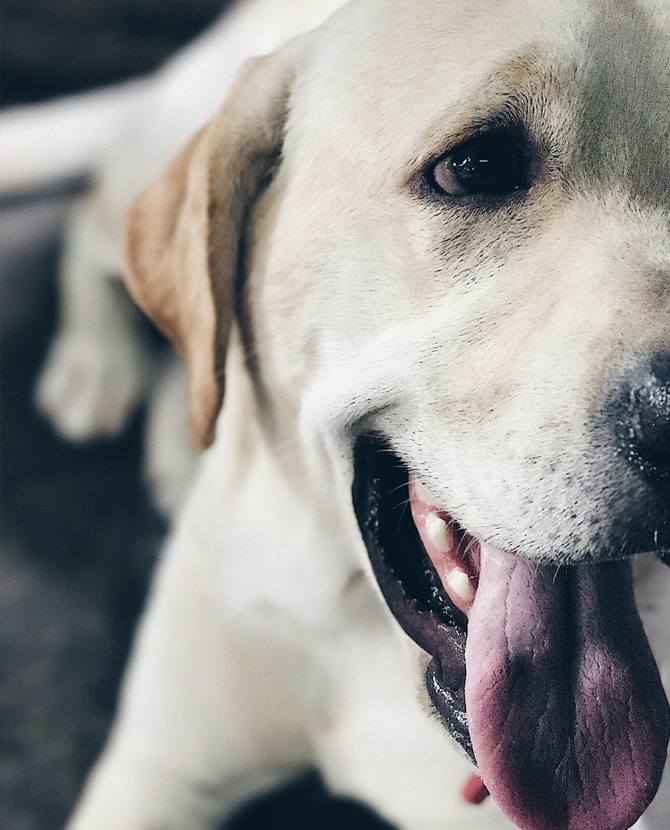
Does your dog have “Cherry Eye”? Here’s how we fix it
You’re cuddling your pup when you notice it; a strange, red, fleshy bump in the corner of their eye. It looks alarming, almost like a small cherry has popped up out of nowhere. If you’re panicked, take a deep breath. This condition is common, generally not painful in early stages, and highly treatable.
This condition is officially known as a prolapsed third eyelid gland, but you likely know it by its more descriptive nickname: “Cherry Eye.” At Nimbus Pet Hospital, we see this frequently, especially in younger dogs and specific breeds like Bulldogs, Beagles, and Cocker Spaniels. While it might look frightening, our experienced veterinary team is equipped to safely repair the gland and get your pet back to looking (and seeing) their best.
What is Cherry Eye?
Unlike humans, dogs have three eyelids. The third eyelid, or nictitating membrane, is located in the inner corner of the eye and contains a tear gland responsible for producing up to 50% of the aqueous tear film. This film is crucial for keeping your dog’s eye lubricated and healthy.
Normally, this gland is tucked away and invisible. However, the tissue fibers holding it in place can sometimes weaken, often due to genetics. When this happens, the gland pops out of position and becomes visible as a red, swollen mass.
If left untreated, the exposed gland can become irritated, inflamed, and prone to infection. More importantly, a prolapsed gland may stop functioning correctly, leading to chronic dry eye (Keratoconjunctivitis Sicca), a lifelong condition that requires daily medication to prevent blindness.
Surgical solutions at Nimbus Pet Hospital
When you bring your pet to Nimbus Pet Hospital for a Cherry Eye consultation, our priority is preserving that crucial tear gland. Years ago, some vets would simply remove the gland, but we now know this significantly increases the risk of permanent dry eye.
Instead, we use advanced surgical techniques to “tuck” or “pocket” the gland back into its natural position.
The Pocket Technique
The most common and successful method involves creating a small “pocket” in the tissue around the third eyelid. The prolapsed gland is gently pushed back inside, and the pocket is sutured shut with dissolvable stitches. This secures the gland in place while allowing it to continue producing tears.
Recovery is generally straightforward. Your pet will likely go home the same day with an Elizabethan collar (the “cone of shame“) to prevent scratching, along with eye drops to manage inflammation and prevent infection. Most swelling subsides within a week.
Why choose Nimbus Pet Hospital?
We know that surgery, even a routine one, can be stressful for pet parents. Here is why Nimbus Pet Hospital is the trusted choice for families in Tigard and Beaverton:
- Preservation First: We prioritize surgical techniques that save the tear gland, protecting your pet’s long-term eye health.
- Experienced Team: Our veterinarians are skilled in soft tissue surgery and use modern anesthetic monitoring protocols to ensure your pet’s safety.
- Comprehensive Care: From the initial diagnosis to post-operative checkups, we guide you through every step of the recovery process.
Frequently Asked Questions
Can Cherry Eye go away on its own?
No. While the gland might occasionally pop back in temporarily, the connective tissue is weakened, and it will almost always pop back out. Massage and medication can help reduce inflammation, but surgery is the only permanent fix.
Is the surgery expensive?
Costs vary depending on the severity and whether one or both eyes are affected. However, treating Cherry Eye surgically is far more cost-effective than managing chronic dry eye with expensive medications for the rest of your dog’s life. Contact us for a specific estimate.
Will it happen to the other eye?
Unfortunately, yes. Because the condition is often genetic, if a dog develops Cherry Eye in one eye, there is a strong chance it will eventually happen in the other. If both glands are prolapsed, we can often repair both during the same surgery.
Can I just leave it alone?
We strongly advise against ignoring it. An exposed gland is susceptible to trauma, infection, and drying out. Over time, this can lead to discomfort and permanent damage to tear production.
Protect your pet’s vision today
Don’t wait until the condition worsens or becomes painful. Early intervention is the best way to ensure a successful recovery and protect your dog’s vision for years to come.
If you suspect your pet has Cherry Eye, or if you have questions about the procedure, reach out to our team today. We are here to help your best friend see clearly again.