
Foreign Body Removal
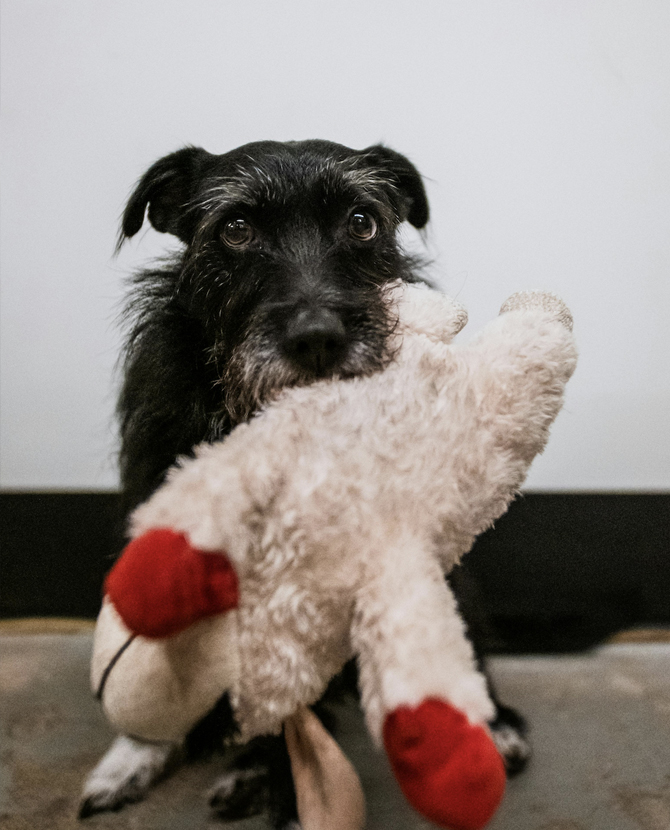
It happens in the blink of an eye. One moment your dog is happily chewing on a toy, and the next, the toy has vanished. Or perhaps you walked into the laundry room to find a pile of socks missing and a guilty-looking cat in the corner.
The ingestion of foreign objects is one of the most common and frightening emergencies pet owners face. While our furry friends explore the world through their mouths, this curiosity can lead to life-threatening blockages. Whether it’s a corn cob, a linear object like string, or a child’s toy, prompt action is essential. At Nimbus Pet Hospital, serving the Tigard and Beaverton communities, we specialize in the safe detection and removal of these objects to prevent severe internal damage.
Understanding Foreign Body Removal
Foreign body removal is the medical process of retrieving non-food items from a pet’s digestive tract. When you bring your pet to Nimbus Pet Hospital with a suspected ingestion, we don’t guess; we investigate.
The process typically begins with diagnostic imaging, such as digital X-rays or ultrasounds. This helps our veterinarians determine exactly what was swallowed and where it is currently located within the body. The location of the object dictates the treatment plan.
If the object is caught in the esophagus or sitting in the stomach, we may be able to perform endoscopy. This involves inserting a flexible tube with a camera down the throat to grab and remove the object without making any incisions. It is less invasive and offers a faster recovery time.
However, if the object has moved into the intestines or is too large to be pulled back up the esophagus, surgical intervention is required. This might involve a gastrotomy (opening the stomach) or an enterotomy (opening the intestine) to safely extract the blockage and repair any damage to the tissue.
Why Choose Nimbus Pet Hospital?
When your pet is in distress, you need a team that combines advanced medical technology with genuine compassion. Here is why pet owners in Tigard and Beaverton trust us with these delicate procedures:
- Advanced Diagnostics: We utilize state-of-the-art digital radiography and ultrasound technology to pinpoint objects quickly, reducing the time your pet spends in discomfort.
- Minimally Invasive Options: Whenever possible, we prioritize endoscopic removal to minimize pain and speed up your pet’s return to normal life.
- Surgical Expertise: For complex cases requiring abdominal surgery, our experienced veterinarians use precise techniques to ensure the best possible outcome.
- Comprehensive Aftercare: Recovery doesn’t end when the anesthesia wears off. We provide detailed post-operative instructions and pain management plans to ensure your pet heals comfortably at home.
What We Can Treat and Discover
Foreign body ingestion isn’t just about “stomach aches.” Different objects pose different risks, and our team is trained to identify and treat specific threats, including:
- Gastrointestinal Obstructions: Soft items like socks, underwear, or bedding can clump together, creating a blockage that stops food from passing and cuts off blood flow to the tissue.
- Linear Foreign Bodies: String, ribbon, or yarn are particularly dangerous for cats. As the intestine tries to move the string, it can bunch up (plicate) and slice through the intestinal wall.
- Toxicity: Swallowing items like pennies (which contain zinc) or batteries can lead to severe systemic toxicity requiring immediate removal and medical management.
- Esophageal Blockages: Bones or rawhide treats can get stuck in the throat, pressing on the windpipe and causing difficulty breathing or localized tissue necrosis.
Frequently Asked Questions
What are the signs my pet has a blockage?
Common symptoms include vomiting (especially after eating or drinking), loss of appetite, lethargy, abdominal tenderness or pain, and the inability to defecate. If your pet is hunching over or seems unable to get comfortable, seek veterinary care.
Can I just wait for the object to pass?
It is rarely safe to “wait and see” without veterinary guidance. While small, smooth objects might pass, items that are sharp, large, or toxic can cause perforation (a hole in the intestine) or deadly infections. Always get an X-ray to determine if safe passage is possible.
How do you decide between endoscopy and surgery?
This depends entirely on the location and type of object. If the item is in the stomach and safe to pull back up the throat, we prefer endoscopy. If the object has entered the small intestine or has sharp edges that could damage the esophagus on the way up, surgery is the safer option.
How long is the recovery time?
Recovery varies by procedure. Pets undergoing endoscopy often bounce back within 24 to 48 hours. Pets requiring abdominal surgery typically need 10 to 14 days of restricted activity and careful monitoring to allow their incisions to heal.
Protect Your Pet’s Health Today
A swallowed object can escalate from a minor worry to a medical emergency in a matter of hours. If you are in the Tigard or Beaverton area and suspect your pet has ingested a foreign body, time is of the essence. Trust the experienced team at Nimbus Pet Hospital to provide the swift, skilled care your companion deserves.