
Hernia Repair
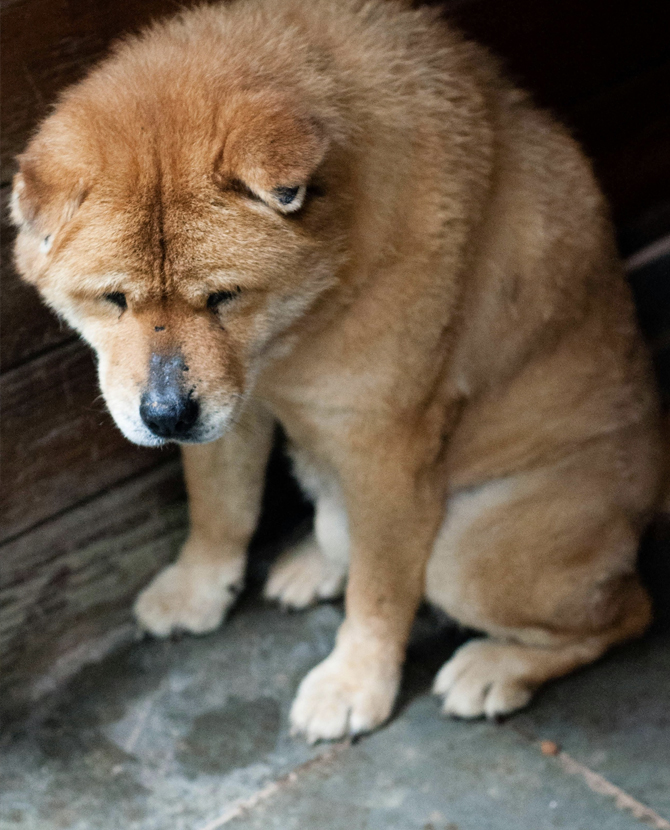
Is Your Pet at Risk? Understanding Hernia Repair at Nimbus Pet Hospital
Discovering a lump or bulge on your beloved pet can be a terrifying moment for any owner. While not every bump is cause for panic, if that swelling is a hernia, prompt attention is crucial for your pet’s long-term health. At Nimbus Pet Hospital, serving the Tigard and Beaverton communities, we specialize in diagnosing and surgically repairing hernias to get your companion back to their happy, playful self.
What is a Hernia and When Does it Need Repair?
A hernia occurs when there is a tear or opening in a muscle wall, allowing internal tissues, usually fat or organs like the intestines to push through. Think of it like a small hole in a piece of fabric; if you push something against it, the material bulges out the other side. In pets, this often looks like a soft swelling under the skin, most commonly around the belly button (umbilical), the groin area (inguinal), or near the rear (perineal).
You might discover the need for hernia repair during a routine grooming session, while cuddling on the couch, or your veterinarian might find it during a wellness exam. While some small hernias are harmless and may even close on their own in young puppies or kittens, others pose serious risks. If a loop of intestine gets trapped in the hole (strangulation), it can cut off blood supply, creating a life-threatening emergency.
Signs your pet might need an evaluation include:
- A soft, bubble-like lump on the abdomen or groin.
- Vomiting or lack of appetite (signs of strangulation).
- Pain when the area is touched.
- Swelling that changes size when the pet stands up vs. lays down.
Why Choose Nimbus Pet Hospital for Hernia Repair?
We understand that the thought of surgery for your pet is stressful. At Nimbus Pet Hospital, we combine advanced surgical techniques with compassionate care to ensure the best possible outcome.
- Experienced Surgical Team: Our veterinarians are skilled in repairing various types of hernias, from common umbilical fixes during spay/neuter procedures to more complex body wall repairs.
- Safety First Anesthesia: We utilize top-tier monitoring equipment and anesthesia protocols to keep your pet safe and comfortable throughout the procedure.
- Comprehensive Aftercare: Recovery is just as important as the surgery itself. We provide detailed post-operative instructions and pain management plans to ensure your pet heals quickly and comfortably at home.
- Local Care: Conveniently located to serve pets in Tigard and Beaverton, we are your neighborhood partners in veterinary health.
What We Can Treat with Hernia Repair
Hernia repair isn’t just about closing a hole; it’s about preventing future emergencies. At Nimbus Pet Hospital, our surgical services cover the full spectrum of hernia issues:
Umbilical Hernia Repair
This is the most common type, often seen in puppies and kittens as a bubble over the “belly button.” While small ones may be cosmetic, larger ones require surgical closure, often performed at the same time as spaying or neutering to minimize anesthesia time.
Inguinal Hernia Repair
Located in the groin area where the inner leg meets the body, these hernias can be dangerous if the bladder or uterus becomes trapped. Our team can surgically repair the abdominal wall to prevent organ entrapment.
Perineal Hernia Repair
More common in older, unneutered male dogs, this occurs near the pelvis and anus. It can cause difficulty with bowel movements. We perform precise repairs to reinforce the pelvic muscles and restore normal function.
Traumatic or Incisional Hernias
Sometimes accidents happen, or previous surgeries don’t heal perfectly, leading to a breakdown in the body wall. We are equipped to handle these complex repairs to restore your pet’s abdominal integrity.
Frequently Asked Questions
Can a hernia heal on its own?
Very small umbilical hernias in young puppies or kittens may close spontaneously by the time they are 6 months old. However, most hernias will require surgical repair to close the opening and prevent internal organs from becoming trapped.
Is hernia surgery dangerous?
Any surgery carries some risk due to anesthesia, but hernia repair is generally considered a routine and safe procedure with a high success rate. At Nimbus Pet Hospital, we perform pre-surgical blood work and use advanced monitoring to minimize risks.
What is the recovery time for hernia repair?
Most pets need to take it easy for 10 to 14 days following surgery. This means restricted activity (no running or jumping) and wearing an E-collar (cone) to prevent licking the incision. We will remove the sutures after two weeks if they are not dissolvable.
Schedule Your Consultation Today
Your pet’s health and comfort are our top priority. If you have noticed a new lump or have been monitoring a hernia that seems to be changing, let the experts at Nimbus Pet Hospital provide the care your companion deserves.
Call us today or visit our clinic to book your appointment.