
Mange Treatment & Care
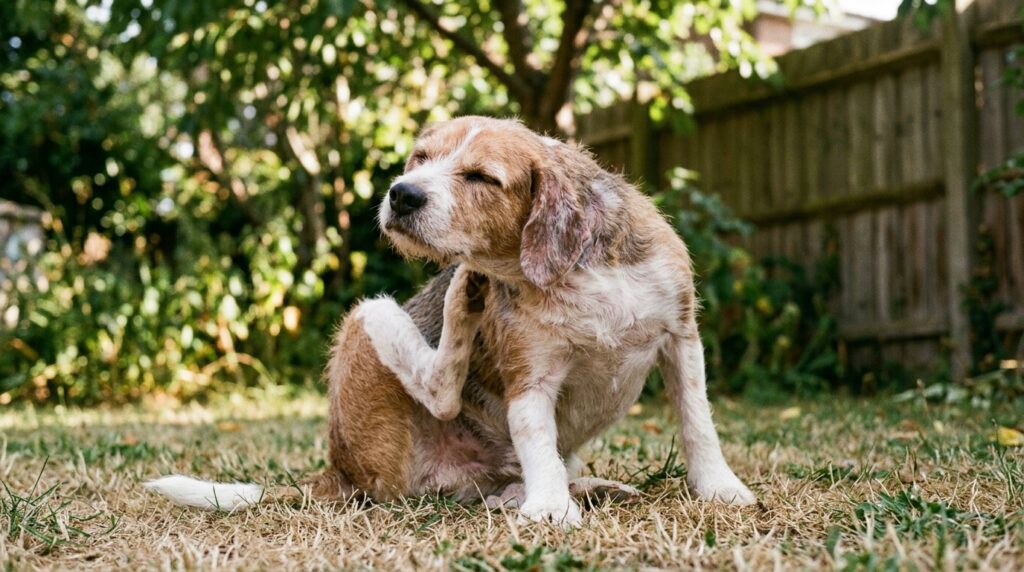
Comprehensive Mange Treatment by Nimbus Pet Hospital
Mange is a word that often brings to mind images of “street dogs” or severe neglect, but in reality, many types of mange can affect even the most well-cared-for pets in Tigard and Beaverton. Caused by microscopic mites that burrow into the skin or inhabit hair follicles, mange can lead to intense itching, secondary infections, and significant hair loss if not addressed promptly.
At Nimbus Pet Hospital, we approach mange with a combination of diagnostic precision and skin-restoring care. We understand how distressing it is to see your pet’s coat disappear and their skin become inflamed. Our team is here to identify the specific mite involved and implement a modern, effective treatment plan to get your pet’s skin back to its healthy, shiny state.
Why Choose Nimbus Pet Hospital for Mange?
Mange is often misdiagnosed as simple allergies, leading to weeks of ineffective treatment. We prioritize an accurate diagnosis to ensure we are targeting the right parasite from day one.
Our comprehensive care offers:
- Advanced Microscopic Diagnostics: We perform deep skin scrapings and hair pluckings (trichograms) to find mites that are invisible to the naked eye.
- Modern Treatment Options: Gone are the days of messy, toxic “dips.” We utilize the latest generation of safe, oral, and topical medications that eliminate mites with minimal stress to your pet.
- Fear Free Skin Care: Since mange makes the skin incredibly sensitive and painful, our Fear Free® techniques ensure that diagnostic scrapings are done as gently as possible.
- Full-Body Recovery: We don’t just kill the mites; we treat the “whole skin.” This includes managing the secondary bacterial infections and yeast overgrowth that often follow a mange infestation.
Things We Can Discover or Determine Treatment for with Mange Care
Different mites require very different approaches. At Nimbus Pet Hospital, we distinguish between the various forms of mange to provide the correct therapy:
- Demodectic Mange (Demodex): Often seen in puppies or immunocompromised adults, these mites live in the hair follicles. We determine if it is localized (small patches) or generalized (covering the whole body).
- Sarcoptic Mange (Scabies): Highly contagious and intensely itchy. We identify the signs of these burrowing mites and provide a “household-wide” strategy for prevention.
- Notoedric Mange: The feline version of scabies, which primarily affects the face and ears of cats.
- Cheyletiorella (“Walking Dandruff”): A large mite that looks like moving scales on the skin surface.
- Secondary Skin Damage: Identifying the degree of inflammation and infection caused by the pet’s constant scratching and biting at their skin.
Frequently Asked Questions
Is mange contagious to me or my other pets?
It depends on the type. Sarcoptic mange (Scabies) is highly contagious to other dogs and can even cause a temporary, itchy rash on humans. Demodectic mange, however, is not considered contagious to other animals or people; it is usually a result of an individual pet’s immune system being unable to keep their natural mite population in check.
How did my pet get mange?
Sarcoptic mange is usually caught through direct contact with an infected animal (like a fox or an infested dog) or by spending time in an area where an infected animal was recently present. Demodectic mites are actually a normal part of a dog’s skin flora and are passed from mother to pup shortly after birth; they only cause “mange” when the immune system allows them to overpopulate.
My pet is on flea prevention; shouldn’t that prevent mange?
Not necessarily. While many of the newer, high-quality flea and tick preventatives (like those in the isoxazoline class) are highly effective against mange mites, many older or over-the-counter products do not cover them at all. We can review your current prevention to ensure your pet is fully protected.
How long does it take for the hair to grow back?
Once the mites are eliminated, the itching usually subsides within a week or two. However, hair regrowth can take 4 to 8 weeks depending on the severity of the damage to the follicles.
Help Your Pet Shed the Mites
A mange diagnosis can feel overwhelming, but it is a highly treatable condition when caught by professionals. The team at Nimbus Pet Hospital is ready to provide the expert care needed to clear your pet’s skin and restore their comfort.