
Abnormal Dog Hair Loss Treatment
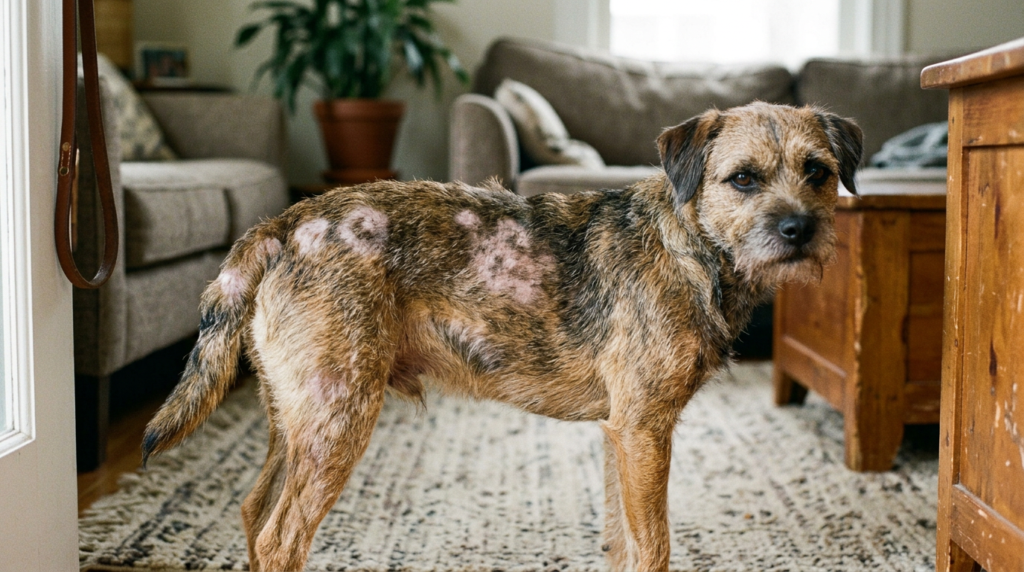
Comprehensive Care for Abnormal Hair Loss by Nimbus Pet Hospital
Few things are more concerning for a pet owner than noticing your companion’s once-lush coat beginning to thin, develop bald patches, or fall out in clumps. While shedding is a natural process for many pets in the Tigard and Beaverton areas, abnormal hair loss (alopecia) is a clinical sign that something is out of balance.
At Nimbus Pet Hospital, we view hair loss as a window into your pet’s internal health. Whether the cause is a surface-level irritation or a complex hormonal shift, our team is dedicated to uncovering the “why” behind the thinning fur. We combine advanced dermatology with internal medicine to help restore your pet’s coat and their confidence with our dog hair loss treatment strategy.
Why Choose Nimbus Pet Hospital for Abnormal Hair Loss?
Hair loss is a puzzle with many possible pieces. Choosing an independently owned hospital like Nimbus means you get a dedicated partner who will stick with you until that puzzle is solved. Read on to learn more about our dog hair loss treatment strategies, or click below to book!
Our comprehensive care offers:
- Diagnostic Depth: We don’t just “guess” at the cause. We utilize a systematic approach that includes skin scrapings, hair shaft analysis (trichograms), fungal cultures, and comprehensive blood panels.
- Hormonal & Endocrine Focus: Sometimes the skin is fine, but the “engine” is struggling. We specialize in identifying systemic issues like hypothyroidism or Cushing’s disease that often manifest as symmetrical hair loss.
- Stress-Free Environment: We understand that a pet with bare skin can feel vulnerable or itchy. Our Fear Free® certified handling ensures that examinations and diagnostic tests are a positive experience.
- Collaborative Care: From the front desk to our lead veterinarians, we ensure you are educated on the treatment plan, whether it involves a simple change in diet or a long-term medication schedule.
Things We Can Discover or Determine Treatment for with Hair Loss Care
“Alopecia” is a broad term, but the causes are specific. At Nimbus Pet Hospital, we identify and manage:
- Endocrine Alopecia: Hair loss caused by hormonal imbalances such as Hypothyroidism (dogs) or Hyperthyroidism (cats).
- Fungal Infections (Ringworm): Detecting contagious fungal spores that cause circular bald patches and crusting.
- Follicular Dysplasia: Managing genetic conditions where hair follicles fail to produce healthy strands.
- Psychogenic Alopecia: Identifying hair loss caused by over-grooming due to anxiety or stress, a common issue in local feline patients.
- Nutritional Deficiencies: Correcting coat quality through specialized diets when a pet isn’t absorbing the essential fatty acids they need.
- Post-Clipping Alopecia: Treating cases where hair fails to grow back after a surgical shave or a summer grooming.
Frequently Asked Questions
Is my pet shedding or is it abnormal hair loss?
Normal shedding occurs across the entire body and doesn’t usually leave the skin visible. Abnormal hair loss often presents as distinct bald spots, thinning in specific areas (like the tail or flanks), or is accompanied by redness, bumps, or itching.
Can stress cause my dog or cat to lose hair?
Yes. Chronic stress or anxiety can lead to “telogen effluvium,” where the hair follicles prematurely enter a resting phase and fall out. In cats, stress often manifests as “psychogenic licking,” where they literally lick the fur off their bellies or legs.
Does hair loss always mean my pet is itchy?
Not at all. In fact, many hormonal hair loss conditions (like Cushing’s) are “non-pruritic,” meaning the pet isn’t itchy at all. If your pet is losing hair but not scratching, it often points to an internal health issue rather than an external parasite or allergy.
Will the hair always grow back?
In most cases, yes, once the underlying cause is addressed. If the hair loss is caused by an infection or hormone deficiency, the coat usually returns within a few months of starting treatment. However, some genetic conditions may result in permanent thinning.
Get to the Root of the Problem
Your pet’s coat is their first line of defense and a major indicator of their overall well-being. If you’ve noticed thinning fur or bare patches, don’t wait for it to spread. Let the compassionate team at Nimbus Pet Hospital help your pet get their coat back.