
The Carpet Drag: Decoding the Mechanics of Rear-End Friction
Table of Contents
- Fluid Dynamics and Impacted Sacs: When Natural Drainage Fails
- The Threat of Rupture: Tracking the Progression to Abscesses and Infection
- Comprehensive Medical Interventions: How the Nimbus Team Restores Posterior Comfort
- The Straight-Shooter Tigard and Beaverton Canine Hygiene FAQ
- Clear the Discomfort: Lock in Reliable Care on SW Nimbus Ave
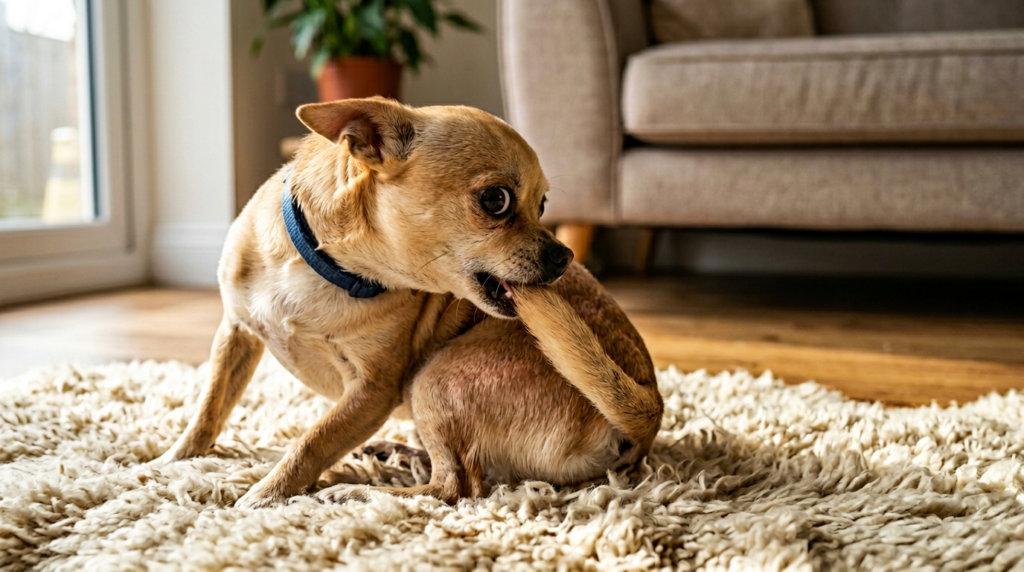
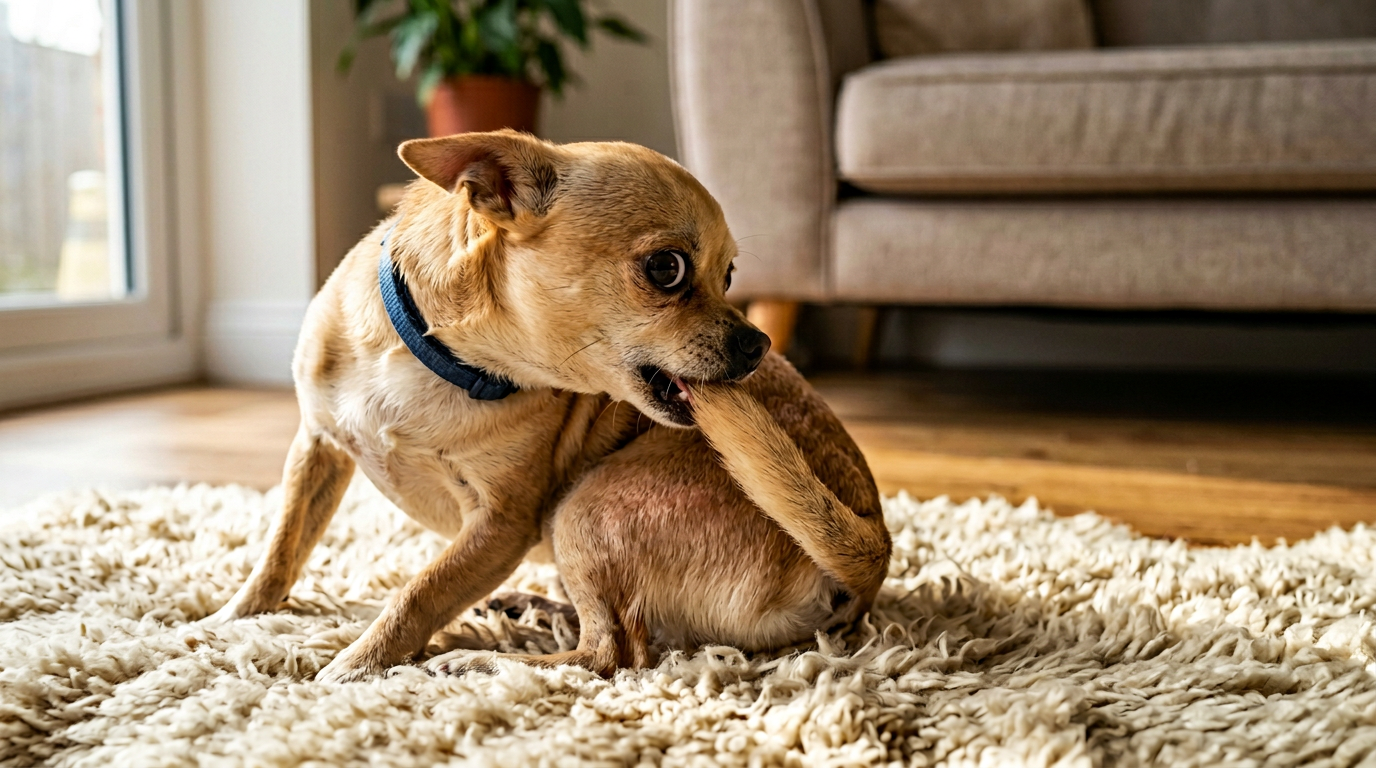
Dogs performing a sudden, frantic drag across the living room rug often elicit laughter or mild embarrassment from their owners. This behavior, widely known as scooting, is frequently misinterpreted as a humorous quirk or a basic grooming inconvenience. In reality, a dog scraping its hindquarters against a hard floor or carpet is displaying a clear, unambiguous cry for physical relief. This friction-seeking maneuver serves as a primary indicator of localized pressure, pain, or severe itching in the perianal region. When a canine companion resorts to using the floor as a mechanical scratching post, immediate attention is required to prevent a minor issue from rapidly escalating into a severe clinical problem.
Beyond the physical dragging motion, several accompanying symptoms indicate that a dog’s natural drainage system has stalled. Owners might notice their pet obsessively licking or biting at the base of the tail, turning around suddenly as if startled by its own rear end, or displaying unyielding discomfort while attempting to sit down. Another undeniable warning sign is a sudden, pungent, foul metallic or fishy odor emanating from the animal. This distinct scent indicates that fluid from the canine scent sacs is leaking under pressure or has become deeply impacted. Ignoring these initial warning signs is a recipe for severe localized inflammation, structural tissue damage, and intense physical misery for the domestic dog.
Fluid Dynamics and Impacted Sacs: When Natural Drainage Fails
Understanding why this system fails requires an objective look at canine anatomy. Canines possess two small, grape-like structures called anal glands, or scent sacs, nestled securely on either side of the interior rectal sphincter muscle. Positioned roughly at the four o’clock and eight o’clock locations, these specialized glands produce a thin, highly pungent fluid. Under normal physiological conditions, a dog passes a firm, well-formed stool, which exerts direct physical pressure against these interior sacs. This mechanical compression squeezes a small amount of the fluid through tiny exit ducts, naturally emptying the sacs during every defecation cycle. This fluid serves as a biological signature, allowing dogs to leave scent markers for other animals.
When this natural mechanism breaks down, fluid accumulates within the delicate tissue walls. Several structural, genetic, and environmental factors can disrupt this fluid dynamic. Chronic soft stools or frequent bouts of dietary diarrhea represent the most common culprit. If a dog regularly produces loose, unformed feces, the stool lacks the physical mass and firmness required to compress the perianal sacs during evacuation. Without that necessary mechanical pressure, the daily drainage process fails completely, allowing fluid to gather and stagnate inside the glands.
Anatomical variations driven by breed genetics also play a major role in drainage failure. Certain small breeds, such as Chihuahuas, Toy Poodles, and Cocker Spaniels, frequently possess tiny, poorly positioned exit ducts that clog easily. Additionally, general lifestyle factors contribute heavily to the problem:
- Excessive body weight and poor muscle tone in the pelvic region reduce the natural muscular contractions necessary to push fluid outward.
- Chronic low-grade food allergies or environmental sensitivities cause the localized lining of the duct walls to swell shut.
- Systemic inflammation can alter the biological composition of the secretion, changing it from a thin liquid into a thick, paste-like material.
- A lack of regular physical activity reduces general gastrointestinal motility, further complicating normal waste elimination.
The Threat of Rupture: Tracking the Progression to Abscesses and Infection
Allowing accumulated perianal fluid to sit unmanaged inside a dog’s scent sacs kicks off a highly destructive medical timeline. As the liquid remains trapped in the warm, dark environment of the pelvic canal, the body continuously absorbs water from the secretion. This process causes the fluid to thicken over time, transforming a thin substance into a dense, gritty, clay-like material. What began as a simple accumulation of fluid solidifies into a firm impaction, effectively turning the healthy gland into an agonizing, closed pressure cooker beneath the animal’s skin.
The constant physical pressure of the impacted material damages the delicate cellular lining of the sac, triggering rapid localized tissue death and severe inflammation. This compromised, oxygen-deprived environment becomes highly vulnerable to opportunistic bacteria migrating from the digestive tract. Once bacteria infiltrate the hardened mass, the impaction rapidly transitions into an active, localized infection. The body responds by flooding the site with white blood cells, converting the infected gland into a hot, throbbing, fluid-filled abscess. At this stage, the pain becomes unbearable for the animal, causing them to vocalize, guard their rear end, or refuse to walk normally.
Left untreated, the internal pressure within the infected abscess continues to expand along the path of least resistance. Because the natural exit duct is swollen shut, the building fluid pushes outward against the surrounding tissue layers. Eventually, the abscess ruptures directly through the external skin next to the rectum, creating an open, bleeding wound that drains foul, bloody pus. A ruptured anal gland causes immediate, agonizing pain, leaves extensive structural tissue damage, and exposes the deeper pelvic muscles to severe contamination. Securing a quick, early manual evaluation from a qualified professional saves the animal from this traumatic progression, avoids deep tissue scarring, and eliminates the need for expensive, invasive emergency surgery under anesthesia.
Comprehensive Medical Interventions: How the Nimbus Team Restores Posterior Comfort
Resolving recurring perianal discomfort requires an analytical, medical approach that prioritizes root-cause identification over temporary cosmetic patches. Nimbus Pet Hospital, located on SW Nimbus Ave, serves as a primary care resource for pet owners throughout the Tigard and Beaverton communities. The independent practice, led by Dr. Hadi’s experienced team, combines modern veterinary technology with a compassionate, comprehensive philosophy. Rather than simply addressing symptoms on the surface, the clinic focuses on evaluating full-body wellness to break chronic cycles of illness permanently.
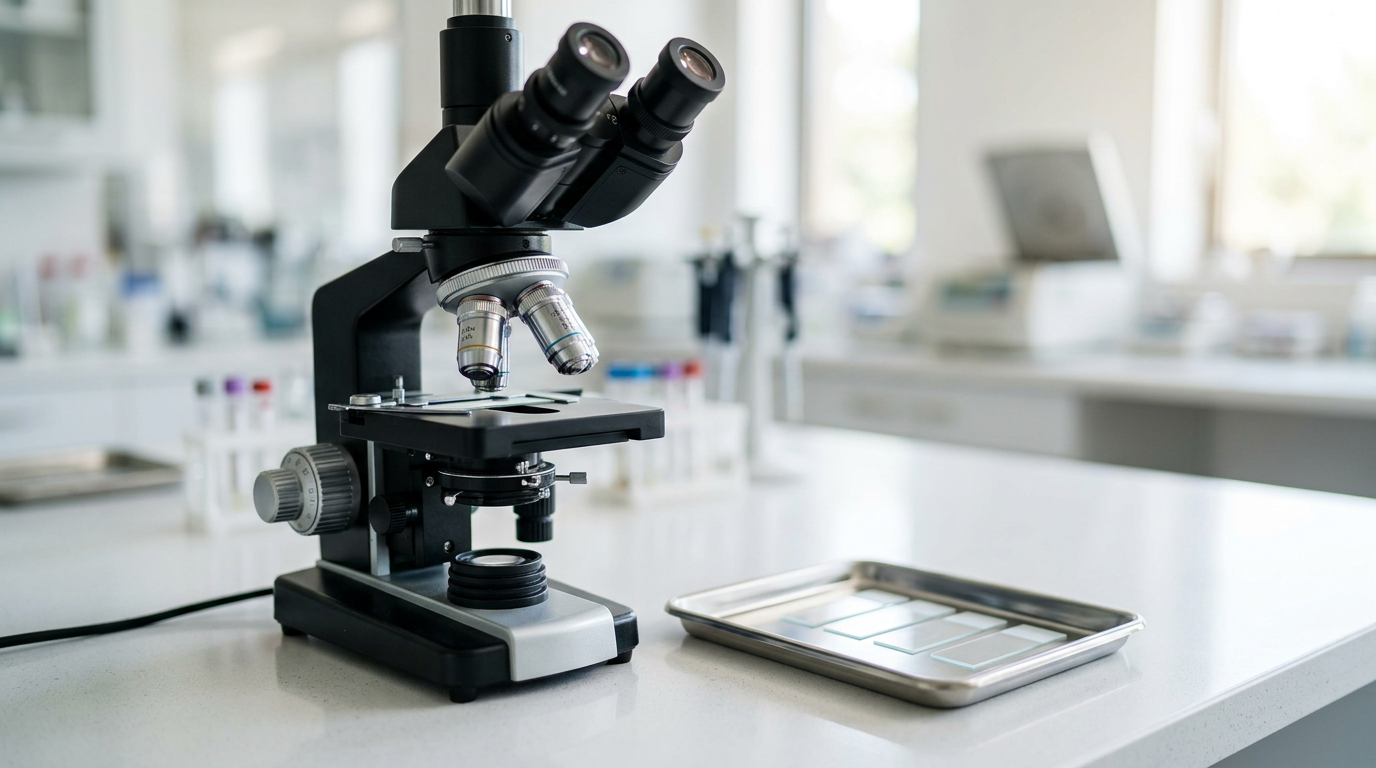
The veterinary team deploys a sophisticated, multi-layered protocol to restore comfort and address perianal dysfunction:
- Comprehensive Wellness Exams: Doctors conduct meticulous manual evaluations of the pelvic region, checking gland size, checking for hidden structural blockages, and identifying localized tissue changes before an infection takes hold. Learn more about our approach during a dog wellness exam.
- Advanced Diagnostic Testing and Cytology: If a gland shows signs of active inflammation, the clinical team harvests a small fluid sample for immediate microscopic evaluation. Identifying specific bacterial strains allows the doctor to prescribe targeted, effective medications rather than broad-spectrum guesses.
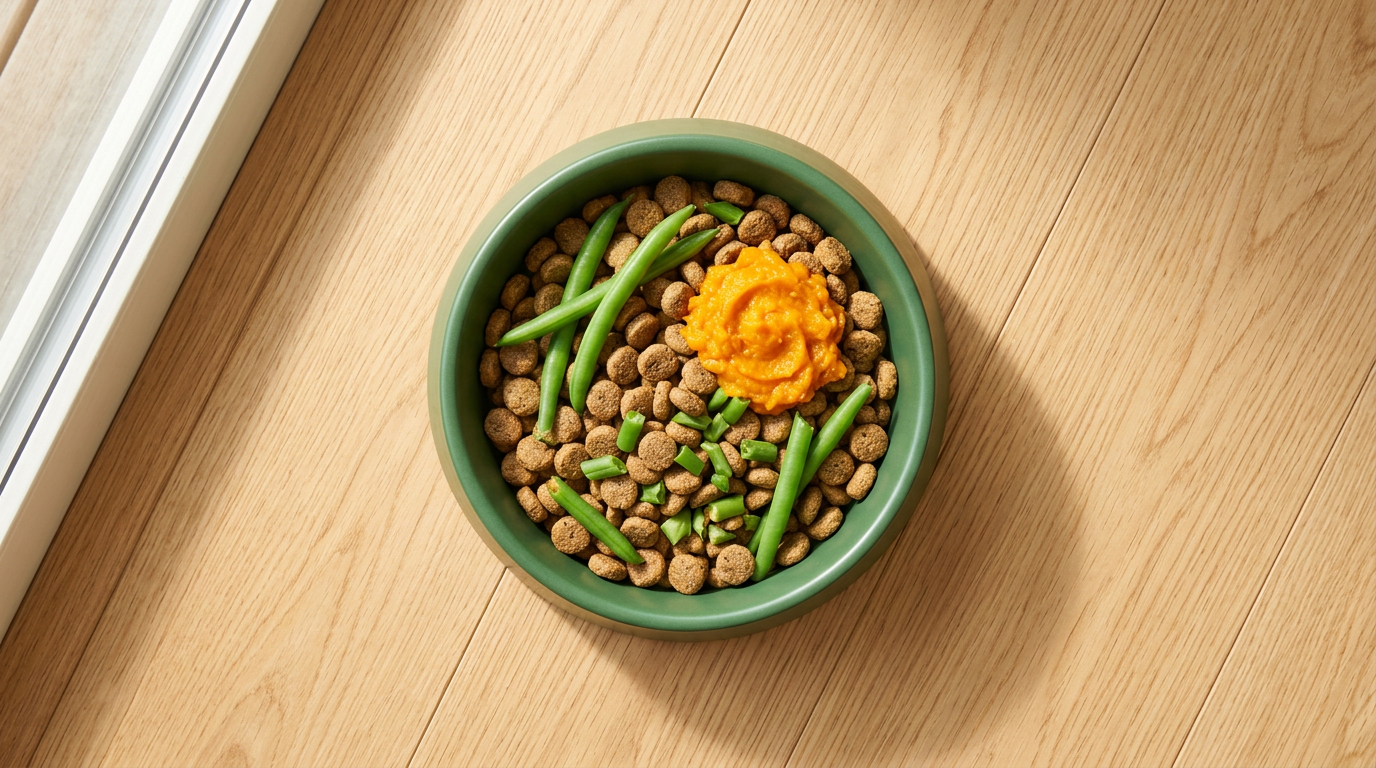
- Preventative Nutritional Counseling: Resolving chronic soft stools requires professional dietary adjustments. Veterinarians work with families to analyze baseline proteins, add specific natural fibers to the diet, and manage body weight to ensure natural, firm stools that empty the sacs naturally.
- Surgical Excellence and Extraction Protocols: For patients suffering from permanent structural damage, severe scar tissue, or continuous recurring infections, the hospital provides specialized surgical removal of the sacs, an intricate procedure known as an anal sacculectomy.
- Routine Preventive Care: Integrating vital vaccinations and advanced dental cleanings into the pet’s regular schedule optimizes overall immune function, helping the body naturally suppress opportunistic pathogens before they spread.
The Straight-Shooter Tigard and Beaverton Canine Hygiene FAQ
How do local pet owners choose a top-tier animal hospital in Tigard or Beaverton equipped to handle recurrent gland issues safely?
Selecting the right primary care provider for chronic or recurring issues requires finding a team that looks beyond quick fixes. A standard grooming facility or general practice might simply express the sacs repeatedly without addressing the underlying clinical cause. The team led by Dr. Hadi at Nimbus Pet Hospital uses an analytical, diagnostic approach to discover exactly why the natural drainage mechanism is failing. By evaluating dietary factors, structural conformation, and potential underlying allergies, the clinic builds a long-term plan to fix the problem permanently rather than just managing a repeating symptom.
What specific procedures take place during a professional manual expression at the SW Nimbus Ave facility?
A professional expression at our modern facility on SW Nimbus Ave is handled with absolute precision and compassion to ensure minimal stress for the animal. Unlike grooming salons that often utilize external squeezing techniques, which can bruise delicate surrounding tissues and fail to empty the sacs completely, our veterinary staff performs a precise internal manual manipulation. Using a lubricated, gloved finger, the technician or doctor gently palpates the sac from the inside and outside simultaneously. This clinical method allows for the complete, safe evacuation of thick or impacted fluid while protecting the delicate rectal sphincter muscles from unnecessary trauma.
Can routine nutritional counseling during a dog wellness exam eliminate the need for manual expressions?
Proactive dietary management during an annual physical checkup is often the most effective way to eliminate chronic fluid accumulation. During a comprehensive exam, our veterinarians perform precise weight evaluations and analyze canine gastrointestinal health. By adjusting baseline protein sources, introducing highly targeted natural fibers, and achieving an ideal body condition score, the consistency of the stool can be significantly improved. Creating firm, bulky bowel movements allows the dog’s own body to apply the required mechanical pressure to drain the scent sacs naturally during defecation, removing the need for frequent clinical visits.
What are the weekend hours for securing a hygiene or checkup visit on SW Nimbus Ave?
Sudden pet discomfort frequently develops outside normal business hours, making flexible scheduling an necessity for local families. Our modern hospital clinic on SW Nimbus Ave provides an accessible seven-day scheduling framework to accommodate busy households across Beaverton and Tigard. Staff members operate the facility from 8am to 5pm during the week, from 8am to 3pm on Saturdays, and from 8am to 1pm on Sundays. This weekend availability ensures that if a dog begins scooting or showing rear-end distress over the weekend, the family can secure a prompt, stress-free clinical visit without facing the extended wait times and high costs of a regional emergency room.
Clear the Discomfort: Lock in Reliable Care on SW Nimbus Ave
Allowing a canine companion to deal with chronic perianal pressure while hoping the issue resolves on its own places their health and daily comfort at serious risk. Attempting to ignore persistent scooting or trying to perform expressions at home without professional training often results in painful rectal tears, incomplete drainage, or ruptured abscesses. The specialized team at Nimbus Pet Hospital stands ready to deliver modern, compassionate, and definitive care to break the cycle of discomfort for good. Ditch the temporary fixes, protect your pet from severe internal pressure, and put a dominant local team to work. Visit nimbuspet.com or call the clinic on SW Nimbus Ave right now to book a comprehensive wellness evaluation and secure the lasting comfort your dog deserves.