
The Silent Agony: Unmasking Your Cat’s Secret Dental Torment
Domestic felines frequently mask severe internal medical conditions while maintaining an outwardly calm demeanor. This behavior is rooted in an evolutionary survival instinct inherited from solitary wild ancestors. In natural ecosystems, displaying physical weakness, injury, or visible illness transforms a predator into easy prey for larger competitors. Although modern domestic cats live in the safety of comfortable homes throughout Tigard and Beaverton, their basic genetic programming remains unchanged. Consequently, a feline companion can live with significant physical distress for months or years without crying out or dropping obvious clues.
Table of Contents
- Eaten From Within: The Destructive Biology of Resorptive Lesions
- Subtle Clues of Severe Discomfort: Catching the Whispers of Feline Oral Pain
- The Subsurface Hazard: Why Surface-Level Mouth Checks Tell a Lie
- Advanced Feline Dentistry: How the Nimbus Medical Team Eradicates Hidden Pain
- The Straight-Shooter Tigard and Beaverton Cat Dental FAQ
- Stop the Silent Suffering: Secure Your Cat’s Oral Health on SW Nimbus Ave
Among the various hidden conditions that impact household pets, oral pathology stands out as one of the most widespread and agonizing. Feline tooth resorption represents a quiet emergency developing inside the mouths of countless companion animals. This disease involves a process where a cat’s own body mistakenly begins to dissolve its dental structures from the inside out. While an animal appears perfectly content lounging on a windowsill or sleeping on a rug, it may simultaneously cope with exposed nerve roots and raw tissue every time it attempts to chew.
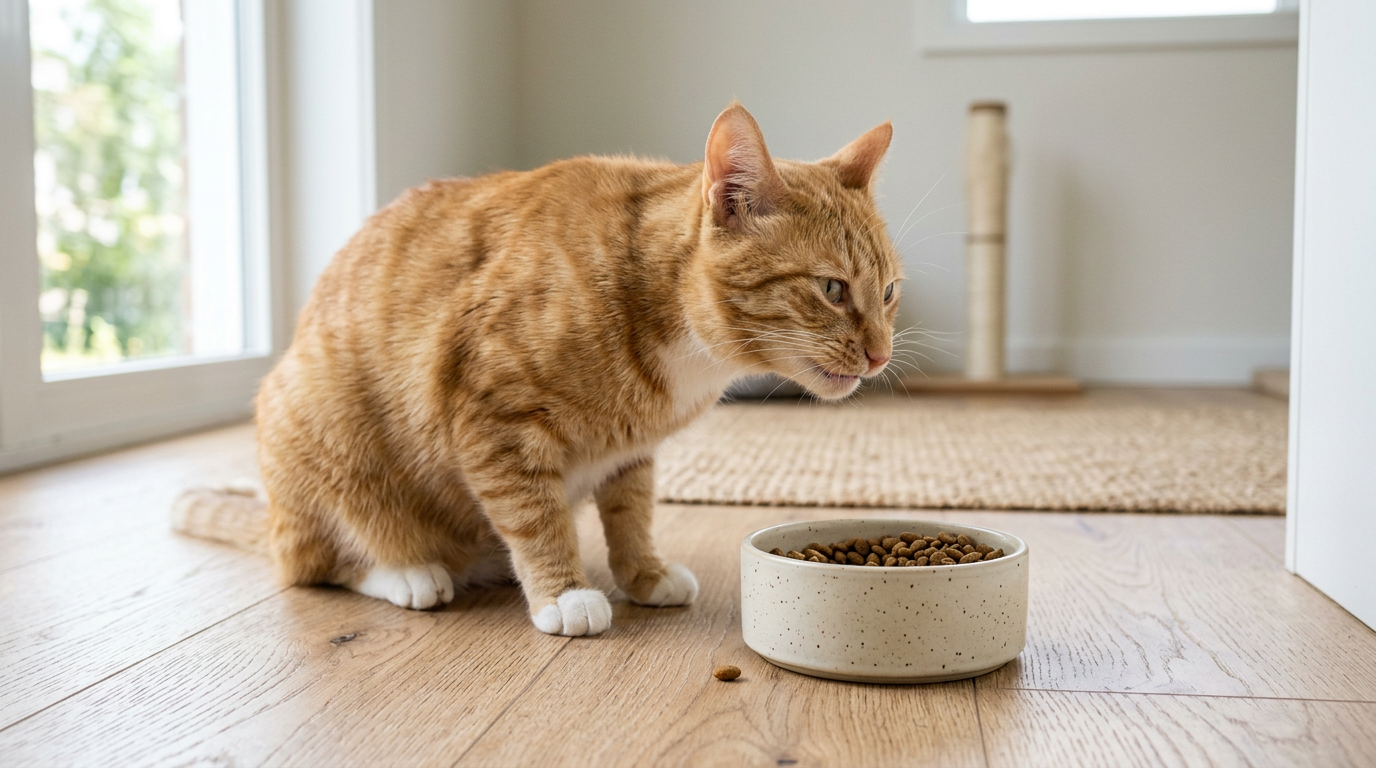
Feline owners across the Tualatin Valley must look past the illusion of a normal routine. Assuming a cat is completely healthy simply because it continues to visit the food bowl is a common diagnostic mistake. Independent veterinary practices frequently care for patients that have hidden severe oral lesions until the disease reached an advanced stage. Understanding the true nature of this hidden oral condition is the first step toward breaking the cycle of discomfort. Prioritizing regular, professional veterinary evaluations on SW Nimbus Ave stands as a time-sensitive requirement to protect a pet’s long-term well-being and safeguard its systemic health.
Eaten From Within: The Destructive Biology of Resorptive Lesions
Comprehending the severity of feline tooth resorption requires a close look at the destructive biological event occurring inside the mouth. This condition does not mirror human cavities, which develop when external bacteria feed on residual sugars and manufacture acid that erodes enamel from the outside. Instead, feline tooth resorption is an auto-destructive cellular process. The primary driver of this condition is a malfunction involving specialized cells called odontoclasts.
Under normal, healthy circumstances, odontoclasts perform a vital function during an animal’s early development by absorbing the roots of deciduous baby teeth to make way for permanent adult dentition. Once adult teeth settle into place, these cells should permanently go dormant. In many adult cats, however, these cells reactivate inappropriately. Instead of remaining quiet, the overactive odontoclasts turn on the animal’s own body, attacking and dissolving healthy adult enamel, the underlying dentin layer, and the internal pulp canal.
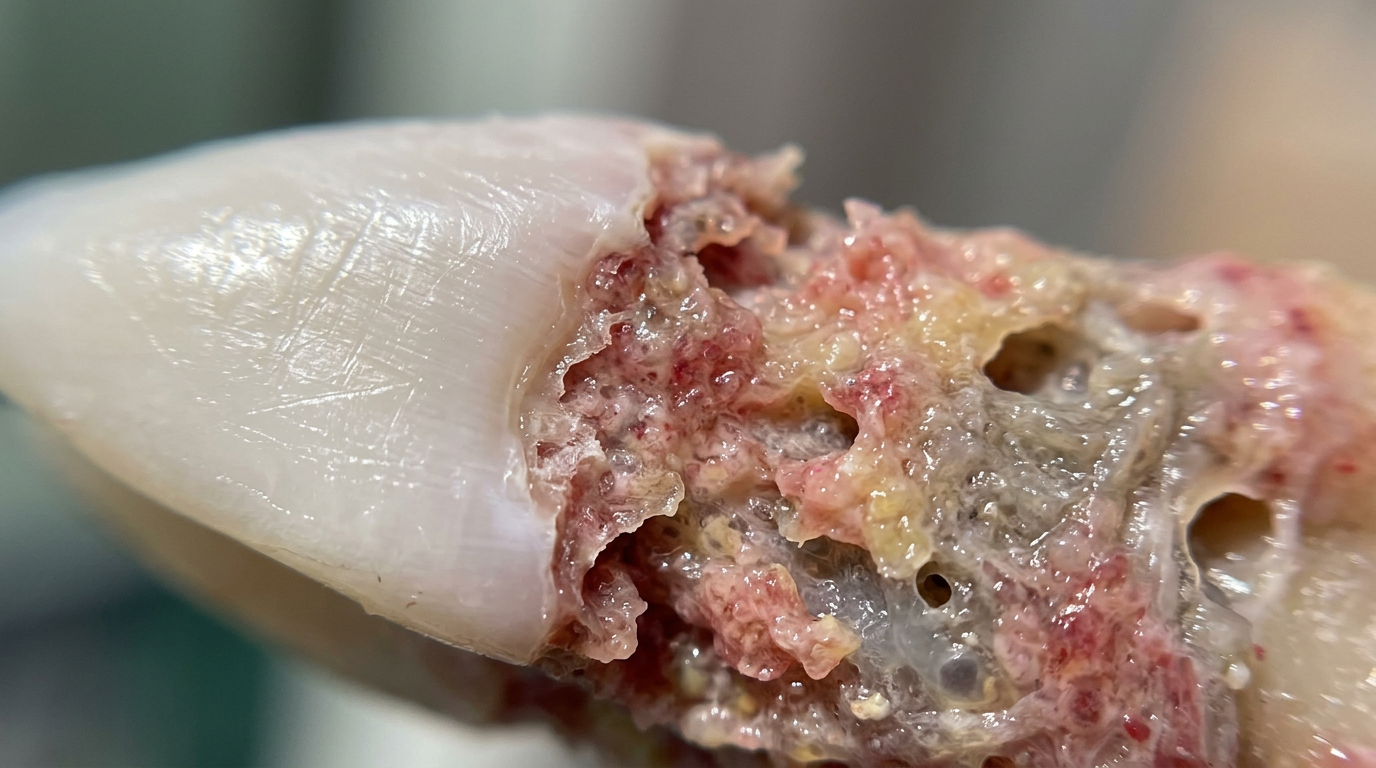
The pain associated with this disease escalates rapidly as the cellular erosion breaches the outer protective layers of the tooth structure. The internal pulp canal houses the tooth’s live nerve endings and delicate blood vessels. When the resorptive process breaks into this chamber, highly sensitive nerves become completely exposed to the friction of food particles, fluctuating moisture levels, and natural oral bacteria. The body often attempts to fix this structural damage by filling the newly formed holes with highly vascular granulation tissue, which appears as bright red, inflamed gum tissue growing over the white crown. This tissue is incredibly sensitive and bleeds easily, turning ordinary meals into a source of sharp, throbbing nerve pain. Changing diets or brushing the teeth cannot halt this progressive tissue destruction, making professional medical care the only valid path to relief.
Subtle Clues of Severe Discomfort: Catching the Whispers of Feline Oral Pain
Because cats naturally hide their suffering, identifying an oral crisis requires owners to become careful behavioral observers. Discomfort rarely manifests as obvious vocalizations until the disease reaches a severe stage. Instead, the signs appear as minor, easy-to-miss shifts in daily habits, particularly during feeding routines.
Observing a pet during meals provides the most reliable indicators of hidden oral lesions. Owners must monitor their companions closely and look for these specific behavioral modifications:
- Sudden food avoidance or a sudden preference for wet food over hard kibble due to the painful mechanical pressure of crunching dry biscuits.
- Dropping pieces of food directly from the mouth while eating, tilting the head to an extreme angle to chew strictly on one side of the jaw, or swallowing kibble entirely whole without chewing.
- Sudden jaw-chattering motions, visible swallowing difficulties, or hissing and running away from the food bowl immediately after taking a single bite of food.
- Uncharacteristic irritability, social withdrawal, hiding in dark closets or under furniture, and resisting gentle chin scratches or face rubs from family members.
- A rapid decline in personal grooming habits, resulting in a dull, unkempt, or matted fur coat, frequently accompanied by excessive drooling or saliva stained with small drops of blood.
When these behavioral shifts occur, they indicate that the oral disease has already progressed past a mild stage. A cat displaying these symptoms is actively managing significant discomfort. Recognizing these changes early allows families to secure veterinary care before the underlying tissue loss causes the tooth crown to fracture entirely, which leaves broken, infected root tips permanently trapped beneath the gumline.
The Subsurface Hazard: Why Surface-Level Mouth Checks Tell a Lie
A common logistical misconception among pet owners is the belief that a quick visual check of a cat’s mouth during a routine look-over is enough to confirm oral health. Gentle lifting of a cat’s lips might reveal visible crowns that look relatively white and free of heavy brown tartar, leading to the false assumption that everything is healthy. This visual evaluation can be highly misleading. Feline tooth resorption regularly begins deep beneath the gumline, completely shielded from the naked eye.
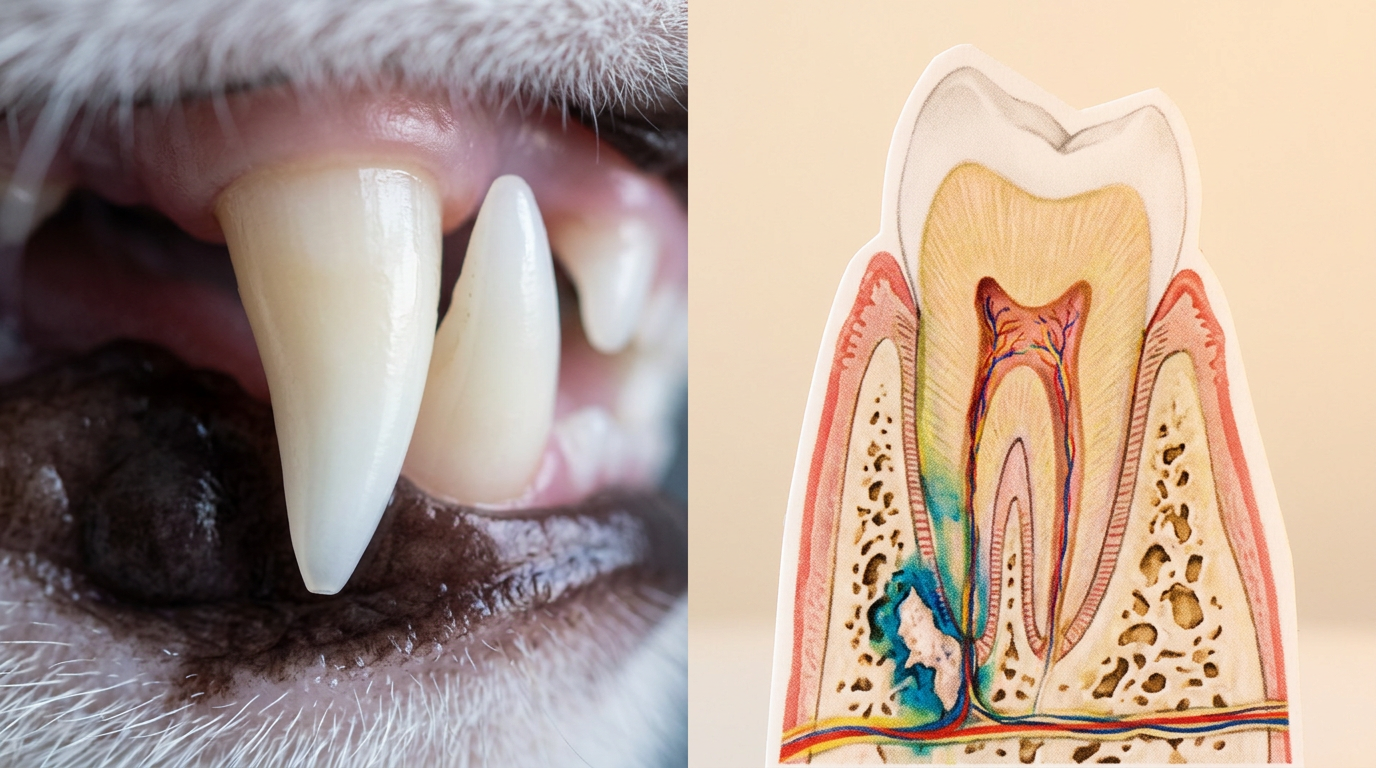
Veterinary professionals categorize this disease into distinct types based on how the destruction progresses through the tooth structures. In Type 1 resorption, the inflammatory destruction attacks the crown and neck of the tooth while the root structure remains largely defined. In Type 2 resorption, the cellular breakdown focuses heavily on the roots, systematically dissolving the normal dental tissue and replacing it with a bone-like material that fuses the tooth directly to the surrounding jawbone.
A tooth suffering from Type 2 resorption can feature a perfectly solid, white, and seemingly healthy crown above the gumline while the root structure underneath is actively turning into mush. As the internal root structure disappears, the periodontal ligament space vanishes, and the tooth loses its regular identity. A standard visual inspection cannot identify this subsurface degeneration. Attempting to evaluate feline dental health without specialized imaging tools means missing a significant portion of active oral disease, leaving the animal exposed to hidden, unmanaged nerve pain. High-definition digital dental radiography stands as the only scientifically valid method to locate this hidden decay before the teeth fracture completely.
Advanced Feline Dentistry: How the Nimbus Medical Team Eradicates Hidden Pain
Resolving the pain of resorptive lesions requires a sophisticated, diagnostic-driven medical approach. Nimbus Pet Hospital, located on SW Nimbus Ave, serves as a primary, modern pet care facility for families across Tigard and Beaverton. The clinical philosophy focuses on combining advanced technology with compassionate, specialized protocols to identify hidden oral diseases and eliminate dental discomfort permanently. As an independent veterinary practice, the medical team treats feline dentistry with clinical precision, looking past surface appearances to protect each patient’s systemic health.
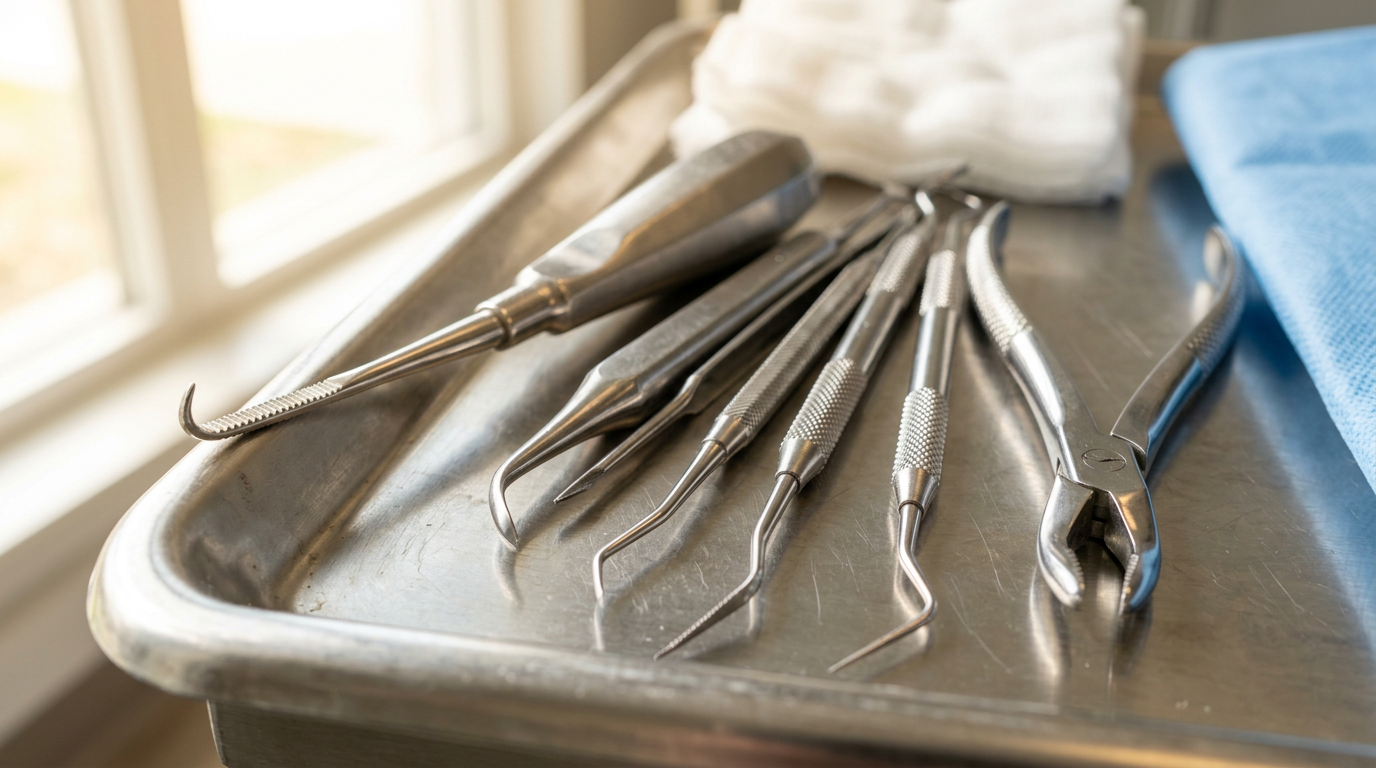
The hospital uses a modern, multi-layered approach to diagnose and cure feline tooth resorption safely:
- Comprehensive Feline Wellness Exams: Doctors perform careful physical evaluations, checking for subtle visual markers like focal gingivitis, which manifests as a bright red line along the margin of a single tooth where inflamed gum tissue is attempting to cover a resorptive hole.
- State-of-the-Art Digital Dental Radiography: Because visual checks cannot see beneath the gums, the team uses digital dental X-rays to capture high-definition images of every root structure, allowing veterinarians to see hidden root dissolution and plan surgical steps accurately.
- Tailored Feline Anesthesia Protocols: Feline dental procedures demand complete immobility and absolute pain control, which is why the hospital uses modern, highly safe anesthesia plans combined with continuous electronic monitoring of vitals like blood pressure, oxygen levels, and heart rate.
- Surgical Excellence in Extractions: When Type 1 resorption destroys a tooth, the doctor uses specialized surgical instruments to carefully remove the entire compromised structure, including the damaged root tips, preventing future localized bone infections.
- Advanced Crown Amputations: If digital X-rays confirm a Type 2 scenario where the root has already turned into bone-like material, the surgeon performs a precise crown amputation, smoothing down the remaining structure and closing the gum tissue cleanly over the site to permanently stop nerve exposure.
- Routine Preventive Cleanings: Regular scaling and polishing under anesthesia remove regular plaque and tartar accumulations, reducing overall oral inflammation and supporting the feline immune system.
By utilizing these modern dental practices, the veterinary team removes the source of chronic oral pain entirely. Cats that have undergone proper treatment for resorptive lesions frequently demonstrate a remarkable surge in energy, a return to playful behavior, and improved weight gain within days of their procedure, validating the immense value of addressing hidden dental diseases.
The Straight-Shooter Tigard and Beaverton Cat Dental FAQ
How do local pet owners choose a top-tier animal hospital in Beaverton or Tigard for specialized cat dental care?
Selecting the right provider for feline dental care requires finding a hospital that prioritizes advanced imaging technology over simple visual checks. A clinic that does not use digital dental X-rays during every single dental cleaning cannot properly evaluate a cat’s mouth. The medical team led by Dr. Hadi at Nimbus Pet Hospital uses modern digital dental radiography as a standard component of feline oral health assessments. This diagnostic equipment allows the doctors to see straight through the gumline, catching subsurface root dissolution and hidden structural holes before they break through the enamel and cause an emergency.
What exact steps occur when a feline undergoes a comprehensive dental procedure at the SW Nimbus Ave facility?
The dental surgical process at the SW Nimbus Ave facility is structured to maximize safety and eliminate pain at every stage. Before any procedure, the clinical team performs a complete pre-anesthetic blood screening to evaluate organ function and ensure the cat can process the medications safely. Once the patient is gently anesthetized and monitored by electronic sensors, a full set of digital dental X-rays is captured. The surgeon reviews these images to determine if a tooth requires a complete surgical root extraction or a crown amputation. Before making any incisions, local nerve blocks are injected to numb the oral pathway completely. This step ensures the cat remains comfortable and experiences a smooth, low-stress recovery.
Can a standard annual wellness exam catch feline tooth resorption before severe symptoms start?
Regular physical examinations are highly effective for catching the early warning signs of oral disease before a cat completely gives up on food. During a routine wellness check, veterinarians examine the mouth for specific localized red flags, such as hyperplastic gingivitis, where a small loop of bright red, inflamed gum tissue begins to grow upward onto the white enamel of a tooth. While this visual check cannot replace dental X-rays, it allows the clinical team to flag problematic teeth early and recommend a complete diagnostic dental procedure before the lesions cause a severe, painful fracture.
What are the scheduling options at Nimbus Pet Hospital for busy working owners who need a feline oral health check?
The modern hospital facility on SW Nimbus Ave features comprehensive seven-day scheduling availability designed to make veterinary care accessible and stress-free for local families. Staff members operate the clinic from Monday through Sunday, providing convenient options for working pet parents across Tigard and Beaverton. The hospital functions from 8am to 5pm during the week, 8am to 3pm on Saturdays, and 8am to 1pm on Sundays. This extensive weekly scheduling ensures that if an owner notices subtle shifts in a cat’s eating habits over the weekend, they can secure a prompt appointment without waiting for a weekday opening or facing the high costs of a regional emergency hospital.
Stop the Silent Suffering: Secure Your Cat’s Oral Health on SW Nimbus Ave
Allowing a feline companion to live with unmanaged oral disease places a massive, continuous strain on their physical health and comfort. Cats are built to hide their suffering, meaning they will continue to visit the food bowl and interact with their families even while dealing with the constant pain of dissolving teeth and exposed nerves. Waiting for obvious signs of distress like total food refusal means waiting until structural damage is severe and advanced. Take a proactive, compassionate step to protect your pet’s well-being. Stop ignoring subtle behavioral shifts, move past simple visual checks, and put an expert team to work. Contact the dedicated medical team at Nimbus Pet Hospital right now by visiting nimbuspet.com or calling the clinic on SW Nimbus Ave to secure a comprehensive feline dental consultation today.