
Shaking It Off: Why Standard Ear Remedies Keep Failing Your Pup in the Pacific Northwest
A dog constantly shaking its head, flapping its ears, or scratching frantically at its face is a clear sign of distress. While a quick ear cleaning might offer temporary relief, the symptoms almost always return within a few weeks. This repetitive cycle happens because isolated ear infections are rare in canine medicine. Instead, chronic, recurring ear issues are typically a primary red flag for systemic allergic reactions.
Table of Contents
- The Internal Trigger: Connecting the Dots Between Sensitive Skin and Red, Raw Canals
- Environmental Irritants and Kitchen Culprits: Identifying What Triggers Your Dog’s Immune Response
- Escaping the Ointment Cycle: Why Relying on Quick-Fix Ear Drops Backfires Long-Term
- Targeted Dermatology and Wellness Protocols: How the Nimbus Team Breaks the Cycle
- The Straight-Shooter Tigard and Beaverton Pet Care FAQ
- Stop Patching the Symptoms: Secure Comprehensive Wellness at Nimbus Pet Hospital
Living in the Tigard and Beaverton areas compounds this problem significantly. The damp, pollen-heavy climate of the Tualatin Valley exposes local dogs to a continuous barrage of environmental triggers. Treating the ear canal alone merely patches over a symptom while leaving the root cause untouched. It is an expensive loop that builds up antibiotic resistance and leaves a pet in silent, ongoing pain. Long-term relief requires shifting the medical focus from the ears to the canine immune system.
The Internal Trigger: Connecting the Dots Between Sensitive Skin and Red, Raw Canals
Canine ear anatomy explains why standard topical remedies fail over time. The canine ear canal is lined entirely with specialized skin, meaning it contains the same blood vessels, mast cells, and histamine receptors as the skin on a dog’s belly or paws. When an allergic reaction fires up inside the body, the tissue inside the ears inflames in unison with the rest of the skin barrier.
The physical progression of an allergy-induced ear flare-up follows a highly predictable, destructive pathway:
- An internal allergy trigger sparks localized skin inflammation.
- The delicate lining of the ear canal becomes red, hot, and swollen.
- Because a dog’s ear canal features a deep, vertical-to-horizontal L-shape, air circulation drops instantly.
- The swollen canal traps heat and moisture, creating a dark, humid environment.
This internal microclimate serves as an incubator for microscopic organisms. Natural populations of yeast, specifically Malassezia, and common skin bacteria like Staphylococcus live on healthy canine skin without causing issues. However, the moment allergy-induced inflammation alters the internal climate of the ear, these resident organisms multiply at an explosive rate. The resulting dark discharge, painful swelling, and foul odor represent a secondary side effect of the environmental change. The microbes did not cause the initial inflammation; they simply moved into a perfect breeding ground created by an underlying immune system fault.
Environmental Irritants and Kitchen Culprits: Identifying What Triggers Your Dog’s Immune Response
Pet parents dealing with canine allergies are typically fighting one of two primary clinical triggers, both of which require distinct veterinary management protocols.
Environmental allergies, medically known as atopic dermatitis, are incredibly prevalent across the Pacific Northwest. The local climate encourages distinct plant profiles to bloom heavily, sending microscopic particles into the air. Tree pollens from local species like alder, birch, oak, and cedar create heavy immune reactions during the spring months. Wild grasses dominate the summer landscape across Washington and Clackamas counties, while the native dampness of the region allows mold spores to thrive in outdoor leaf piles and indoor spaces year-round. Additionally, house dust mites live continuously inside carpets, bedding, and soft fabrics, acting as a constant indoor irritant. When these particles penetrate the skin barrier, an overactive immune system launches a massive inflammatory defense that targets the skin and ears.
Cutaneous food sensitivities represent the second major driver of chronic ear issues. While popular marketing often blames grains like corn or wheat, scientific data shows that dogs almost always react to specific protein sources in their food. Chicken, beef, dairy, lamb, and egg proteins are the top medical offenders. When a dog possesses a food sensitivity, the digestive tract triggers an immune response that manifests as chronic skin and ear irritation. Unlike seasonal environmental allergies, food sensitivities cause persistent, year-round distress that does not improve when the weather changes.
Determining whether a dog is battling a systemic allergy requires monitoring the entire body for secondary warning signs. Common symptoms include:
- Obsessive licking, chewing, or grooming of the paws, which often leaves the fur stained a rusty brown color due to porphyria enzymes in canine saliva.
- Red, raw, pimple-like rashes spreading across the lower belly, groin, or inside the armpits.
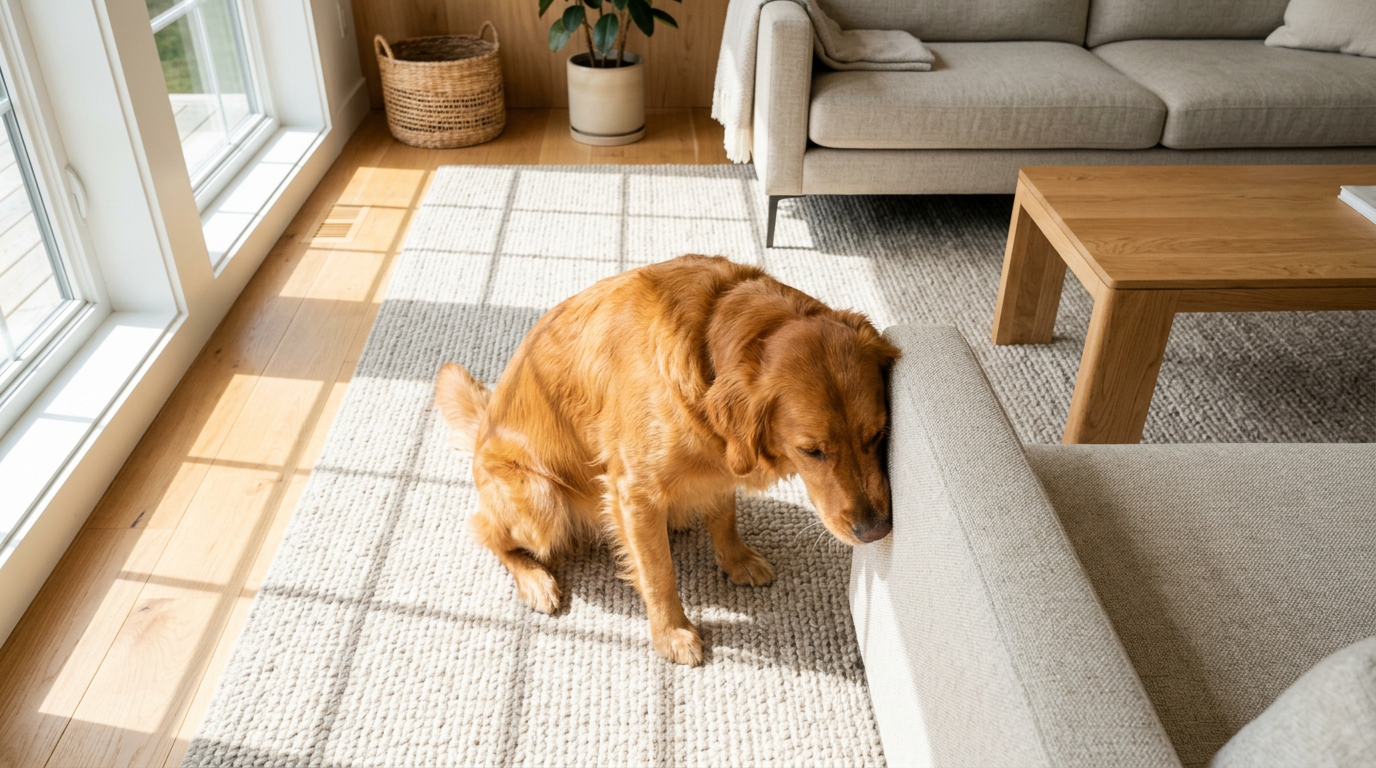
- Constant rubbing of the muzzle, chin, and eyes against rough carpets, grass, or the edges of furniture.
- Persistent scratching, biting, or fur loss around the base of the tail and the lower back.
- A distinct, pungent, corn-chip or musty body odor that returns just a few days after a thorough bath.
Escaping the Ointment Cycle: Why Relying on Quick-Fix Ear Drops Backfires Long-Term
Relying on a continuous cycle of over-the-counter ear flushes or temporary prescription ointments creates a problematic medical loop. Applying an antibiotic or antifungal drop into a red ear successfully kills off the current generation of yeast and bacteria. The ear looks cleaner, the scratching slows down, and the problem appears resolved. However, because the underlying allergy continues to cause internal inflammation, the ear canal remains hot and humid. The very moment the drops stop, the microflora begins to multiply all over again, causing a complete relapse within weeks.

This repetitive cycle causes long-term physical damage to a dog’s auditory structures. Chronic, unmanaged inflammation forces the tissue lining the ear canal to undergo a permanent cellular defense mechanism. The skin walls thicken significantly, a process known as hyperplasia, and the internal space narrows down to a tiny, microscopic slit, known as stenosis. The specialized glands inside the ear begin producing excessive amounts of thick, dark wax, while the delicate cartilage surrounding the canal slowly hardens into solid bone.
Once an ear canal reaches this advanced stage of calcification, topical drops can no longer physically penetrate the deep horizontal canal. The trapped infection becomes a permanent, agonizing pressure cooker inside the dog’s skull. At this late stage, standard medical therapies are completely ineffective.
The only remaining clinical path to relieve the animal’s pain is an aggressive surgery known as a Total Ear Canal Ablation and Ventral Bulla Osteotomy. This procedure requires a veterinary surgeon to physically remove the entire bony ear canal, permanently altering the dog’s anatomy. Escaping this traumatic outcome requires moving past surface-level treatments and establishing an internal medical strategy that stops the allergic cascade before it alters the physical structures of the ear.
Targeted Dermatology and Wellness Protocols: How the Nimbus Team Breaks the Cycle
Resolving chronic ear issues requires an analytical, diagnostic approach that prioritizes long-term systemic wellness over quick fixes. Nimbus Pet Hospital, located on SW Nimbus Ave, serves as a primary care destination for families across Tigard and Beaverton. The clinical philosophy focuses on utilizing modern veterinary technology and compassionate, customized care to locate the true root causes of a pet’s ongoing discomfort. By viewing each dog as a whole patient, the medical team builds tailored treatment protocols that stop the allergic cycle permanently.
The veterinary team deploys five core medical pathways to restore a dog’s health and protect their ears:
- Comprehensive Wellness Exams: Doctors spend the necessary time reviewing a dog’s complete medical history, charting the exact seasonal timing of flare-ups, and conducting full-body dermatological scans to map out allergy patterns across the skin barrier during a standard wellness exam.
- Advanced Diagnostic and Allergy Testing: Precise ear cytology swabs performed during the visit identify the specific strains of bacteria or yeast involved under the microscope. If food sensitivities are suspected, the team provides expert guidance for strict elimination trials using specialized, prescription hydrolyzed protein diets.
- Custom Dermatology Management Plans: Modern, targeted therapies block the allergic cascade safely. This includes utilizing advanced monoclonal antibody therapies that target the specific proteins responsible for sending itch signals to the brain, or using targeted daily oral therapies to calm skin inflammation without suppressing the entire immune function.

- Surgical Care and Diagnostic Imaging: If a dog’s ears have already suffered structural narrowing, advanced otoscopic tools and digital diagnostics allow the team to evaluate the middle ear, clear out deep debris, and open the canal paths safely under gentle sedation.
- Routine Preventive Care: Integrating vital vaccinations and essential dental cleanings into a pet’s routine optimizes baseline immune health, allowing the body to naturally defend against secondary opportunistic pathogens.
The Straight-Shooter Tigard and Beaverton Pet Care FAQ
How do I find a top-tier animal hospital in Tigard or Beaverton that handles complex, recurring issues?
Finding the right care provider for a chronic condition means looking for a clinic that rejects standard, cookie-cutter