
Challenging the Malice Myth: Why “Bad Intentions” Fail to Explain Altered Pet Behavior
Dogs and cats are completely incapable of acting out of spite, malice, or a desire for revenge. When an otherwise gentle dog suddenly shreds a favorite pair of shoes, or a meticulously trained cat deposits urine directly onto the living room rug, human owners frequently interpret these actions as calculated retaliation. It is easy to assume a pet is angry about a long day spent alone or a sudden shift in the household dynamic. This interpretation is a significant psychological misstep. Companion animals lack the complex prefrontal cortical structures required to process abstract grudges or execute retaliatory behaviors.
Sudden behavioral regressions and negative lifestyle shifts are almost always physical distress signals rather than training failures. When a pet displays a dramatic change in temperament or house manners, they are using the only tool at their disposal to communicate internal suffering. An animal cannot verbalize that an aching joint makes walking painful or that a brewing infection is causing internal pressure. Instead, the physical discomfort lowers their tolerance for daily stressors, manifesting externally as irritability, resistance, or destruction.
Misinterpreting these urgent medical cries for help as intentional behavioral defiance creates a double tragedy for the household. It delays essential clinical intervention, allowing a manageable physical condition to advance into a much more severe state. At the same time, treating a medical issue as a discipline problem damages the trust between an owner and an animal, introducing unnecessary environmental anxiety into a relationship that should be built on security. A sudden shift in a pet’s daily behavior requires a thorough clinical assessment before any training modifications are introduced.
Table of Contents
- The Hidden Cry for Help: Deciphering Sudden Aggression and Social Withdrawal
- Elimination Regressions and Chewing: Identifying Internal Medical Triggers Behind Household Destruction
- Clinical Investigations on SW Nimbus Ave: Uncovering the Physical Roots of Behavioral Shifts
- The Independent Advantage: Why Locally Owned Advocacy Protects Your Pet’s Complete Health Footprint
- The Washington County Behavioral Reference: Pressing Questions Answered by Local Practitioners
- Restoring Peace and Comfort to Your Companion’s Daily Routine
The Hidden Cry for Help: Deciphering Sudden Aggression and Social Withdrawal
Acute or chronic localized pain changes an animal’s entire perception of their environment, turning routine interactions into potential sources of physical trauma. In the wild, displaying vulnerability or physical weakness can draw predators, which has hardwired domestic pets to mask their discomfort through subtle behavioral adaptations. When the pain reaches a threshold where it can no longer be ignored, or when a human unknowingly presses on a highly sensitive area, the animal’s natural self-defense mechanisms take over, often resulting in sudden, unexpected aggression.
Skeletal wear, soft-tissue tears, and joint degeneration develop quietly beneath the surface. An adult dog or senior cat might suffer from progressive osteoarthritis, a condition that causes constant, dull inflammation within the joint capsules. Because the degeneration builds slowly, owners frequently miss the gradual loss of flexibility until a sudden movement sparks sharp, severe nerve pain. When an owner reaches down to pick up a pet or pat them in a seemingly normal spot, the contact can cause an agonizing jolt, prompting the pet to snap or hiss defensively.
Recognizing the transition from a physical ache to a behavioral change involves watching for highly specific warning signs during daily routines. Pet parents must actively observe how their animals move through the home and react to standard handling. The following physical indicators serve as clear indicators that an animal’s negative behavior is actually a cry for medical relief:
- Growling, flattening the ears, or snapping when a family member touches the lower back, hips, or paws. This defensive posture shows that the animal is anticipating physical pain from human contact.
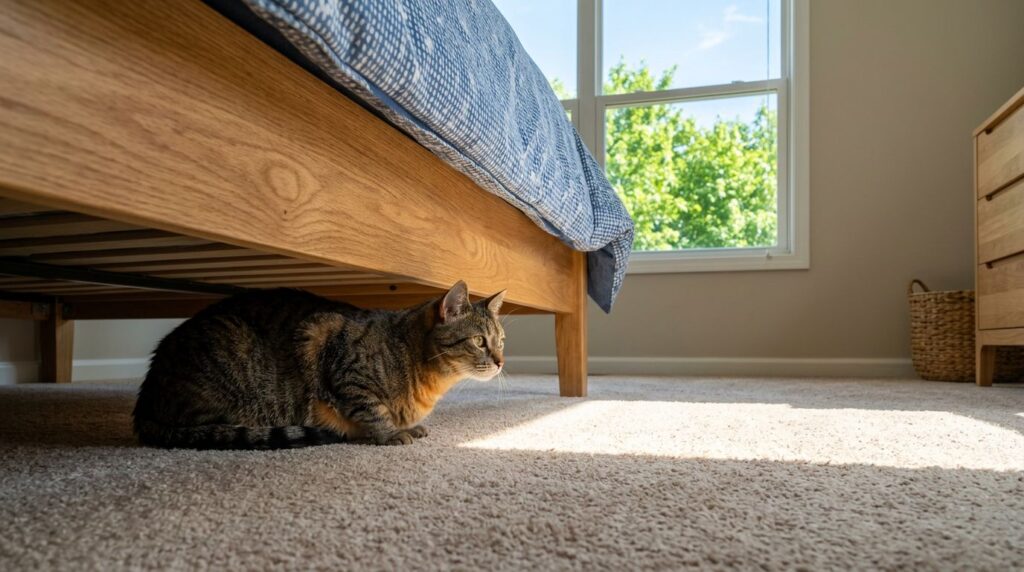
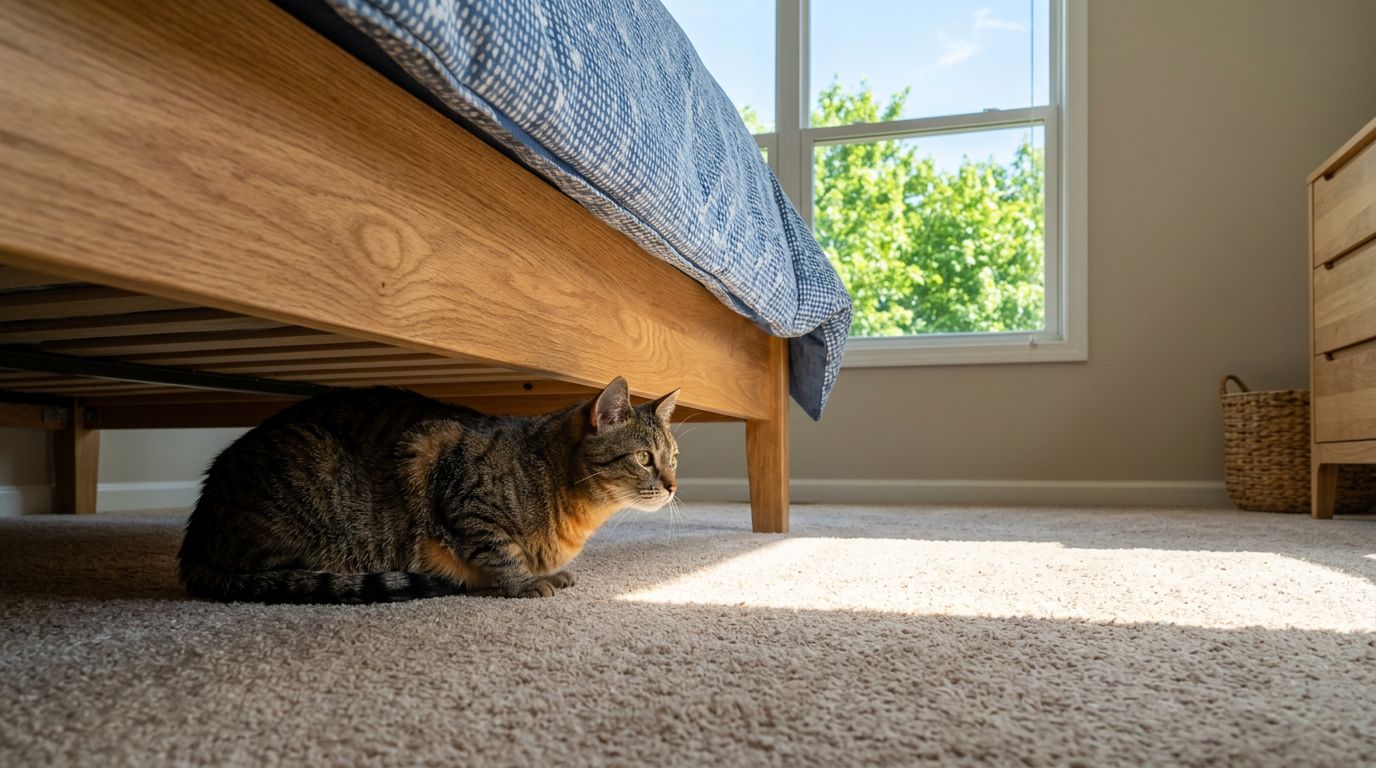
- Sudden avoidance of family spaces, choosing to sleep in hidden closets or beneath beds rather than interacting with the household. This social withdrawal is an instinctual attempt to isolate themselves while physically vulnerable.
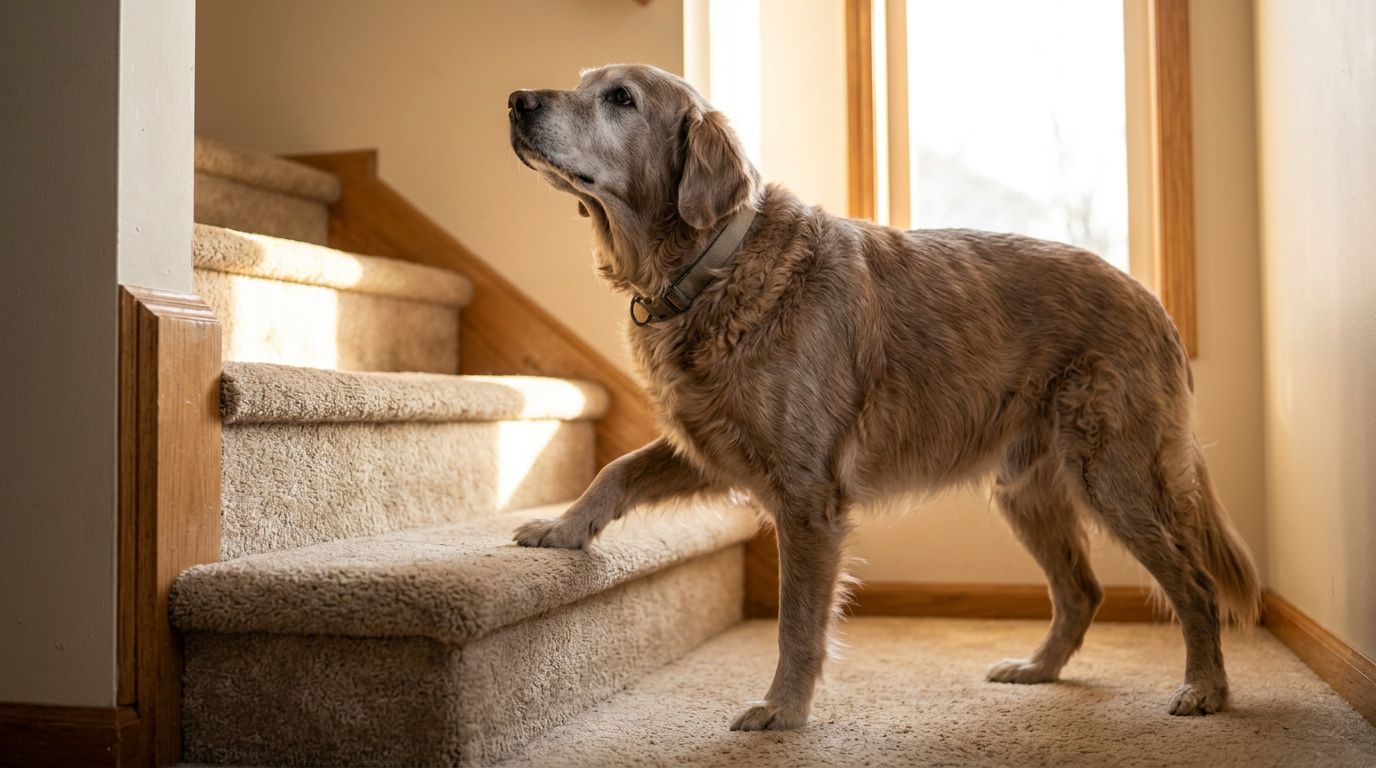
- An unexpected reluctance to climb stairs, jump onto a familiar couch, or stand up after a long rest period. These hesitations point directly to the stiffness and structural friction caused by progressive joint decay.
- Unprovoked vocalization, such as a sharp yelp or low whine, during normal movements or shifts in body position. These sounds occur when a routine adjustment forces an inflamed joint past its comfortable range of motion.
When an animal begins isolating themselves in remote corners of the home, it is a clear sign that they no longer feel capable of navigating the busy spaces of the household safely. They choose isolation because interacting with children or other pets carries too much risk of accidental physical contact. Ignoring these clear warning signs or assuming the pet is simply becoming grumpy with age leaves the underlying structural inflammation completely unmanaged, leading to a steady decline in both their physical mobility and mental well-being.
Elimination Regressions and Chewing: Identifying Internal Medical Triggers Behind Household Destruction
House-soiling is one of the most frustrating behavioral issues for pet families, frequently resulting in damaged property and high household stress. When an animal who has been perfectly house-trained for years begins eliminating outside of their designated area, owners often assume the pet is asserting dominance or ignoring their training out of stubbornness. From a clinical perspective, sudden house-soiling is a primary indicator of significant internal systemic distress or an overwhelming physical urgency that makes control impossible.
Urinary tract infections, bladder stones, and underlying metabolic conditions like diabetes or age-related kidney decline alter an animal’s internal chemistry. An active bacterial infection causes the lining of the bladder to become highly inflamed and hypersensitive, creating a constant, false sensation of fullness. The physical urgency comes on so quickly that the pet simply cannot wait for an owner to open the back door or walk to a distant litter box. In cats, this distress often leads to a condition called periuria, where the animal associates the litter box itself with the sharp pain of urination, driving them to seek out soft, alternative surfaces like beds, blankets, or laundry piles.
- Urinary tract infections cause rapid, uncontrollable bladder spasms that overpower standard house-training habits.
- Metabolic changes and kidney decline drastically increase water consumption, resulting in a volume of urine that surpasses natural holding capacity.
- Advanced periodontal disease and structural nerve damage within the jaw create a deep, constant throb that animals try to soothe through frantic biting.
- Fractured teeth or abscessed roots drive pets to chew on unusual, cold surfaces like metal crate bars or smooth baseboards to numb the pain.
Destructive chewing is another behavioral issue that is deeply rooted in physical discomfort. While a puppy chews to explore their world or ease teething discomfort, adult animals who chew destructively are often dealing with intense oral pain. Advanced periodontal disease is an incredibly common, silent condition that destroys the supportive structures around the teeth, causing loose roots, deep tissue infections, and constant nerve irritation.
When a pet experiences this continuous discomfort, they look for ways to distract their central nervous system from the painful signal. Chewing on hard, inappropriate objects provides a form of mechanical counter-pressure that temporarily numbs the deep throb within the jawbones. Owners might notice their pet obsessively gnawing on wooden table legs, baseboards, or the fabric of rugs. This is not a malicious attempt to destroy the home; it is a desperate, self-soothing action aimed at alleviating oral suffering.
Clinical Investigations on SW Nimbus Ave: Uncovering the Physical Roots of Behavioral Shifts
Resolving a persistent behavioral issue requires moving past surface observations and looking deep into your pet’s underlying anatomy. Nimbus Pet Hospital, located on SW Nimbus Ave, features an advanced medical environment designed to uncover the hidden physical causes of behavioral problems. Our clinic utilizes advanced diagnostic technology alongside compassionate care to determine whether an animal’s negative habits are driven by internal medical concerns.
Our comprehensive wellness examinations serve as the essential first step in this investigative process. When a pet family presents an animal with sudden behavioral changes, our veterinary team performs a complete physical evaluation, looking past the surface to map structural and metabolic health markers. We check joint flexibility, palpate internal organs for hidden swelling, and examine the oral cavity for hidden signs of decay, ensuring we gather the objective physical data needed to understand what is truly bothering your companion.
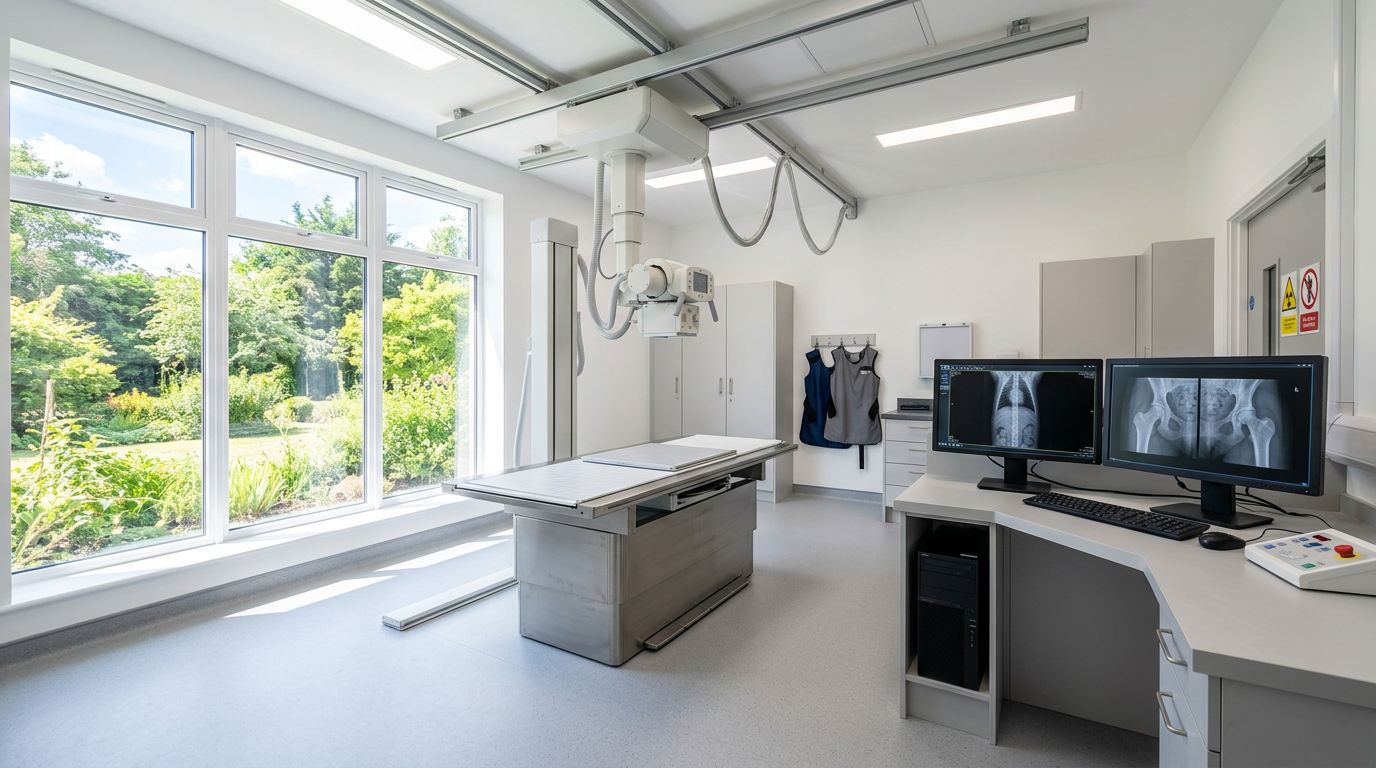
Our hospital features an advanced digital diagnostics suite that allows us to see inside your pet’s body with incredible precision. We use high-definition digital radiology to visualize structural anomalies, identify advanced osteoarthritis, and locate painful bone spurs that restrict movement. For soft-tissue evaluations, our precise ultrasound imaging allows our practitioners to examine internal organs in real time, checking for bladder stones, kidney changes, or hidden gastrointestinal tract inflammation that can cause sudden restlessness or elimination problems.
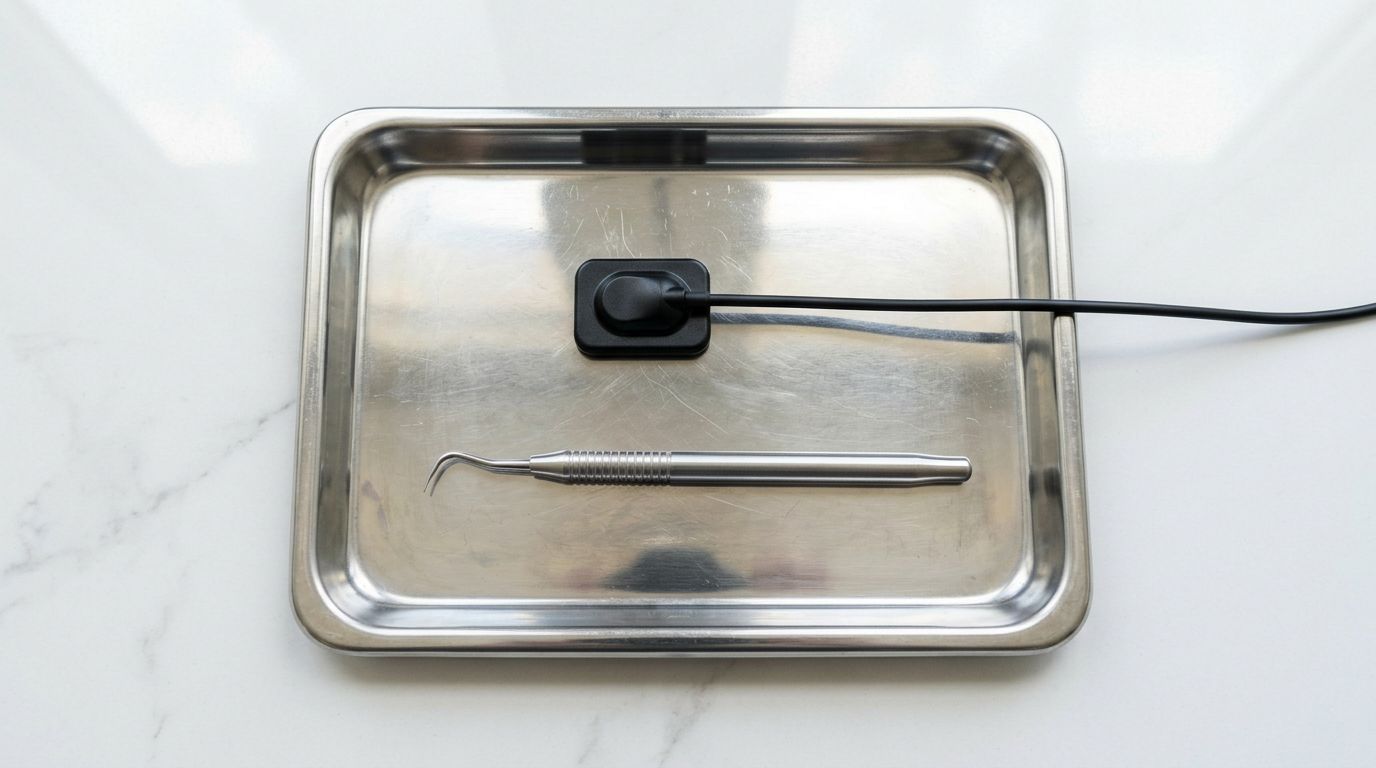
When our diagnostics reveal an underlying physical issue, our facility is fully equipped to deliver definitive medical and surgical solutions. Our advanced soft-tissue and orthopedic surgery capabilities allow our experienced veterinary surgeons to repair torn ligaments, extract painful internal obstructions, or stabilize damaged joints to restore comfort. Furthermore, our specialized dental care department addresses advanced periodontal disease, using digital dental X-rays to find hidden root infections and performing safe extractions to eliminate chronic oral nerve pain.
We also focus on keeping your pet fully protected through routine vaccinations and comprehensive parasite screenings. Microscopic parasites, tick-borne illnesses, and chronic heartworm infections cause significant internal fatigue, muscle aches, and behavioral drops that owners can easily mistake for sudden laziness or depression. By maintaining a complete, updated defense shield against these systemic threats, we keep your pet’s internal biochemistry stable, allowing them to remain active, comfortable, and focused on positive interactions with your family.
The Independent Advantage: Why Locally Owned Advocacy Protects Your Pet’s Complete Health Footprint
The ownership structure of your veterinary provider plays a fundamental role in the depth of care and individual attention your family receives during a medical crisis. In recent years, corporate consolidation has altered the veterinary field, with large national corporations buying up neighborhood practices across Washington County. These corporate facilities frequently manage their offices using standardized templates, rigid timing metrics, and sales scripts, which can leave little room for exploring complex, multi-layered issues like pain-induced behavioral changes.
Nimbus Pet Hospital operates on a fundamentally different, relationship-centered model. As a proudly independent, locally owned practice serving the Tigard and Beaverton communities, our facility answers directly to our clients and the animals we treat. Led by the trusted expertise of Dr. Jaina and Dr. Hadi, our medical team focuses entirely on personalized medicine. We do not use remote corporate algorithms; instead, we take the necessary time to sit down with you, take an extensive patient history, and look closely at every behavioral change your pet is experiencing.
This independent framework allows our doctors to investigate difficult, slow-moving health conditions with thorough precision. We look at behavioral shifts through a comprehensive lens, analyzing how your pet’s home environment, daily exercise routine, and physical milestones overlap. This detailed approach ensures we do not simply prescribe a generic sedative or advise an expensive trainer when your pet actually requires a targeted anti-inflammatory protocol or a professional dental extraction.
We maintain an unwavering commitment to providing fair, transparent pricing for all our diagnostic, preventative, and surgical services. We believe that securing high-tier veterinary advocacy should be an accessible, stress-free experience for local families, free from corporate sales pressure or hidden membership fees. When you bring your companion to our hospital on SW Nimbus Ave, you are gaining a dedicated lifelong partner who values your trust and treats your animal with the same patience, compassion, and medical excellence we give our own pets.
The Washington County Behavioral Reference: Pressing Questions Answered by Local Practitioners
How can a Tigard pet family safely evaluate whether a senior dog’s sudden nocturnal pacing is a cognitive training issue or a sign of joint discomfort?
Evaluating a senior dog’s nighttime restlessness involves looking closely at their transition movements and body symmetry. Cognitive decline can cause pacing and general confusion, but joint discomfort typically presents with specific physical tells, such as a slow, stiff rise from their bed, a hunched back while walking, or a heavy reliance on their front limbs for balance. If the dog pants heavily while pacing or struggles to find a comfortable resting position on their side, they are likely dealing with a physical pain flare-up that worsens when their muscles cool down at night, requiring a professional orthopedic assessment rather than behavioral modification.
What specific laboratory and imaging tests does the team on SW Nimbus Ave use to rule out hidden internal infections in a house-soiling cat?
When a cat experiences a sudden elimination regression, our team performs a complete urinalysis and a microscopic sediment evaluation to check for active bacterial infections, red blood cells, and inflammatory crystals. We also run comprehensive blood chemistry panels to check kidney markers, blood glucose levels, and thyroid function, which allows us to rule out systemic conditions like diabetes or renal decline that cause increased fluid output. If the lab work is inconclusive, we utilize high-definition digital radiology or ultrasound imaging to look for hidden bladder stones or structural changes within the urinary tract.
Can a routine professional dental cleaning resolve unexpected food aggression or sudden irritability in an adult pet?
A professional dental cleaning can completely transform an irritable pet’s temperament if their negative behavior was driven by underlying oral suffering. Advanced periodontal disease, fractured teeth, and resorptive lesions create a constant, intense nerve throb that makes eating, playing, or being touched around the face incredibly painful. By cleaning away hidden bacterial deposits beneath the gumline, taking digital root X-rays, and extracting non-viable, infected teeth, our team removes a primary source of chronic stress, allowing the pet to return to their normal, peaceful social baseline.
Why is consulting with an independent neighborhood veterinary team more effective for behavioral drops than hiring a local retail pet trainer?
Consulting with our independent veterinary team first ensures that you do not waste vital time and money attempting to train away a physical illness or a structural impairment. A retail pet trainer lacks the medical education, diagnostic imaging systems, and laboratory tools needed to evaluate your pet’s internal organs or identify joint inflammation. Attempting to force a painful or sick animal through a rigorous physical training program will increase their internal stress, worsen their underlying pain, and potentially trigger a severe defensive reaction, whereas our team can identify and treat the root physical cause safely.
Restoring Peace and Comfort to Your Companion’s Daily Routine
Your dog or cat relies entirely on your ability to interpret their silent cries for help accurately, trusting you to recognize when a sudden behavioral shift is actually a call for medical support. Punishing an animal or assuming they are acting out of spite for household accidents, destructive chewing, or sudden irritability only increases their internal anxiety while allowing a painful underlying illness or structural decay to advance unmanaged. By combining proactive at-home observation with advanced clinical diagnostics, you can cut through the confusion and provide your favorite companion with a direct pathway to real physical relief.
The dedicated medical team at Nimbus Pet Hospital is fully prepared to help you uncover the physical roots of your pet’s behavioral changes. Our independent, modern facility on SW Nimbus Ave combines the cutting-edge digital radiology, in-house laboratory equipment, and surgical excellence needed to restore comfort and balance to your household. Stop leaving your pet’s changing habits to guesswork or assuming they will simply grow out of a negative phase on their own. Reach out to our Tigard office right away to secure a comprehensive wellness evaluation and establish a bulletproof safety net for your pet. Pick up your phone and call or text our staff at (971) 300-0613 today, or visit our facility on SW Nimbus Ave to give your companion the expert, compassionate care they deserve.