Rivers, streams, and coastal estuaries define the natural beauty of the Pacific Northwest, drawing water-loving dogs and their owners to popular outdoor spots across the Willamette Valley. Along the banks of the Tualatin, Willamette, and Columbia rivers, exploring shoreline trails offers endless exercise and mental stimulation. However, lurking along these scenic waterways is a biological threat unique to the Pacific Northwest. Fresh water runoff, spawning seasons, and local wildlife activity frequently leave behind raw fish carcasses, discarded salmon entrails, and trout remains along riverbanks and park trails.
Scavenging these aquatic leftovers represents an immediate, life-threatening medical hazard for dogs. Unlike many common environmental hazards found across North America, Salmon Poisoning Disease exists almost exclusively in northwestern California, Oregon, and Washington state. Native wildlife such as bears, raccoons, and river otters consume raw salmonids without ill effect, but domestic dogs possess no natural immunity to the pathogens embedded inside raw fish tissue. Understanding how this condition develops, recognizing early warning signs, and knowing where to access rapid veterinary care in Tigard and Beaverton allows pet parents to enjoy outdoor recreation safely while keeping their canine companions protected.

Table of Contents
- Decoding the Microscopic Chain: How Parasites and Bacteria Attack the Canine System
- Toxin Progression and Warning Signs: Identifying the Rapid Clinical Decline
- Immediate Response Protocols: What to Do Following Suspected Fish Ingestion
- Proactive River Safety: Defensive Habits for Anglers and Trail Walkers
- Advanced Internal Medicine and Emergency Diagnostics: How Nimbus Pet Hospital Responds
- Accessible Emergency Triage: Premier Veterinary Care for Tigard and Beaverton
- Critical Guidance for Local Dog Owners: Salmon Poisoning FAQs
- Protect Your Dog’s Outdoor Adventures: Connect with Nimbus Pet Hospital Today
Decoding the Microscopic Chain: How Parasites and Bacteria Attack the Canine System
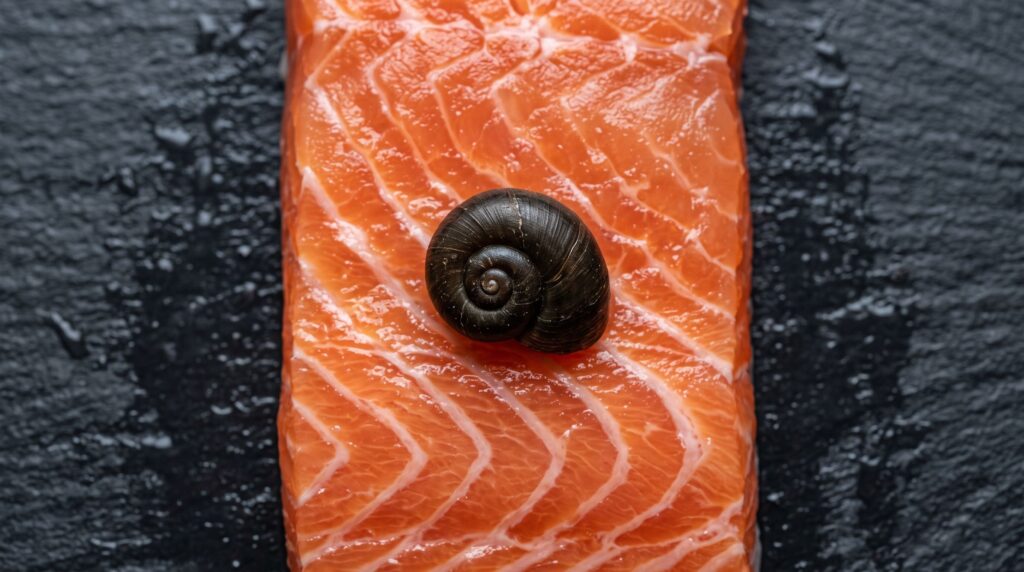
Despite the common name, the fish itself is not inherently toxic. Rather, Salmon Poisoning Disease results from a complex biological partnership between a tiny parasite and an infectious bacterium. The process begins with a small freshwater snail (Juga silicula), native to Pacific Northwest streams. Serving as the primary host, this snail harbors the larval stage of a microscopic trematode, or intestinal fluke, named Nanophyetus salmincola. Upon leaving the snail, fluke larvae penetrate the skin and tissue of salmonid fish, including salmon, trout, steelhead, and sea-run cutthroat, encysting within their internal organs and flesh.
Inside the fluke parasite lives an even smaller microorganism: an intracellular bacterium named Neorickettsia helminthoeca. When an unvaccinated or unprotected dog eats raw, smoked, or undercooked fish carrying these encysted flukes, the digestive process breaks down the fish tissue, releasing fluke larvae into the canine intestinal tract. Once free, larval flukes attach to the lining of the small intestine and release the Neorickettsia bacteria directly into the dog’s bloodstream and lymphatic system. Spreading rapidly through the lymphatic nodes, liver, spleen, and intestinal walls, the multiplying bacteria trigger severe systemic inflammation, mucosal sloughing, and profound internal tissue damage.
Toxin Progression and Warning Signs: Identifying the Rapid Clinical Decline
Unlike chemical poisonings that produce instant reactions, Salmon Poisoning Disease operates on a delayed biological timeline. An incubation period lasting between six and ten days typically passes before physical symptoms manifest, making it easy for pet owners to miss the connection between a recent river walk and sudden illness. Once symptoms begin, however, physical decline occurs with alarming speed.
Initial clinical signs usually start with a sudden, spiking fever that frequently exceeds 104 degrees Fahrenheit. Accompanying the fever is profound depression, severe lethargy, and a total loss of appetite. As bacterial multiplication damages the gastrointestinal lining and lymph nodes, severe digestive distress develops rapidly:
- Uncontrollable, persistent vomiting that quickly leads to severe fluid loss.
- Profuse, watery diarrhea that frequently turns bloody, dark, or tarry due to internal intestinal sloughing.
- Rapid weight loss and noticeable muscle wasting within a forty-eight-hour window.
- Swollen, firm, and painful lymph nodes felt beneath the jaw, around the shoulders, and behind the hind legs.
- Severe dehydration accompanied by sunken eyes, dry gums, and weak peripheral pulses.
Left untreated, this disease carries a fatal outcome in more than ninety percent of affected dogs. Severe dehydration, electrolyte imbalances, and widespread systemic infection lead to circulatory collapse within seven to fourteen days of initial exposure. Recognizing these early warning indicators and seeking immediate professional care alters this trajectory completely.
Immediate Response Protocols: What to Do Following Suspected Fish Ingestion
Suspicion of raw fish ingestion requires immediate medical action long before clinical signs appear. Waiting for fever, vomiting, or bloody diarrhea to develop before seeking professional help wastes critical time during which bacteria multiply unchecked through the lymphatic system. Observing a dog scavenging near a riverbank, chewing on fish bones along a trail, or snatching raw salmon waste from an angler’s bucket should trigger an immediate call to a veterinary facility.
Attempting home remedies or administering over-the-counter medications without clinical oversight presents severe risks. Inducing vomiting at home using household products like hydrogen peroxide can cause severe gastric ulcerations or lead to chemical aspiration into the lungs, especially if hours have passed since ingestion. Instead, contacting an equipped veterinary clinic immediately allows a trained medical team to evaluate the exposure risk, perform targeted diagnostic screenings, and begin preventative antimicrobial therapy before severe tissue damage occurs. Sharing precise details about the location, estimated time of exposure, and observed fish material helps clinicians build a rapid, life-saving treatment protocol.
Proactive River Safety: Defensive Habits for Anglers and Trail Walkers
Minimizing exposure along Pacific Northwest waterways relies on establishing consistent, protective habits before heading outdoors. Combining defensive field management with smart waste handling keeps curious scavengers safe during fishing trips, river walks, and camping outings across Washington County.
Actionable safety steps for outdoor dogs include:
- Maintaining Short Leash Control: Restricting dogs to a short, fixed leash near riverbanks, boat ramps, and fish cleaning stations stops sudden pouncing on washed-up fish carcasses or discarded guts.
- Reinforcing the “Leave It” Command: Training a rapid, reliable drop-it or leave-it command using high-value rewards ensures immediate control if a dog encounters dead fish or fishing debris on the trail.
- Securing Fishing Waste Properly: Wrapping raw fish remains, guts, and frames in heavy-duty bags before placing them inside sealed, animal-proof containers keeps scavengers away at campsites or boat launches.
- Practicing Strict Home Food Safety: Cooking all fresh salmon, trout, and ocean fish thoroughly to an internal temperature of 145 degrees Fahrenheit destroys encysted fluke larvae before serving; deep-freezing raw fish at sub-zero temperatures for several weeks also neutralizes parasites prior to raw feeding.
Advanced Internal Medicine and Emergency Diagnostics: How Nimbus Pet Hospital Responds
Treating acute bacterial and parasitic infections demands sophisticated diagnostic equipment and targeted internal medicine protocols. At Nimbus Pet Hospital, state-of-the-art laboratory capabilities ensure that suspected cases of Salmon Poisoning Disease receive rapid confirmation and decisive treatment.
Comprehensive medical solutions available at our facility include:
- Rapid In-House Diagnostic Screening: Utilizing microscopic fecal sedimentation tests to detect characteristic Nanophyetus salmincola fluke eggs, alongside fine-needle lymph node aspirates to identify intracellular Neorickettsia bacteria under microscopic examination within minutes.
- Targeted Antimicrobial and Parasitic Therapies: Administering specific prescription antibiotics, such as doxycycline, to eradicate systemic bacterial infections while simultaneously prescribing targeted deworming medications to eliminate intestinal flukes.
- Intravenous Fluid Therapy and Supportive Care: Providing continuous, temperature-controlled IV fluid administration to restore hydration, correct severe electrolyte imbalances, and maintain blood pressure during recovery.
- Symptom Management and Nutritional Support: Delivering fast-acting injectable anti-nausea medications, gastrointestinal mucosal protectants, and tailored nutritional support to soothe inflamed intestinal tissue.
- Comprehensive Wellness and Surgical Capabilities: Performing thorough physical examinations, routine dental scaling, soft-tissue surgeries, and digital diagnostic imaging supported by modern vital sign monitoring equipment.
Accessible Emergency Triage: Premier Veterinary Care for Tigard and Beaverton
Navigating an acute medical scare requires access to a modern, compassionate, and local veterinary facility. Located at 10115 SW Nimbus Ave #200 in Tigard, Nimbus Pet Hospital provides comprehensive medical care to families across Tigard, Beaverton, and surrounding Washington County neighborhoods. Advanced in-house diagnostic suites, dedicated isolation facilities, and an experienced medical staff ensure that urgent internal medicine cases receive swift, expert care.
Recognizing that unexpected exposures frequently occur during weekend outdoor trips, our hospital operates seven days a week with extended weekend hours. Open Monday through Friday from 8:00 AM to 5:00 PM, Saturday from 8:00 AM to 3:00 PM, and Sunday from 8:00 AM to 1:00 PM, local dog owners can access prompt clinical evaluations when environmental hazards arise. Partnering with a dedicated local team guarantees that your companion receives attentive, high-quality care whenever unexpected challenges occur on the trail.
Critical Guidance for Local Dog Owners: Salmon Poisoning FAQs
How quickly can the clinical team at Nimbus Pet Hospital diagnose Salmon Poisoning Disease if my dog ate raw fish near the Tualatin River?
Microscopic diagnostic testing performed in our in-house laboratory delivers definitive answers within minutes of patient arrival. Collecting a small stool sample allows our medical team to run a specialized fecal sedimentation test that identifies microscopic fluke eggs. Additionally, performing a gentle fine-needle aspiration of a swollen lymph node permits direct visualization of bacterial inclusion bodies under a microscope, allowing targeted antibiotic treatment to begin immediately during your visit.
What specific diagnostic tests are used at your SW Nimbus Ave clinic to confirm a suspected case of Salmon Poisoning Disease?
Confirming a diagnosis involves pairing physical examinations with specialized laboratory evaluations. Fecal sedimentation testing remains the primary method for detecting Nanophyetus salmincola fluke ova in stool samples. In-house blood chemistry profiles and complete blood counts evaluate hydration levels, white blood cell responses, and organ function, while lymph node cytology provides direct microscopic proof of intracellular Neorickettsia bacterial organisms.
Can dogs develop permanent immunity to Salmon Poisoning Disease after recovering from an initial infection?
Dogs that successfully recover from an infection develop strong, long-lasting immunity to the specific strain of Neorickettsia helminthoeca bacteria that caused their illness. However, subtle genetic variations or different bacterial strains present in Pacific Northwest waterways may still pose future risks. Continuing defensive trail habits, keeping dogs away from raw fish waste, and seeking prompt veterinary care for any future fish exposure remains essential regardless of past recovery.
What weekend operating hours does Nimbus Pet Hospital offer for pet owners seeking urgent medical evaluations in Tigard and Beaverton?
Nimbus Pet Hospital provides extended weekend availability to accommodate urgent health concerns across Washington County. Our facility opens on Saturdays from 8:00 AM to 3:00 PM and Sundays from 8:00 AM to 1:00 PM. Weekday operating hours run Monday through Friday from 8:00 AM to 5:00 PM. Pet owners observing symptoms or suspecting raw fish exposure over the weekend can call our office directly at (971) 300-0613 or visit our clinic at 10115 SW Nimbus Ave #200 in Tigard for rapid triage.
Protect Your Dog’s Outdoor Adventures: Connect with Nimbus Pet Hospital Today
Exploring the pristine rivers, lakes, and trails of the Pacific Northwest offers unmatched exercise and enjoyment for local dogs and their owners. While Salmon Poisoning Disease presents a serious regional threat, understanding the disease process, practicing smart river safety, and knowing the early warning signs keeps canine companions protected. Partnering with an experienced veterinary facility ensures that any accidental exposure is met with swift, life-saving medical care.
For preventative wellness checkups, emergency triaging, or general health consultations, reach out to the compassionate team at Nimbus Pet Hospital. Visit our state-of-the-art facility at 10115 SW Nimbus Ave #200, Tigard, OR 97223, or call us directly at (971) 300-0613 to speak with our staff. Our clinic is open Monday through Friday from 8:00 AM to 5:00 PM, Saturday from 8:00 AM to 3:00 PM, and Sunday from 8:00 AM to 1:00 PM. Let our dedicated veterinary team help keep your pet safe, healthy, and thriving throughout every outdoor adventure in Washington County.