
Winding through the shaded canopy of Cooper Mountain Nature Park or following the paved stretches of the Fanno Creek Trail, local dogs thrive on the rich sights and smells of Washington County. Outdoor exercise provides vital physical conditioning and mental engagement for active canines living in Tigard and Beaverton. Beneath the lush green foliage and damp soil of the Pacific Northwest, however, microscopic threats remain active throughout the year.
Damp, temperate environments that make local parks so scenic also create ideal breeding grounds for dangerous bacteria and blood-feeding parasites. Before heading out on weekend trail adventures, recognizing these hidden environmental hazards allows pet owners to build an effective medical defense. Preparing your companion for outdoor play ensures every excursion across local nature preserves remains safe, active, and worry-free.

Table of Contents
- Understanding Leptospirosis: Wildlife Vectors, Stagnant Water, and Organ Risks
- Navigating Oregon’s Tick Season: Western Blacklegged Ticks and Lyme Disease
- Proactive Trail Management: Defensive Hiking Habits and Physical Audits
- Complete Preventative Protection: How Nimbus Pet Hospital Shields Active Dogs
- Trusted Trailside Healthcare: Why Tigard and Beaverton Owners Choose Nimbus Pet Hospital
- Frequently Asked Questions About Local Trail Safety and Parasite Defense
- Safeguard Your Outdoor Excursions: Book Your Dog’s Trail Readiness Visit Today
Understanding Leptospirosis: Wildlife Vectors, Stagnant Water, and Organ Risks
Spreading quietly through moist soil and standing water, Leptospira bacteria pose a severe threat to outdoor dogs. Wildlife reservoirs such as raccoons, rodents, deer, and opossums shed these spiral-shaped bacteria through their urine directly into the surrounding ecosystem. Saturated trail soil, muddy puddles, and slow-moving creeks across Tualatin Hills Nature Park easily become contaminated. Because the bacteria thrive in cool, moist climates, the Willamette Valley provides an ideal setting for long-term bacterial survival.
When a dog drinks from an infected puddle, splashes through trail mud, or licks damp paws after a walk, microscopic bacteria penetrate delicate mucous membranes or tiny abrasions on the skin. Inside the bloodstream, the infection multiplies rapidly while attacking vital internal organ systems. Clinical signs often begin with vague symptoms such as sudden fever, extreme lethargy, muscle stiffness, and a complete loss of appetite. As the illness progresses, severe vomiting, increased thirst, frequent urination, and jaundice signal acute kidney or liver failure. Compounding the medical danger, Leptospirosis is a zoonotic disease, meaning infected pets can transmit the infection directly to human family members through contact with contaminated fluids.
Navigating Oregon’s Tick Season: Western Blacklegged Ticks and Lyme Disease
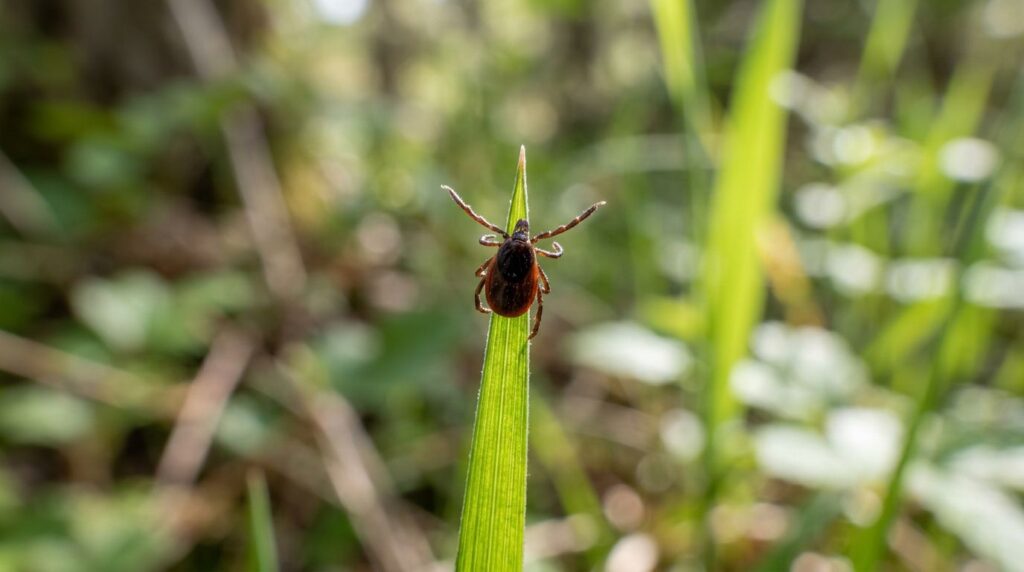
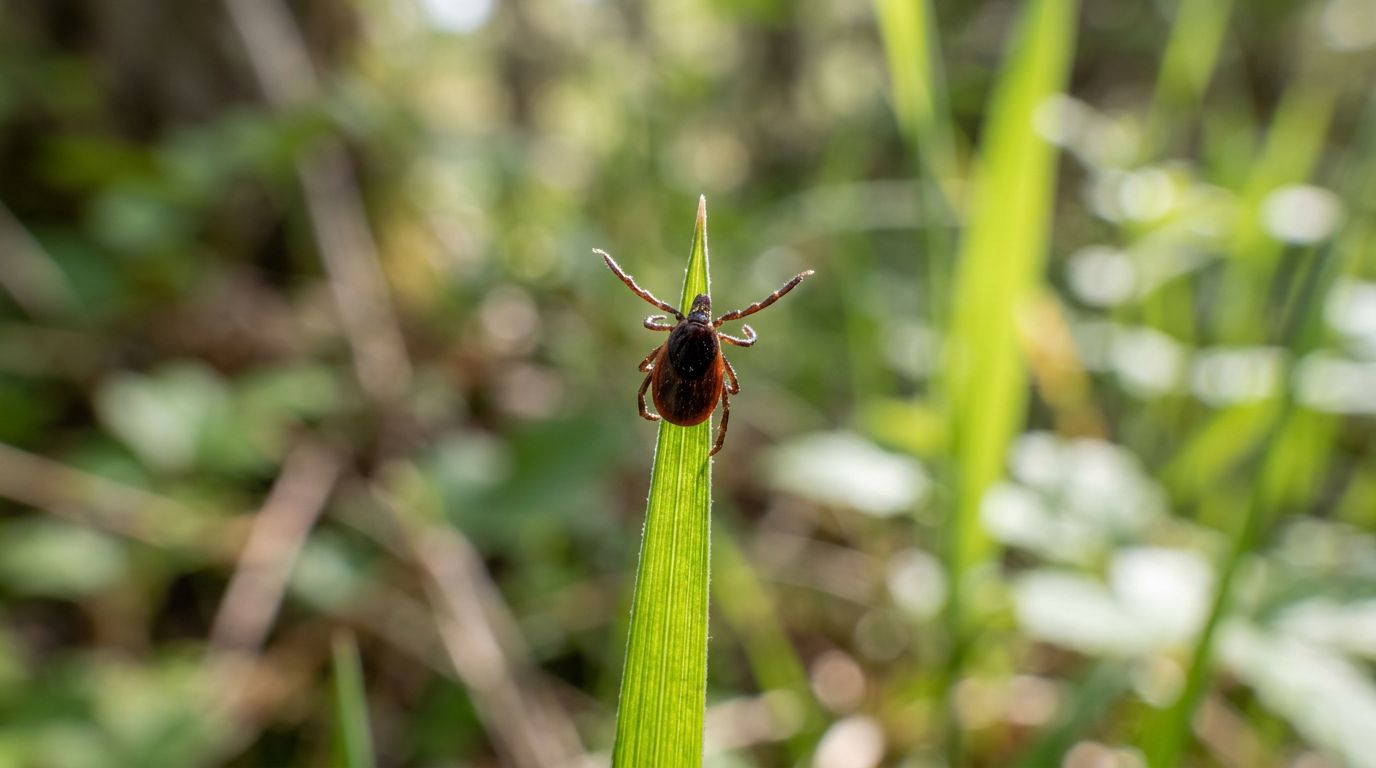
Overgrown brush and tall grasses bordering local walking paths serve as prime hunting grounds for regional tick species. In Washington County, the Western Blacklegged Tick (Ixodes pacificus) represents the primary vector for dangerous blood-borne pathogens. Lacking the ability to jump or fly, ticks utilize a strategy called questing, holding onto vegetation with their hind legs while extending their front legs to latch onto passing animals. Once anchored to a host, the parasite feeds undetected for several days, creating a prolonged window for disease transmission.
Pathogens transmitted by local ticks include Borrelia burgdorferi, the bacterium responsible for Lyme disease, as well as Anaplasma phagocytophilum. Affected dogs rarely display immediate symptoms following a tick bite. Weeks or even months later, clinical signs emerge as shifting leg lameness, swollen joints, unexplained fever, enlarged lymph nodes, and profound fatigue. A common misconception among pet owners is that tick activity vanishes completely during winter months. Due to the mild, maritime climate of the Pacific Northwest, adult Western Blacklegged Ticks remain active whenever temperatures rise above freezing, making year-round parasite defense essential for local pets.
Proactive Trail Management: Defensive Hiking Habits and Physical Audits
Mitigating environmental exposure on local trails does not require giving up outdoor excursions. Adopting practical field management habits builds an effective first line of defense against parasites and waterborne bacteria.
Simple defensive habits to incorporate into every outdoor excursion include:
- Maintaining Leash Control: Keeping pets on a short, non-retractable leash prevents exploratory sniffing through dense underbrush, thick blackberry brambles, and unmaintained trail perimeters where ticks gather.
- Packing Personal Hydration: Bringing fresh tap water and a clean, collapsible bowl eliminates the temptation for dogs to lap up standing rainwater, puddle runoff, or slow-moving creek water contaminated with wildlife urine.
- Executing Systematic Coat Audits: Performing a thorough hands-on inspection immediately after completing a hike helps catch crawling or unattached ticks. Special attention should be paid to the paw pads, between toes, inside ear flaps, under the groin, and beneath collar lines.
- Utilizing Proper Removal Techniques: Removing attached ticks promptly with fine-tipped tweezers minimizes pathogen transfer. Grasping the parasite close to the skin surface and pulling upward with steady, even pressure ensures complete removal without squeezing toxic body fluids back into the bite wound.
Developing a consistent post-hike routine keeps unattached parasites from entering your vehicle or home. Combining defensive field management with robust internal immunity gives your dog complete protection during outdoor adventures.

Complete Preventative Protection: How Nimbus Pet Hospital Shields Active Dogs
While defensive trail habits lower daily exposure, internal biological immunity and continuous chemical protection form the true core of medical defense. At Nimbus Pet Hospital, comprehensive preventative care protocols are tailored specifically to match the active lifestyle of Pacific Northwest dogs.
Comprehensive preventative services provided at our clinic include:
- Targeted Leptospirosis & Core Immunizations: Protecting dogs against waterborne bacterial threats relies on the updated 4-way Leptospirosis vaccine, administered annually alongside core DHPP and Rabies inoculations to build targeted antibody immunity.
- Fast-Acting Parasite Preventatives: Prescribing modern, highly effective oral chewables and topical treatments guarantees that attached ticks are eliminated rapidly before disease transmission can take place.
- In-House Diagnostic Testing: Utilizing advanced internal laboratory equipment allows our medical team to run immediate blood chemistry screens, urinalysis, and specialized vector-borne disease panels like 4Dx tests to detect hidden infections early.
- Comprehensive Wellness & Surgical Services: Routine nose-to-tail physical exams, professional dental care beneath the gumline, and soft-tissue surgical capabilities ensure that outdoor companions maintain optimal systemic health across every age milestone.
Partnering with an experienced veterinary team ensures that your pet’s vaccination and parasite control schedules remain completely up to date. Tailoring clinical recommendations to your dog’s specific outdoor habits prevents gaps in protection.
Trusted Trailside Healthcare: Why Tigard and Beaverton Owners Choose Nimbus Pet Hospital
Navigating seasonal outdoor risks becomes straightforward when backed by a compassionate, highly capable veterinary practice. Conveniently situated at 10115 SW Nimbus Ave #200 in Tigard, Nimbus Pet Hospital provides accessible, top-tier medical care to pet families across Washington County. Operating seven days a week, our facility offers extended weekend hours to accommodate busy work schedules and sudden weekend health concerns. Our doors are open Monday through Friday from 8:00 AM to 5:00 PM, Saturday from 8:00 AM to 3:00 PM, and Sunday from 8:00 AM to 1:00 PM.
Combining state-of-the-art diagnostic technology with gentle, low-stress handling methods creates a welcoming atmosphere where pets feel safe. Whether establishing a customized parasite prevention schedule or investigating subtle joint stiffness after a hike, our dedicated clinical team delivers individualized attention tailored to the unique environmental demands of the Tigard and Beaverton communities.

Frequently Asked Questions About Local Trail Safety and Parasite Defense
How far in advance of a hiking trip in Washington County should my dog receive their Leptospirosis vaccine at Nimbus Pet Hospital?
Building full protective immunity requires time following a vaccination. Administering an initial Leptospirosis vaccine series involves two doses spaced three to four weeks apart, with peak antibody protection developing approximately two weeks after the second booster. Scheduling vaccine updates at least two weeks before major trail outings ensures your pet’s immune system is fully prepared.
What immediate steps should I take if my dog exhibits joint stiffness or fever weeks after exploring trails in Beaverton or Tigard?
Developing unexpected symptoms like joint pain, shifting lameness, lethargy, or fever weeks after a trail outing warrants a prompt clinical evaluation. Contact Nimbus Pet Hospital to schedule a diagnostic consultation, where our team can run in-house blood panels and specialized vector-borne screens to check for Lyme disease or Anaplasmosis and begin targeted antibiotic therapy if needed.
Can I pick up prescription flea and tick preventatives during weekend hours at your SW Nimbus Ave location?
Prescriptions for oral or topical parasite preventatives can be collected during our weekend operating hours. Our Tigard clinic remains open on Saturdays from 8:00 AM to 3:00 PM and Sundays from 8:00 AM to 1:00 PM, allowing established clients to stop by and stock up on fast-acting flea and tick protection before heading out on outdoor trips.
Does the Leptospirosis vaccine protect my dog against all bacterial strains found in local Oregon creeks and mud puddles?
Modern Leptospirosis vaccines utilize a 4-way formulation engineered to protect against the four most prevalent serovars (icterohaemorrhagiae, canicola, grippotyphosa, and pomona) responsible for clinical disease in dogs. While dozens of rare bacterial variants exist in nature, this comprehensive 4-way vaccine delivers robust, broad-spectrum defense against the primary strains contaminating Pacific Northwest soil and water sources.

Safeguard Your Outdoor Excursions: Book Your Dog’s Trail Readiness Visit Today
Exploring the picturesque trails of Washington County offers unmatched recreation for local dogs and their human families. Shielding your pet from unseen environmental dangers like Leptospirosis bacteria and questing Western Blacklegged Ticks requires combining vigilant field habits with up-to-date preventative medicine. Taking proactive steps today guarantees that future trail adventures across Beaverton and Tigard remain fun, active, and completely safe.
Schedule a trail readiness visit or update your dog’s parasite preventatives with the experienced medical team at Nimbus Pet Hospital. Visit our modern clinic at 10115 SW Nimbus Ave #200, Tigard, OR 97223, or call us directly at (971) 300-0613 to book an appointment. Operating hours are Monday through Friday from 8:00 AM to 5:00 PM, Saturday from 8:00 AM to 3:00 PM, and Sunday from 8:00 AM to 1:00 PM. Let us partner with you to keep your companion healthy, protected, and ready for every adventure across the Pacific Northwest.