
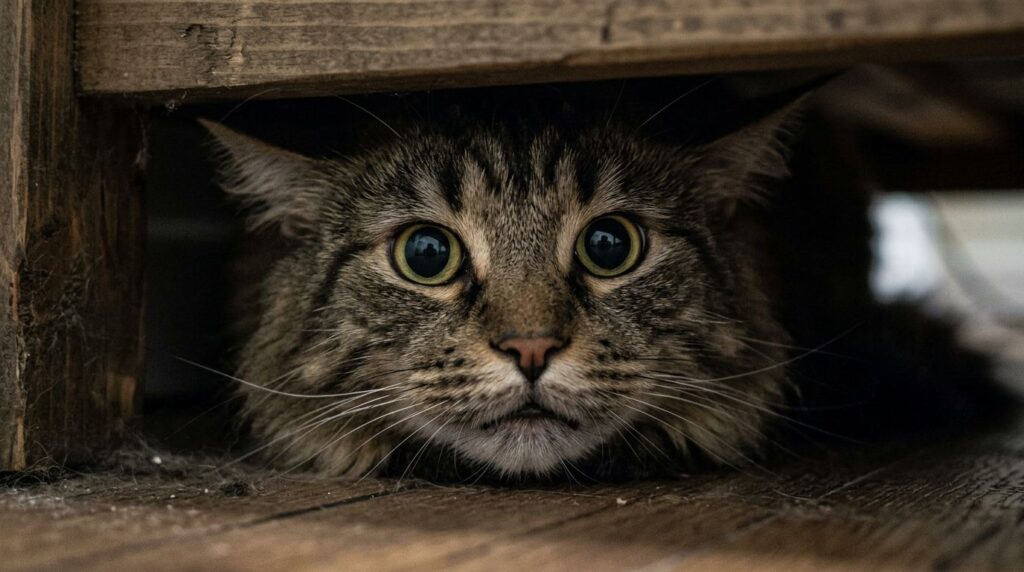
Warm summer evenings in the Willamette Valley bring outdoor gatherings, neighborhood festivities, and vibrant Fourth of July celebrations. For many households across Tigard and Beaverton, however, seasonal holiday weekends and sudden summer weather shifts usher in periods of intense panic. High-decibel pyrotechnics popping across suburban neighborhoods combined with unexpected thunderstorm fronts roll through Washington County, creating severe environmental triggers for noise-sensitive dogs and cats.
Acoustic stress manifests through unmistakable physical behaviors. Tremulous shaking, frantic pacing, excessive panting, dilated pupils, and continuous vocalization signal acute fear. In severe instances, panic drives pets to engage in destructive clawing at door frames, chewing through drywall, or attempting desperate escapes over backyard fencing. Brushing off these intense reactions as mere behavioral stubbornness overlooks an underlying physiological issue. Noise phobia represents a genuine, treatable medical condition requiring structured clinical support. At Nimbus Pet Hospital, compassionate veterinary care combines with modern medical strategies to protect local companions from severe sound-induced trauma.
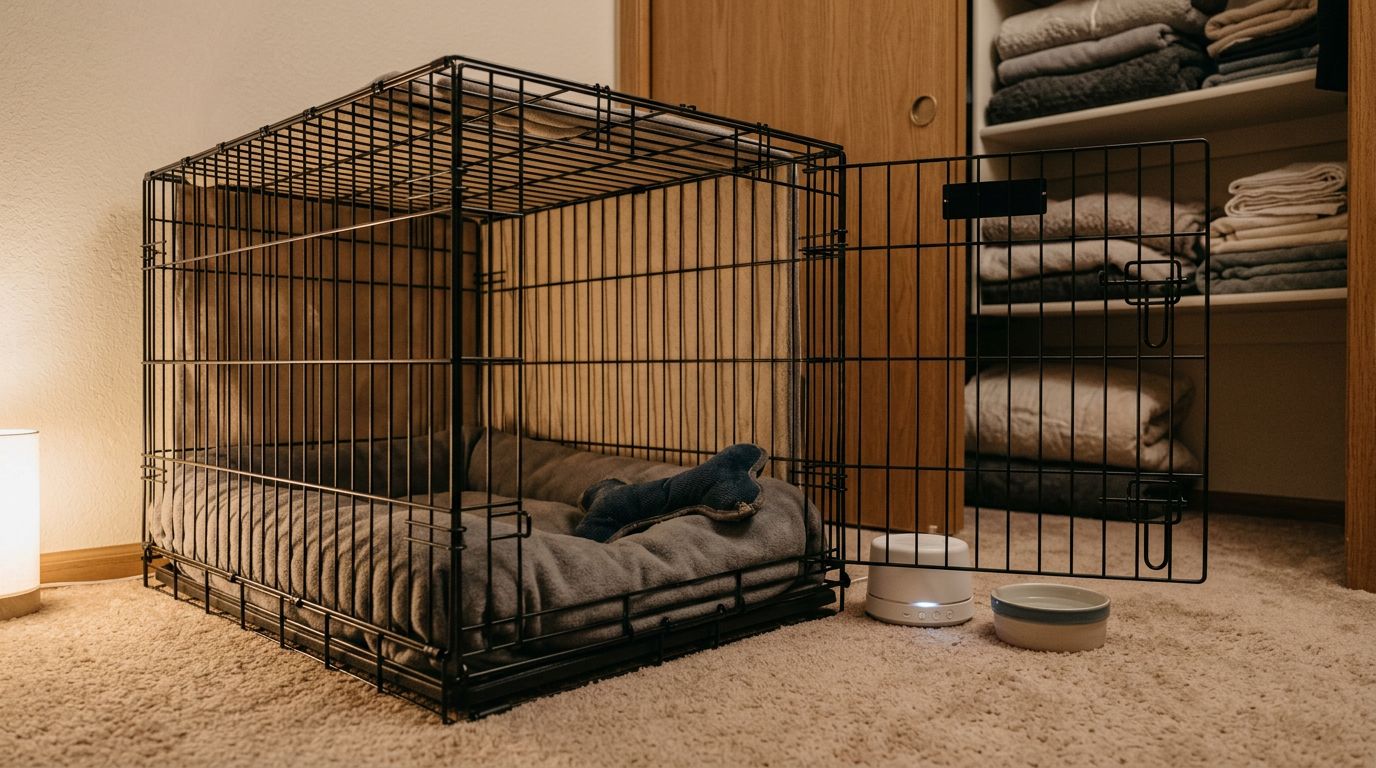
Table of Contents
- The Biological Tipping Point: How Acoustic Spikes Overwhelm Feline and Canine Nervous Systems
- Constructing a Calming Sanctuary: Tactical At-Home Buffer Strategies
- Pharmacological Phobia Shields: When Environmental Tweaks Are Not Enough
- Comprehensive Wellness Solutions: How Nimbus Pet Hospital Shields Your Companion
- Your Neighborhood Partner in Pet Wellness: Why Washington County Chooses Nimbus
- Essential Guidance for Valley Pet Owners: Summer Anxiety FAQs
- Restore Peace to Your Summer: Partner with Nimbus Pet Hospital Today
The Biological Tipping Point: How Acoustic Spikes Overwhelm Feline and Canine Nervous Systems
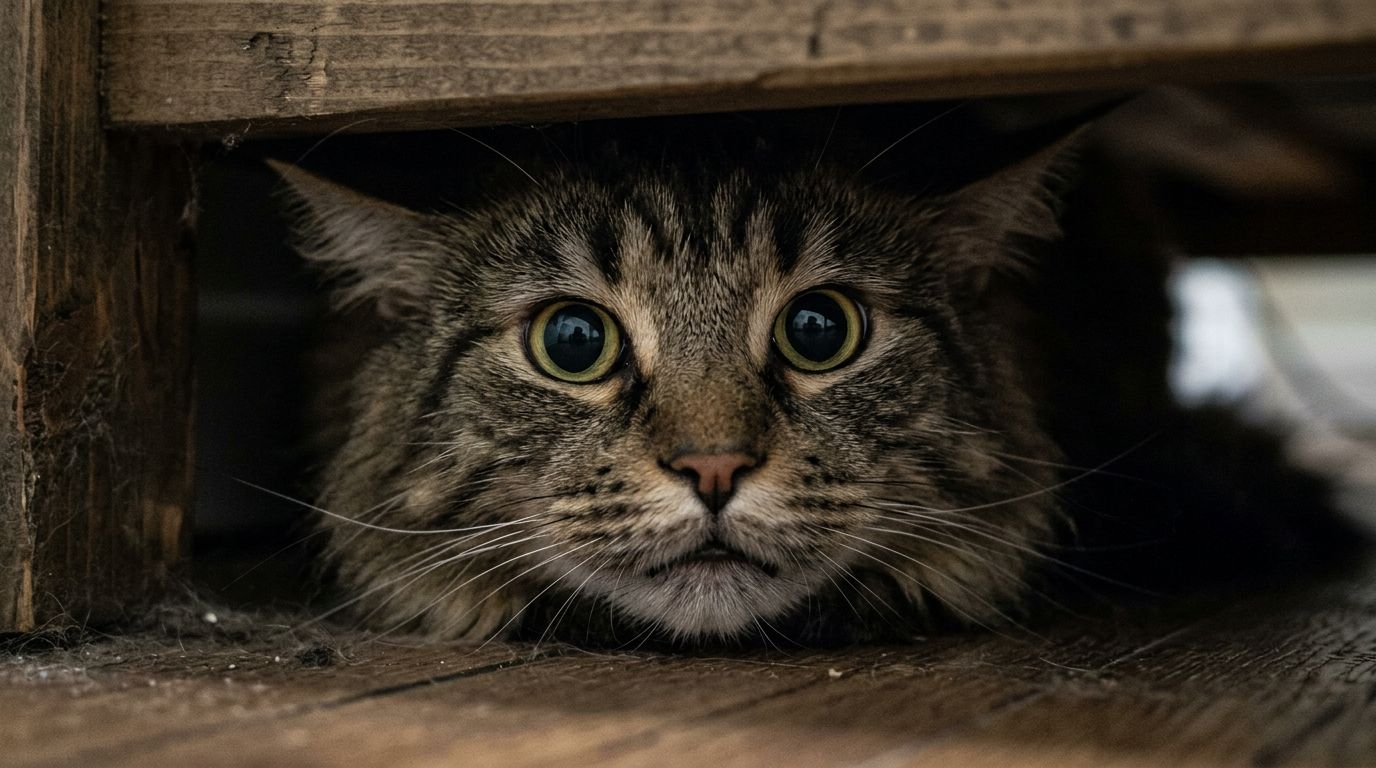
Canine and feline hearing capabilities far exceed human auditory perception. Capable of detecting frequencies twice as high as human ears can perceive, a dog or cat experiences explosive noise spikes with overwhelming intensity. Sudden pyrotechnic blasts or sharp thunderclaps trigger an immediate, involuntary surge of adrenaline and cortisol within the sympathetic nervous system. Blood pressure spikes rapidly, heart rate accelerates, and the brain enters a heightened state of survival-driven panic.
Environmental changes accompanying summer weather fronts further heighten this internal distress. Barometric pressure shifts, low-frequency atmospheric rumble, and static electricity accumulation in the air alert noise-phobic animals to incoming storms long before human ears register thunder. Left unmanaged, acoustic sensitivity worsens through a process known as sensitization. Exposure to unmitigated noise events causes the brain to build stronger neural pathways for fear. Over successive seasons, subtle environmental precursors like darkening skies, rising wind gusts, or distant static clicks begin triggering full-blown panic attacks, making early clinical intervention vital for long-term emotional health.
Constructing a Calming Sanctuary: Tactical At-Home Buffer Strategies
Preparing a home environment before holiday weekends or summer weather systems arrive constructs an essential physical buffer against loud outdoor sounds. Modifying interior spaces lowers acoustic volume and provides security for anxious pets seeking shelter.
Effective environmental management tactics include:
- Establishing a Safe Interior Sanctuary: Selecting an windowless interior room, walk-in closet, or basement space away from exterior walls creates an ideal refuge; furnishing this space with cozy blankets, familiar crate setups, and favorite toys encourages natural burrowing instincts.
- Deploying Sound Masking Technology: Running box fans, white noise machines, or soft classical music playlists dampens sharp external booms and minimizes acoustic spikes.
- Applying Gentle Constant Pressure: Utilizing specialized anxiety wraps or snug-fitting garments applies mild, continuous pressure across the torso, promoting central nervous system relaxation similar to swaddling an infant.
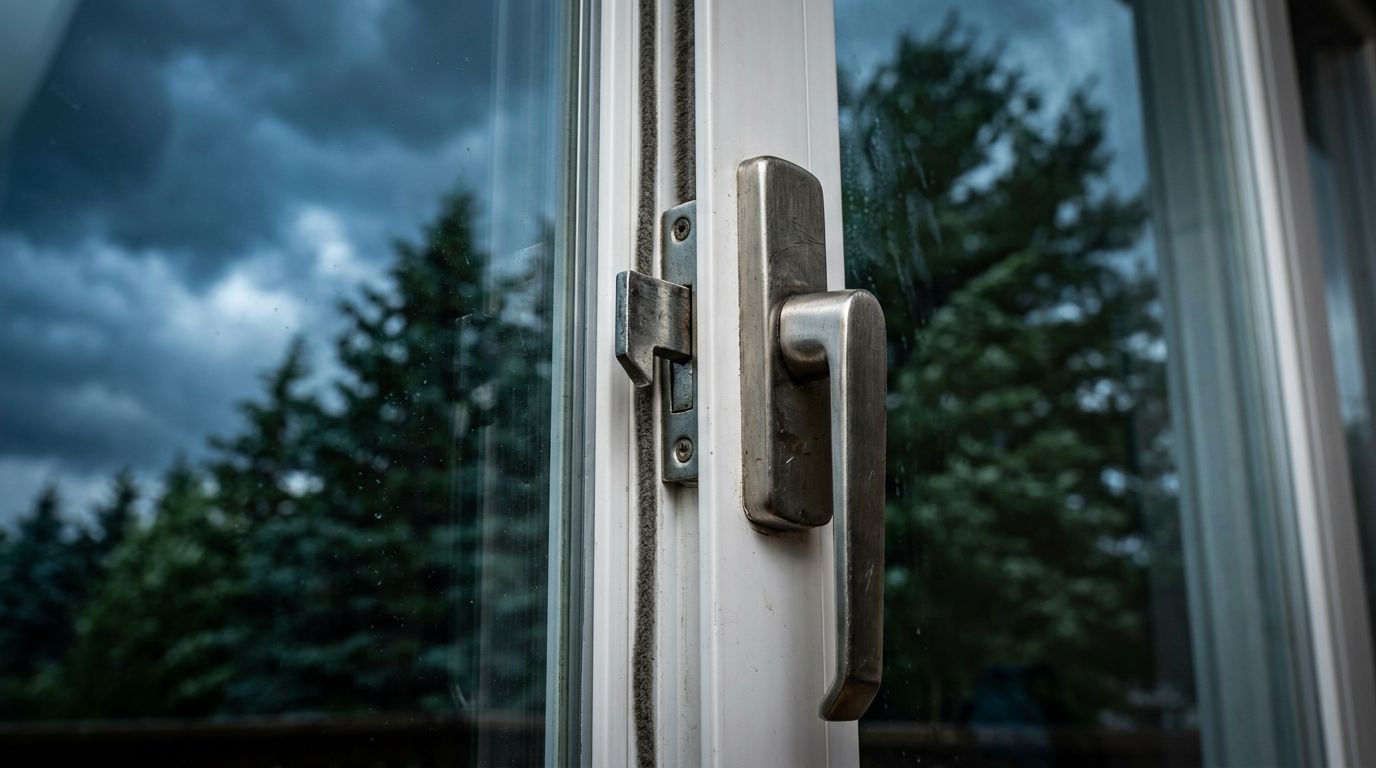
- Securing Physical Escape Routes: Double-checking window latches, sliding door tracks, and yard gate latches prevents panic-driven escape attempts during sudden noise bursts.
- Verifying Microchip and ID Records: Updating microchip registration details online and ensuring collar tags remain legibly printed guarantees rapid identification should an anxious pet slip out an open door.
Implementing these physical adjustments provides a solid foundation for managing mild noise sensitivity. When environmental buffers prove insufficient against severe panic, combining home modifications with veterinary medical support delivers comprehensive protection.
Pharmacological Phobia Shields: When Environmental Tweaks Are Not Enough
Extreme sound phobias frequently exceed the calming capacity of blankets, white noise, or anxiety wraps. When a dog or cat experiences blind panic, heart-racing terror, or self-injurious escape behaviors, pharmacological intervention provides necessary medical relief. Modern veterinary medicine offers safe, short-acting prescription sedatives and anti-anxiety medications formulated specifically to block panic pathways in the central nervous system.
Prescribing targeted pharmaceuticals like trazodone, gabapentin, or transmucosal dexmedetomidine gel (Sileo) allows clinicians to prevent fearful neurological loops from forming. Administering these medications ninety to one hundred twenty minutes before noise triggers begin keeps the nervous system stable, preventing panic responses before acoustic blasts occur. Attempting to calm an overstimulated pet using human over-the-counter antihistamines or unprescribed sedatives carries severe medical risks, including toxic organ damage or paradoxical excitation. Consulting an experienced veterinarian ensures that medication dosages, timing protocols, and drug choices match your pet’s exact health profile.
Comprehensive Wellness Solutions: How Nimbus Pet Hospital Shields Your Companion
Managing noise phobias requires a holistic medical approach that connects behavioral support with overall physical health. At Nimbus Pet Hospital, clinical services are tailored to address both the emotional and physical needs of pets navigating seasonal stress.
Our full spectrum of supportive veterinary services includes:
- Behavioral & Anxiety Consultations: Evaluating specific noise triggers, lifestyle factors, and stress severity to craft customized pharmaceutical protocols and desensitization strategies.
- Comprehensive Wellness Examinations: Conducting thorough physical audits to identify underlying joint arthritis, dental pain, or systemic illness that could lower pain thresholds and exacerbate anxiety during stressful events.
- Microchipping & Preventative Care: Implanting tiny, permanent microchips beneath the skin and maintaining core vaccinations so that lost pets remain protected and easily traceable if an unexpected escape occurs.
- In-House Laboratory Diagnostics: Running immediate blood chemistry panels and organ evaluations using advanced diagnostic equipment to ensure complete liver and kidney safety before prescribing targeted anxiety medications.
Pairing preventative health care with behavioral medicine keeps local pets comfortable throughout every season. Thorough clinical screening ensures that your companion receives safe, effective treatment tailored to their exact physiological baseline.
Your Neighborhood Partner in Pet Wellness: Why Washington County Chooses Nimbus
Delivering high-quality veterinary care requires state-of-the-art medical technology, accessible scheduling, and a gentle handling philosophy. Conveniently situated at 10115 SW Nimbus Ave #200 in Tigard, Nimbus Pet Hospital serves families across Tigard, Beaverton, and surrounding Washington County communities with modern clinical expertise. Modern diagnostic suites, clean exam rooms, and low-stress handling methods ensure that nervous animals feel safe throughout their visits.
Understanding that busy schedules make weekday appointments challenging, our hospital operates seven days a week with extended weekend hours. Open Monday through Friday from 8:00 AM to 5:00 PM, Saturday from 8:00 AM to 3:00 PM, and Sunday from 8:00 AM to 1:00 PM, local pet owners have reliable access to experienced medical advice when seasonal anxieties arise. Partnering with a dedicated, accessible medical team transforms stressful summer noise events into manageable, peaceful experiences for the animals you love.

Essential Guidance for Valley Pet Owners: Summer Anxiety FAQs
How far in advance of the Fourth of July or summer storm season should I schedule a noise anxiety consultation at Nimbus Pet Hospital?
Scheduling a consultation two to three weeks prior to major holiday weekends or anticipated storm seasons allows ample time for a thorough physical exam and diagnostic blood work. Establishing care early provides time to conduct test trials with prescribed medications, verifying exact dosages and calming responses before high-decibel noise events occur.
Are prescription calming medications safe for senior pets or dogs with underlying kidney or liver conditions in Beaverton?
Senior pets and animals managing chronic health conditions can safely use behavioral medications when protocols are managed by a veterinarian. Our clinical team utilizes in-house blood chemistry panels to evaluate liver and kidney function prior to prescribing pharmaceuticals, selecting specific short-acting medications that process safely without stressing compromised organ systems.
What immediate steps should I take if my anxious dog escapes our yard during a loud firework display in Tigard?
Searching immediate neighborhood streets while checking local shelter databases represents the crucial first step during a pet loss. Contact local veterinary clinics, register the missing pet on regional lost-and-found platforms, and notify microchip registry services immediately so that any scanning shelter or clinic can contact you the moment your pet is brought to safety.
Can I pick up prescription noise anxiety medications during weekend hours at your SW Nimbus Ave clinic?
Prescription refills and medication pick-ups are available during our standard weekend operating hours. Our Tigard facility remains open on Saturdays from 8:00 AM to 3:00 PM and Sundays from 8:00 AM to 1:00 PM, allowing established clients to collect necessary behavioral supplies conveniently before holiday noise events begin.
Restore Peace to Your Summer: Partner with Nimbus Pet Hospital Today
Proactive management of summer noise phobias protects physical health, prevents dangerous escape attempts, and preserves family tranquility during holiday celebrations. Combining environmental buffers at home with tailored prescription medications from an experienced veterinary team transforms terrifying noise triggers into manageable situations. Waiting until pyrotechnics begin leaves pets vulnerable to severe panic, whereas early medical preparation ensures long-term comfort and safety. Take a decisive step toward protecting your dog or cat from seasonal acoustic distress today.
Contact the compassionate medical team at Nimbus Pet Hospital to schedule a comprehensive behavioral consultation or wellness evaluation. Visit our modern practice at 10115 SW Nimbus Ave #200, Tigard, OR 97223, or call our clinic directly at 971-300-0613 to book an appointment. Operating hours are Monday through Friday from 8:00 AM to 5:00 PM, Saturday from 8:00 AM to 3:00 PM, and Sunday from 8:00 AM to 1:00 PM. Let our experienced team help your pet enjoy a safe, peaceful, and comfortable summer across Washington County.