Life inside an apartment complex across Beaverton or Tigard offers indoor cats absolute safety from vehicular traffic, coyotes, and infectious outdoor hazards. High-density residential living, however, presents unique environmental pressures that often go unnoticed by human companions. Shared hallways, heavy footsteps echoing through ceilings, barking dogs in stairwells, and frequent delivery personnel create a constant background hum of unpredictable activity. For a species evolved to maintain total control over a quiet, static territory, multi-family housing setups can feel like a subtle, relentless challenge to their sense of security.
Chronic low-grade anxiety easily develops when feline occupants lack sufficient vertical territory or private hiding spots to retreat from household noise. Restricted square footage often forces litter boxes, feeding stations, and high-traffic pathways into close proximity, violating basic feline preferences for resource distribution. Over weeks and months, emotional distress triggers physiological changes that manifest directly within the body. In domestic cats, the urinary bladder serves as the primary target organ for emotional stress, turning indoor environmental anxiety into a serious physical health vulnerability.
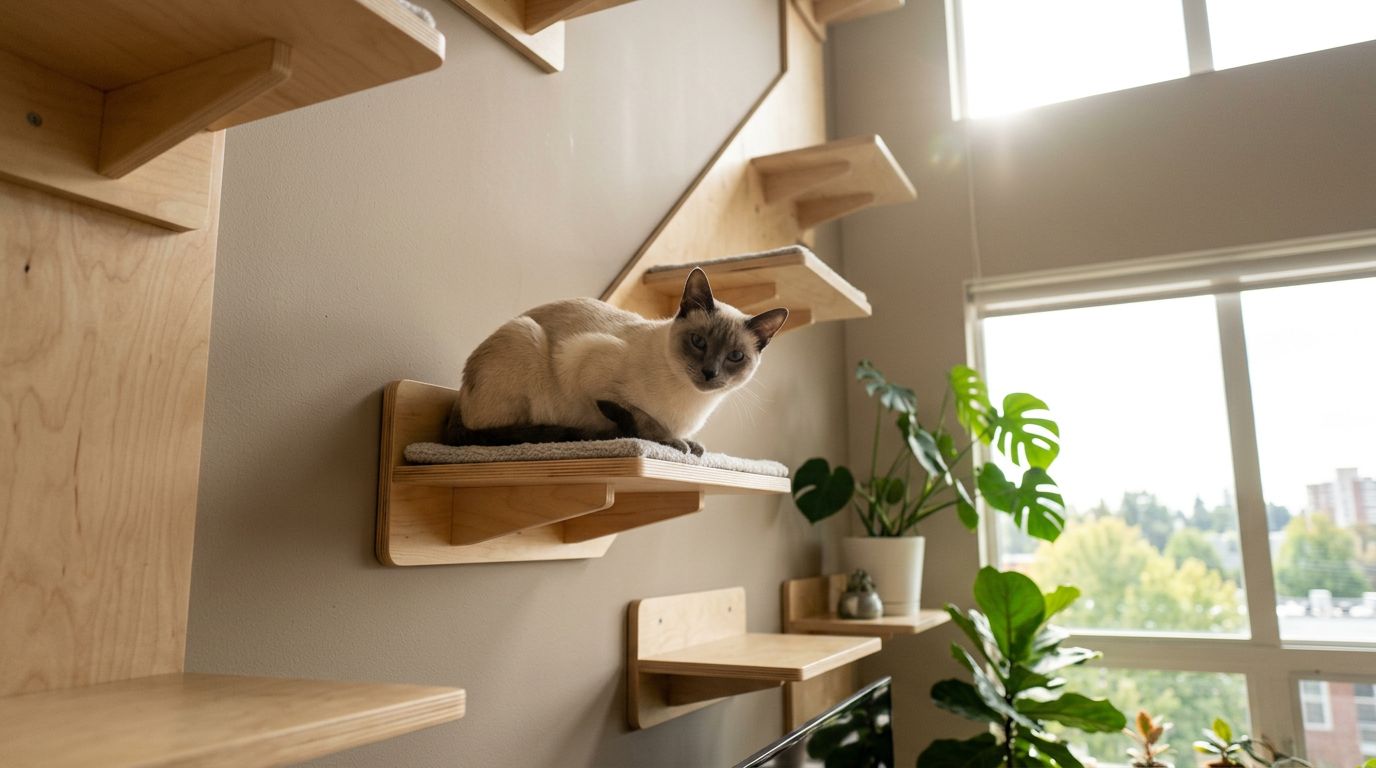
Table of Contents
- The Mind-Bladder Connection: How Stress Triggers Feline Idiopathic Cystitis (FIC) and Blockages
- Recognizing Early Warning Signals: Behavioral Shifts vs. Medical Emergencies
- Transforming Small Spaces: Environmental Enrichment for the Indoor Feline
- Advanced Diagnostics and Feline Medicine: How Nimbus Pet Hospital Protects Your Cat
- Feline-Focused Compassion: Why Tigard and Beaverton Pet Parents Trust Nimbus Pet Hospital
- Clear Answers for Local Cat Owners: Managing Stress and Feline Urinary Health
- Safeguard Your Indoor Companion: Connect with Nimbus Pet Hospital Today
The Mind-Bladder Connection: How Stress Triggers Feline Idiopathic Cystitis (FIC) and Blockages
Understanding how emotional distress converts into physical disease requires examining the complex neurological pathway connecting the feline brain to the lower urinary tract. Under prolonged stress, the central nervous system signals the adrenal glands to release inflammatory chemical mediators while altering sympathetic nervous output. This neurological response directly impacts the delicate lining of the urinary bladder, known as the glycosaminoglycan, or GAG, layer. When chronic anxiety strips away this protective mucus barrier, harsh, concentrated urine comes into direct contact with underlying bladder tissue.
The resulting condition, known clinically as Feline Idiopathic Cystitis (FIC), causes severe tissue inflammation, painful muscle spasms, and localized swelling. Inflamed bladder walls shed tissue fragments, mucus, and red blood cells into the urine stream. When these cellular debris combine with microscopic mineral crystals, soft mucosal plugs form within the bladder. In male cats, whose urethral anatomy narrows significantly as it passes through the penis, these mucosal plugs or localized muscle spasms can completely obstruct urine flow. A urethral obstruction prevents the body from eliminating toxic metabolic waste, creating an acute internal crisis that turns life-threatening within a matter of hours.
Recognizing Early Warning Signals: Behavioral Shifts vs. Medical Emergencies
Identifying lower urinary tract inflammation in its early stages allows pet owners to seek medical care before a complete, dangerous blockage occurs. Subtle behavioral changes during litter box visits often provide the first indication of internal discomfort.
Common early warning signs of urinary tract inflammation include:
- Visiting the litter box with increased frequency while producing only tiny drops of urine.
- Straining, crouching, or vocalizing loudly while attempting to urinate.
- Excessively licking or grooming the genital area and lower abdomen due to localized pain.
- Urinating outside the litter box on cool, soft surfaces such as bathmats, laundry piles, bedspreads, or tile floors.
- Displaying sudden restlessness, irritability, or hiding in unusual spots around the apartment.
- Noticing a pinkish tint, dark discoloration, or strong odor in the urine.
Distinguishing these early inflammatory signs from a complete urethral obstruction remains a critical responsibility for cat owners. When a mucosal plug or severe muscle spasm blocks the urethra entirely, the condition escalates into a medical emergency. A blocked cat will strain repeatedly in the litter box without producing any urine whatsoever. Intense abdominal pain causes affected animals to cry out, hide under furniture, or react aggressively when touched. As toxic metabolic waste builds up in the bloodstream, severe lethargy, persistent vomiting, loss of appetite, and sudden collapse develop. Without emergency veterinary intervention to relieve the obstruction, systemic toxicity and acute kidney failure prove fatal within twenty-four to forty-eight hours.
Transforming Small Spaces: Environmental Enrichment for the Indoor Feline
Mitigating environmental stress inside a Beaverton or Tigard apartment involves making intentional modifications to enhance a cat’s sense of territorial control. Strategic home adjustments help satisfy natural instincts, lower baseline anxiety, and reduce the physical triggers that contribute to urinary inflammation.
Effective space modifications and hydration strategies include:
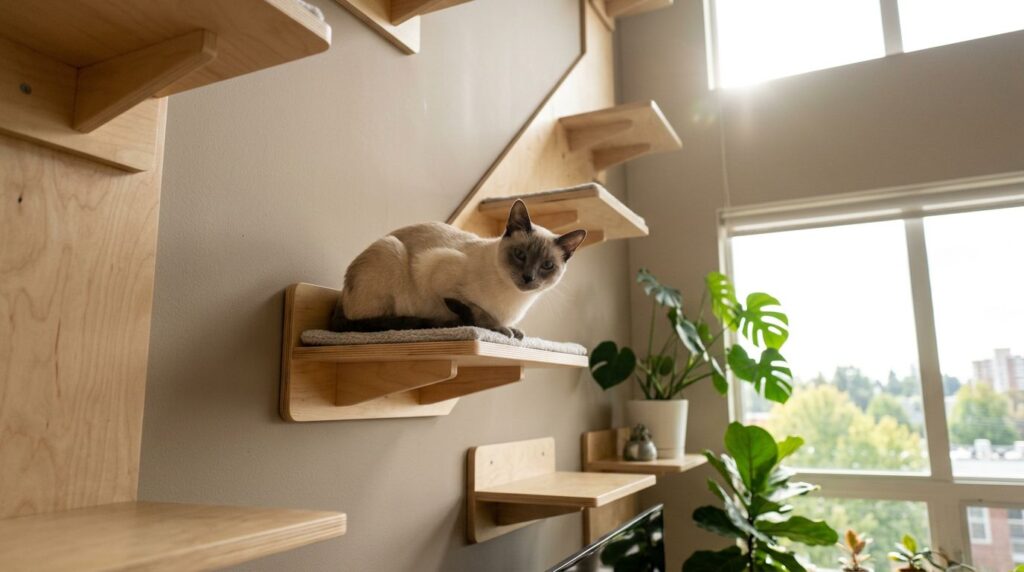
- Expanding Vertical Territory: Installing tall cat trees, window perches, and wall-mounted shelving creates elevated vantage points where pets can observe their surroundings safely above floor-level noise.
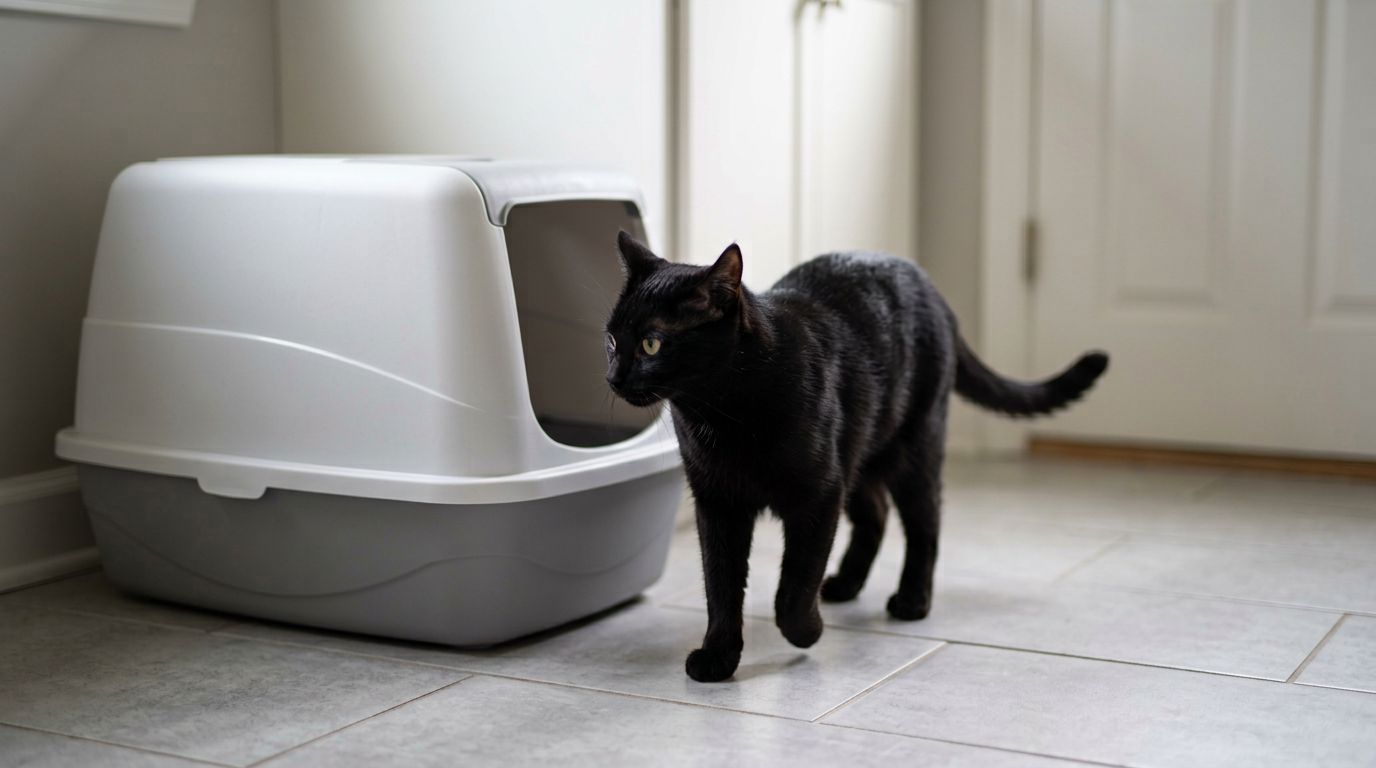
- Optimizing Litter Box Layouts: Adopting the standard rule of providing one litter box per cat plus one additional box ensures adequate access; placing these boxes in quiet, low-traffic nooks away from noisy appliances reduces anxiety during use.
- Deploying Calming Pheromones: Utilizing synthetic feline facial pheromone diffusers near favorite resting areas broadcasts chemical signals that mimic natural facial marking, promoting a feeling of security.
- Establishing Predictable Routines: Engaging in daily ten-minute interactive play sessions using feather wands or laser pointers helps burn off nervous energy and redirect hunting drives.
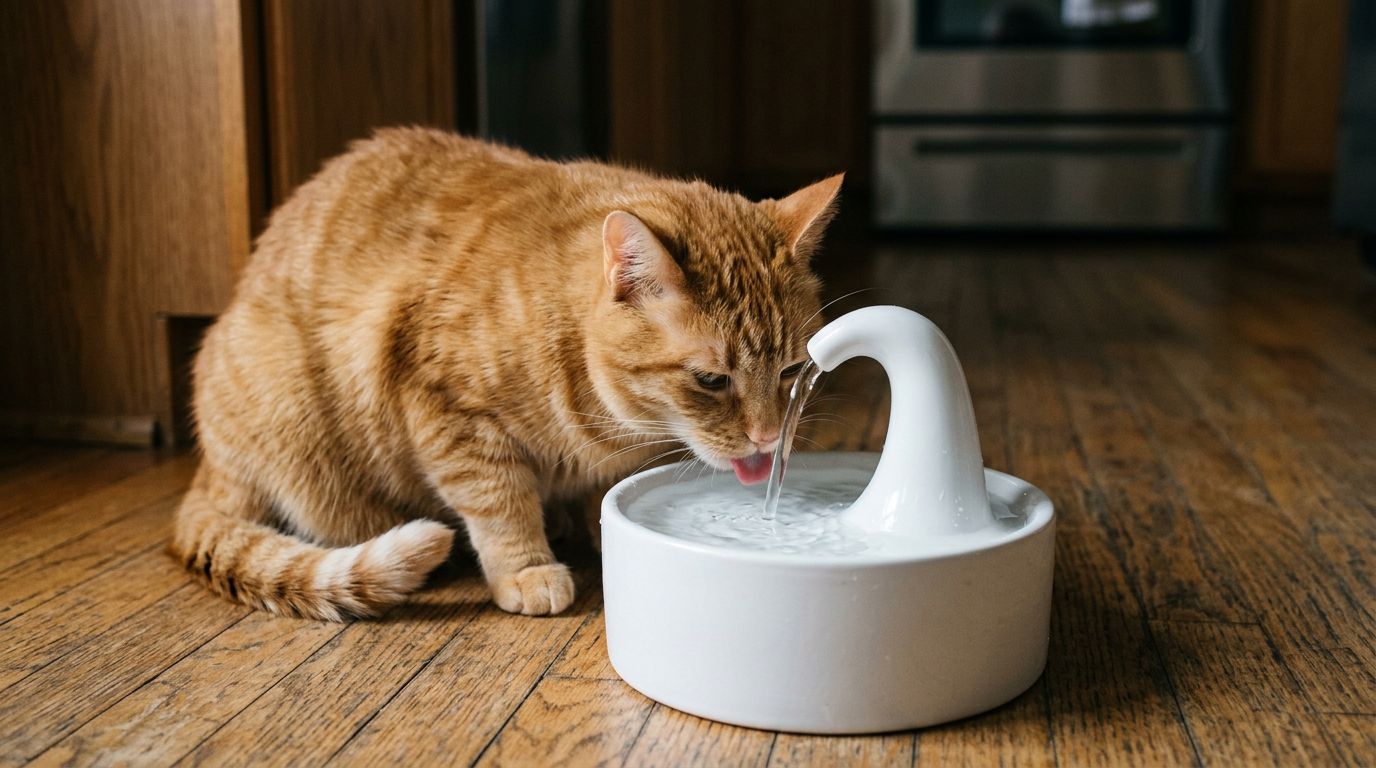
- Elevating Daily Moisture Intake: Transitioning from dry kibble to moisture-rich canned diets supplies essential hydration that naturally dilutes urine and flushes the bladder.
- Utilizing Circulating Water Fountains: Installing quiet, circulating water fountains encourages frequent drinking by appealing to an instinctual preference for fresh, moving water.
Making small, consistent changes to an indoor environment pays massive dividends for feline health. Diluting urinary solute concentrations through proper hydration while buffering environmental stress protects delicate bladder tissue from recurring inflammatory cycles.
Advanced Diagnostics and Feline Medicine: How Nimbus Pet Hospital Protects Your Cat
Addressing lower urinary tract distress requires a comprehensive medical approach that combines rapid diagnostic imaging with targeted therapeutic care. At Nimbus Pet Hospital, clinical protocols are designed to evaluate internal organ health quickly, identify specific underlying causes, and restore comfort for feline patients.
Comprehensive clinical capabilities available at our hospital include:
- In-House Urinalysis & Blood Chemistry: Running rapid microscopic crystal evaluations, urine pH testing, protein assessments, and comprehensive blood panels to evaluate kidney performance, electrolyte balances, and systemic inflammation.
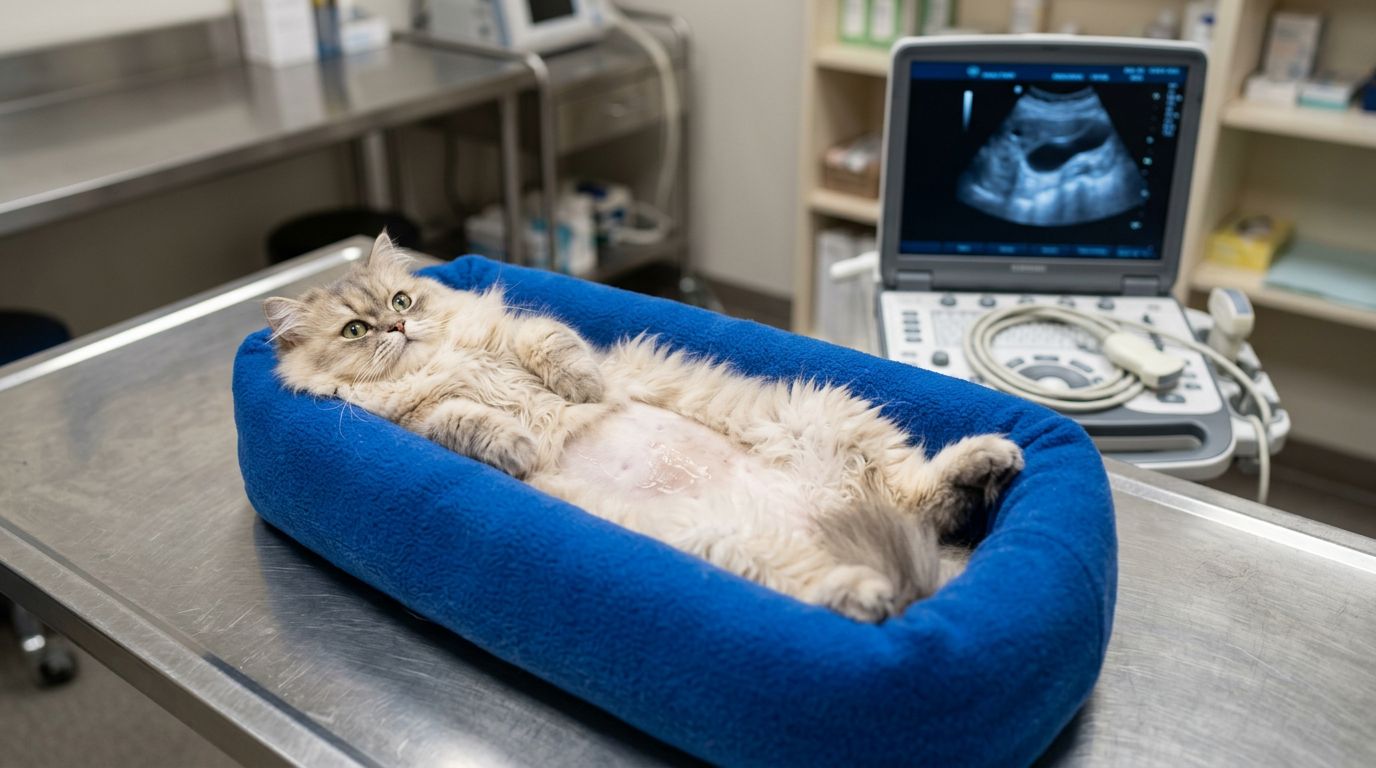
- Digital Radiography & Diagnostic Ultrasound: Utilizing high-definition digital imaging to rule out radiopaque bladder stones, structural anatomical defects, or tissue masses within the urinary tract.
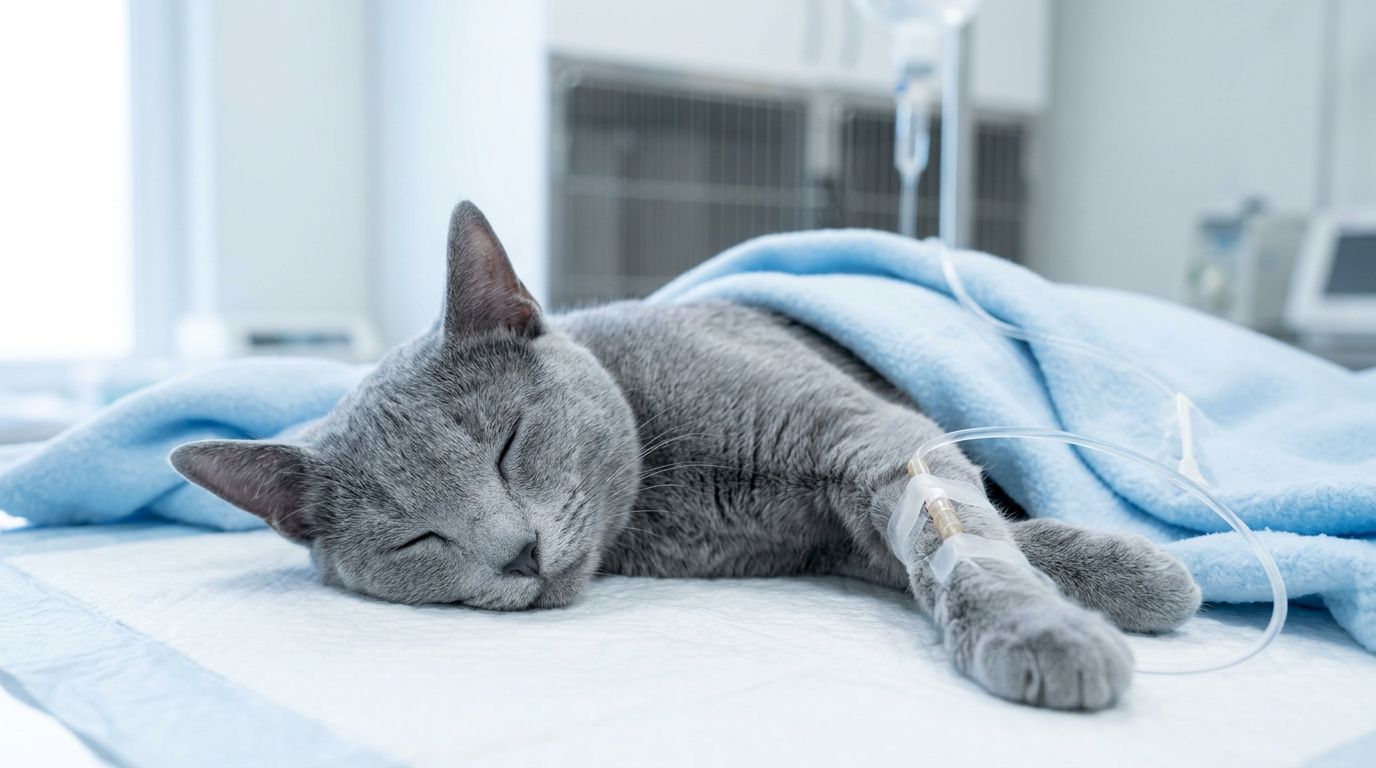
- Emergency Urethral Unblocking & Catheterization: Executing gentle, sedated urethral obstruction relief, sterile urinary catheter placement, continuous intravenous fluid therapy to balance blood chemistry, and tailored pain management protocols.
- Customized Prescription Diet Management: Formulating specialized therapeutic feeding strategies engineered to regulate urine pH, dissolve existing struvite crystals, and prevent future mineral precipitation.
Advanced diagnostic technology ensures that every feline patient receives an accurate diagnosis without delay. Whether managing a chronic case of stress-induced cystitis or treating an emergency blockage, personalized care protocols support long-term urinary health.
Feline-Focused Compassion: Why Tigard and Beaverton Pet Parents Trust Nimbus Pet Hospital
Providing exceptional medical care to sensitive indoor cats requires combining clinical expertise with an empathetic understanding of feline behavior. Located at 10115 SW Nimbus Ave #200 in Tigard, Nimbus Pet Hospital delivers comprehensive veterinary services to families across Tigard, Beaverton, and the broader Washington County community. Modern diagnostic facilities, quiet exam spaces, and low-stress handling methods ensure that every visit remains as calm and gentle as possible.
Recognizing that urinary emergencies often surface outside standard business hours, our hospital operates seven days a week with extended weekend availability. Operating Monday through Friday from 8:00 AM to 5:00 PM, Saturday from 8:00 AM to 3:00 PM, and Sunday from 8:00 AM to 1:00 PM, local pet owners have reliable access to experienced veterinary care when urgent symptoms arise. Partnering with a dedicated local team provides peace of mind, ensuring that compassionate medical support remains nearby whenever your pet needs attention.
Clear Answers for Local Cat Owners: Managing Stress and Feline Urinary Health
How rapidly can a urinary blockage become fatal for an indoor male cat, and how quickly can Nimbus Pet Hospital triage an emergency?
A complete urethral blockage is an immediate, life-threatening emergency that can cause irreversible kidney failure and fatal cardiac arrhythmias within twenty-four to forty-eight hours. Toxic metabolic waste and potassium rapidly accumulate in the bloodstream when urine cannot leave the body. Patients arriving at our SW Nimbus Ave clinic with suspected urinary obstructions receive immediate priority triage, rapid physical evaluation, and swift pain relief while our medical team prepares for emergency unblocking protocols.
What specific diagnostic tests will the medical team run to distinguish between feline idiopathic cystitis and bladder stones?
Distinguishing between non-infectious inflammatory cystitis and physical obstructions requires combining multiple diagnostic tools. Our clinical team performs complete urinalysis to evaluate urine pH, check for microscopic crystals, and screen for red or white blood cells. Digital radiographs and high-definition abdominal ultrasound allow our veterinarians to examine the interior of the bladder directly, identifying or ruling out calcified bladder stones, sediment, or structural wall thickening.
Can switching my apartment cat to a prescription urinary diet completely prevent future urethral obstructions?
Prescription urinary diets serve as a cornerstone of long-term prevention by controlling mineral levels, regulating urine pH, and promoting increased water consumption to dissolve struvite crystals. Diet alone, however, addresses only part of the equation when managing stress-induced Feline Idiopathic Cystitis. Achieving complete protection requires pairing specialized nutrition with environmental enrichment, stress reduction strategies, and consistent hydration support.
What are your weekend operating hours at the SW Nimbus Ave facility if my cat shows signs of urinary distress on a Saturday or Sunday?
Nimbus Pet Hospital operates seven days a week to ensure accessible care for local pet families. Our weekend operating hours are Saturday from 8:00 AM to 3:00 PM and Sunday from 8:00 AM to 1:00 PM. If a cat exhibits frequent litter box visits, straining, or vocalizing over the weekend, contacting our reception staff or coming directly to our facility at 10115 SW Nimbus Ave #200 in Tigard provides prompt access to diagnostic evaluations and treatment.
Safeguard Your Indoor Companion: Connect with Nimbus Pet Hospital Today
Balancing the safety of apartment living with the psychological needs of an indoor cat is key to preventing stress-induced urinary conditions. Combining proactive environmental enrichment at home with regular veterinary wellness care protects sensitive pets from the painful complications of Feline Idiopathic Cystitis and dangerous urethral blockages. Paying close attention to subtle litter box habits and acting quickly at the first sign of urinary discomfort ensures that your companion stays healthy, comfortable, and vibrant.
Reach out to the compassionate team at Nimbus Pet Hospital to schedule a feline wellness consultation or seek immediate evaluation for urinary concerns. Visit our state-of-the-art practice at 10115 SW Nimbus Ave #200, Tigard, OR 97223, or call us directly at 971-300-0613 to book an appointment. Our clinic is open Monday through Friday from 8:00 AM to 5:00 PM, Saturday from 8:00 AM to 3:00 PM, and Sunday from 8:00 AM to 1:00 PM. Let our experienced medical team help keep your indoor cat healthy, happy, and thriving across every stage of life.