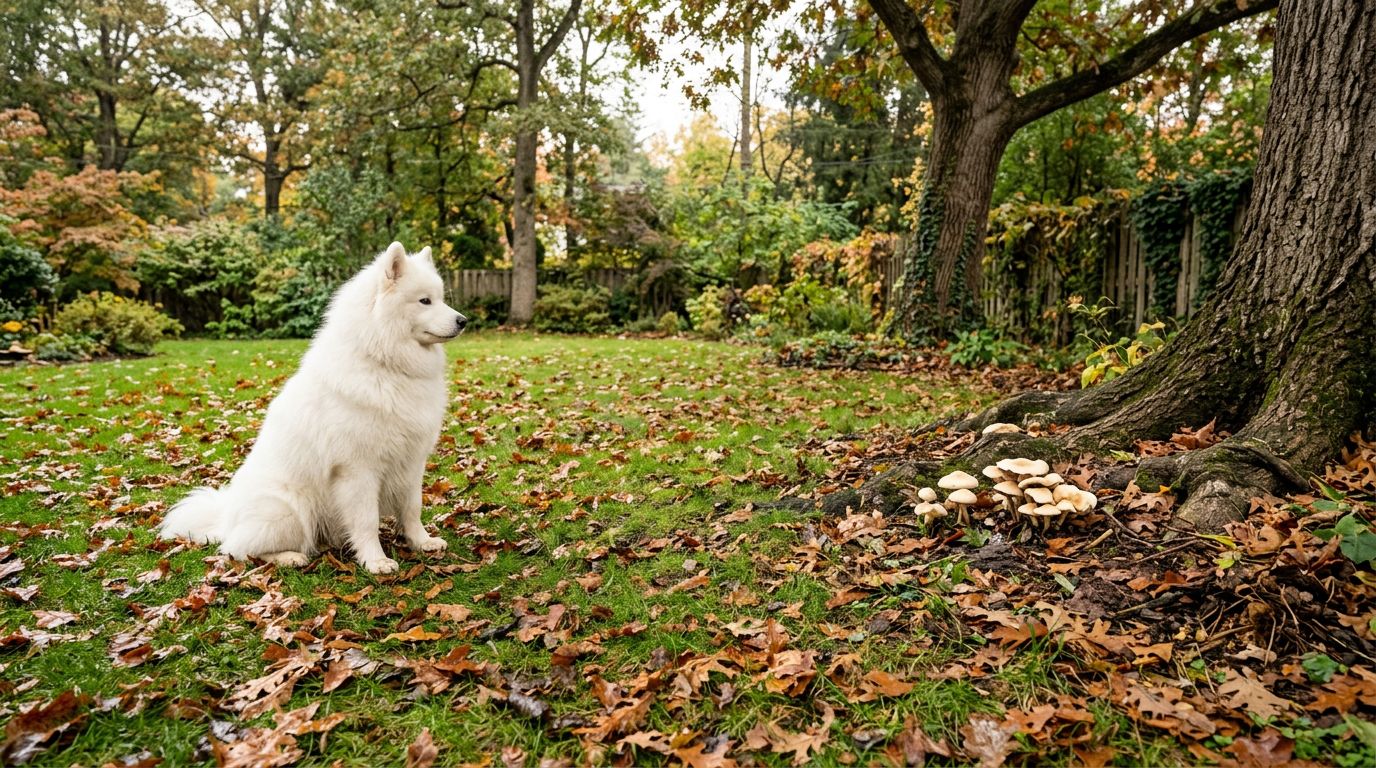
Lush green lawns and damp forest floors define the landscape of the Willamette Valley throughout autumn and winter. Across Tigard and Beaverton, heavy seasonal rains combined with mild coastal temperatures create perfect growing conditions for wild mushrooms. Fungi sprout overnight along residential sidewalks, shaded backyard grass, and popular walking paths like the Fanno Creek Trail or Cook Park.
While mushroom foraging attracts human enthusiasts across the Pacific Northwest, inquisitive dogs face extreme danger from these wild growths. Sniffing damp soil and tasting unusual lawn discoveries come naturally to curious canines. Differentiating between edible mushrooms and lethal wild species, however, is impossible for a dog. Accidental ingestion happens in seconds during a routine walk or a quick trip into the backyard. Recognizing seasonal fungal hazards and knowing where to seek rapid veterinary care protects local dogs when toxic species emerge.
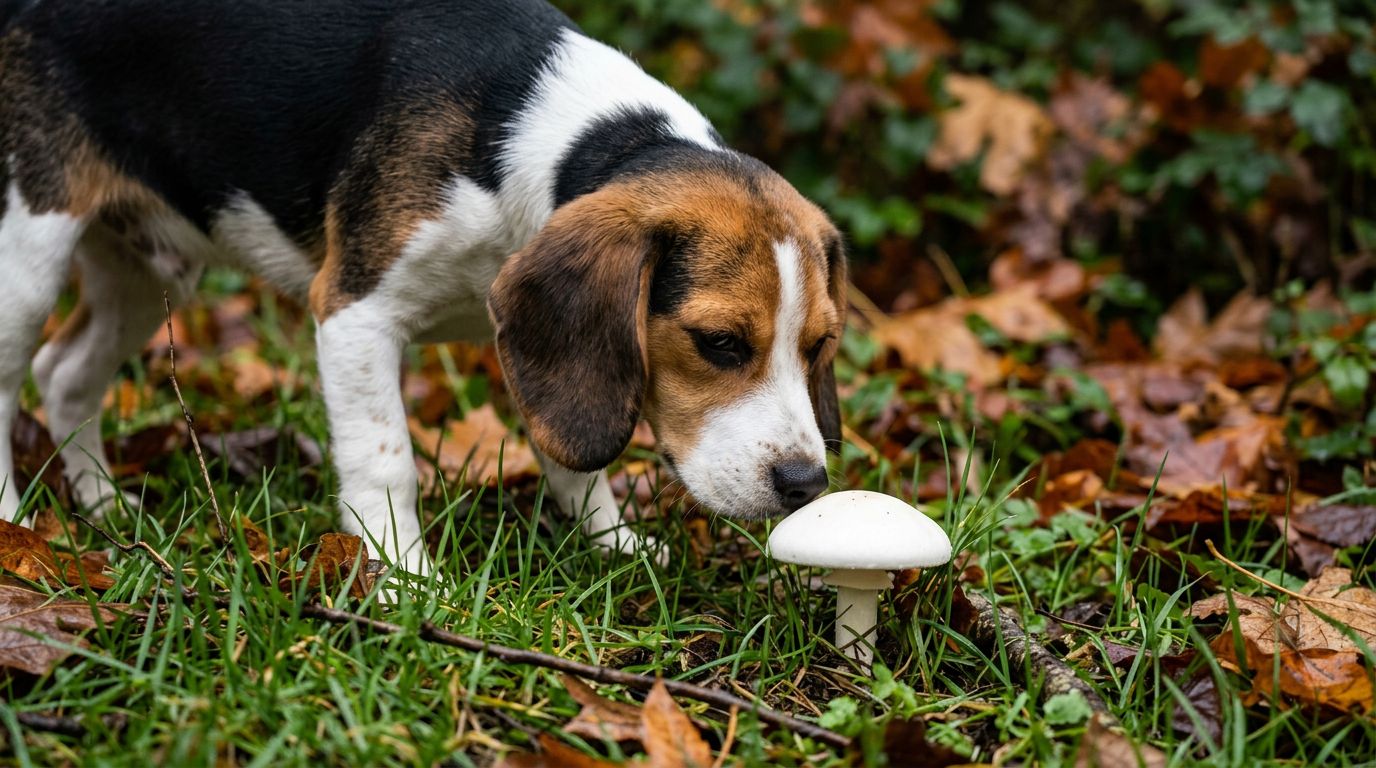
Table of Contents
- Unmasking the Fungal Threats: Death Cap (Amanita phalloides) and Panther Cap (Amanita pantherina)
- Toxin Timelines and Clinical Indicators: From GI Distress to Organ Stress
- Emergency Response Protocols: Immediate Actions for Suspected Ingestion
- Proactive Property Audits and Defensive Trail Habits
- Advanced Internal Medicine and Triage: How Nimbus Pet Hospital Responds
- The Nimbus Standard: Rapid Local Care for Tigard and Beaverton Families
- Critical Answers for Local Dog Owners: Mushroom Toxicity and Emergency Readiness
Unmasking the Fungal Threats: Death Cap (Amanita phalloides) and Panther Cap (Amanita pantherina)
Among the hundreds of wild fungi native to Oregon’s damp soil, two specific species pose catastrophic threats to domestic pets: the Death Cap (Amanita phalloides) and the Panther Cap (Amanita pantherina). Both varieties thrive in coastal forest ecosystems and suburban neighborhoods, frequently taking root near native oak, pine, and fir trees. Deceptively plain in appearance, these mushrooms often look identical to non-toxic varieties, making visual identification extremely challenging for non-experts.
The Death Cap (Amanita phalloides): Widely considered the most lethal mushroom species in the world, the Death Cap contains potent amatoxins. Heat-stable and chemically resistant, these toxins do not break down when cooked or dried. Once absorbed through the gastrointestinal tract, amatoxins attack cellular protein synthesis, causing rapid, irreversible destruction of liver and kidney cells. A single mature Death Cap cap contains enough poison to cause fatal organ failure in a large dog.
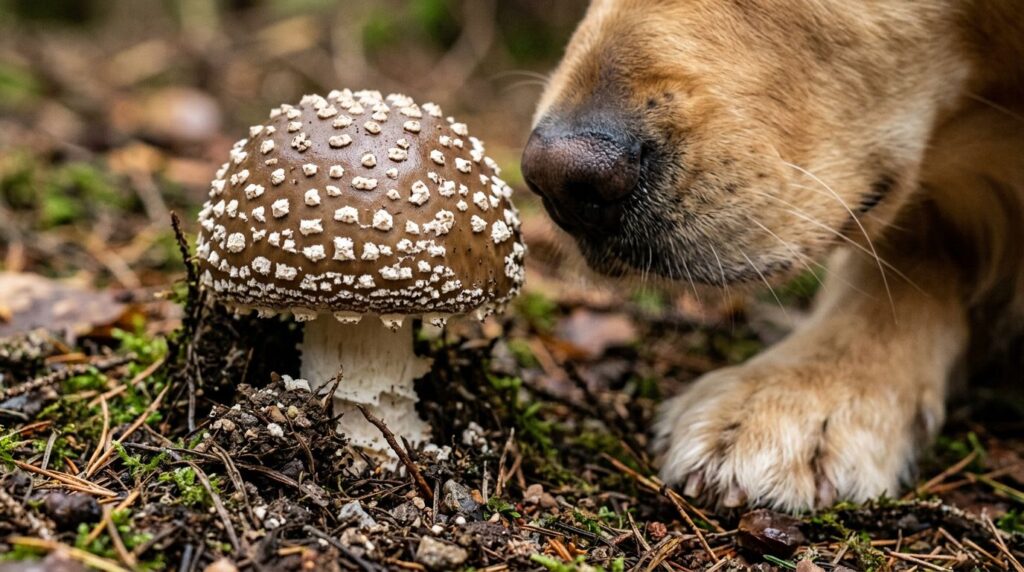
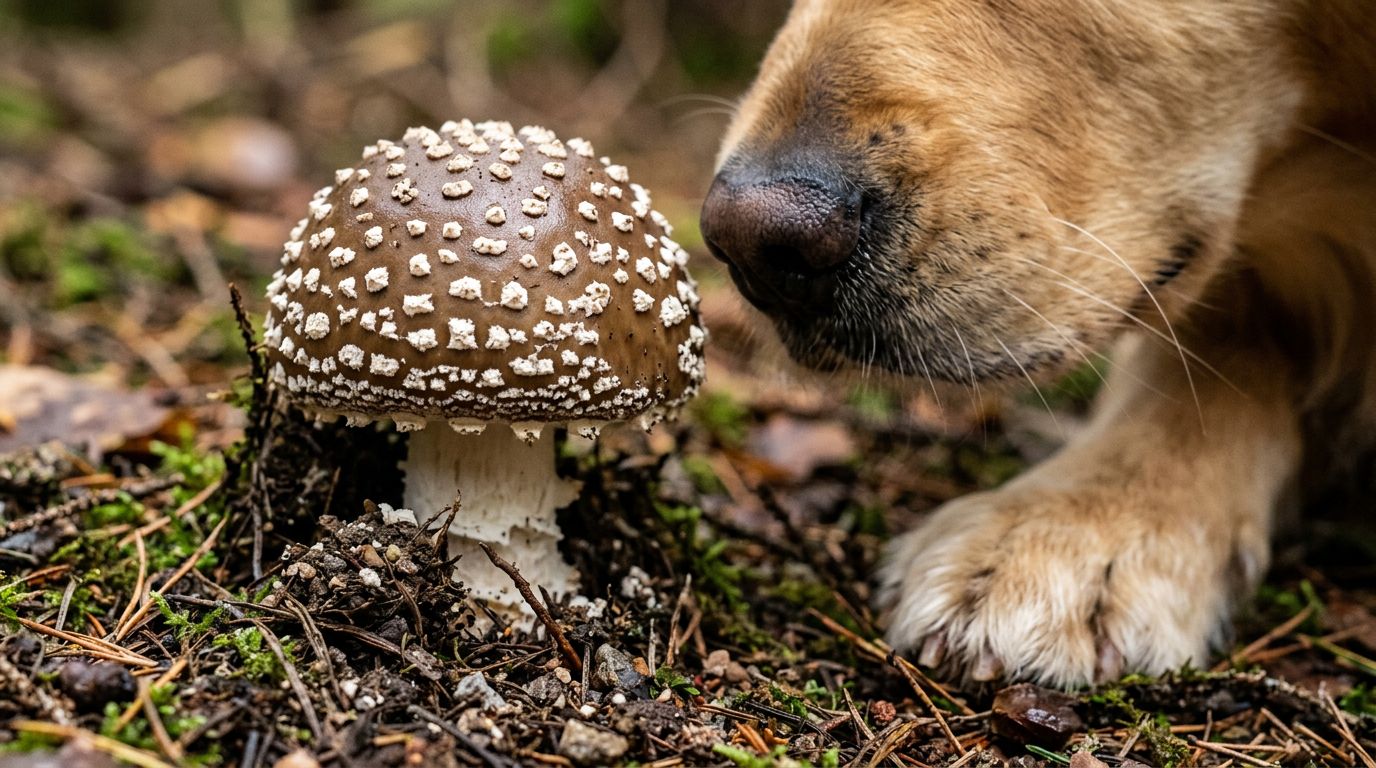
The Panther Cap (Amanita pantherina): Featuring a brownish cap studded with white, wart-like patches, the Panther Cap contains neurotoxins known as ibotenic acid and muscimol. Instead of targeting internal organs directly, these toxins cross the blood-brain barrier to severely disrupt central nervous system function. Ingestion triggers rapid neurological instability, ranging from profound disorientation and muscle tremors to severe seizures and respiratory depression.
Because non-toxic species often grow directly beside lethal Amanita varieties, assuming any wild mushroom is safe represents an extraordinary risk. Treating every wild fungal growth as a potential medical hazard remains the safest policy for dog owners across Washington County.
Toxin Timelines and Clinical Indicators: From GI Distress to Organ Stress
Pathogens and toxins manifest in distinct biological stages depending on the specific mushroom species consumed. Understanding these clinical timelines allows pet owners to spot physical distress early and communicate vital details to veterinary professionals.
In cases involving Death Cap (Amanita phalloides) ingestion, a dangerous, multi-stage timeline unfolds:
- Phase 1 (6 to 12 Hours Post-Ingestion): Initial symptoms emerge as acute gastrointestinal distress. Severe vomiting, abdominal cramping, profuse watery or bloody diarrhea, and rapid dehydration develop suddenly.
- Phase 2 (12 to 24 Hours Post-Ingestion): A deceptive “false recovery” phase occurs. Gastrointestinal upset appears to subside, leading owners to believe the danger has passed, even as amatoxins continue destroying internal liver and kidney tissue behind the scenes.
- Phase 3 (24 to 72 Hours Post-Ingestion): Severe hepatic and renal failure sets in. Clinical signs include yellowing of the eyes and gums (jaundice), dark urine, complete loss of appetite, internal bleeding, lethargy, coma, and eventual organ collapse.
Panther Cap (Amanita pantherina) toxicity follows a completely different, fast-acting neurological timeline:
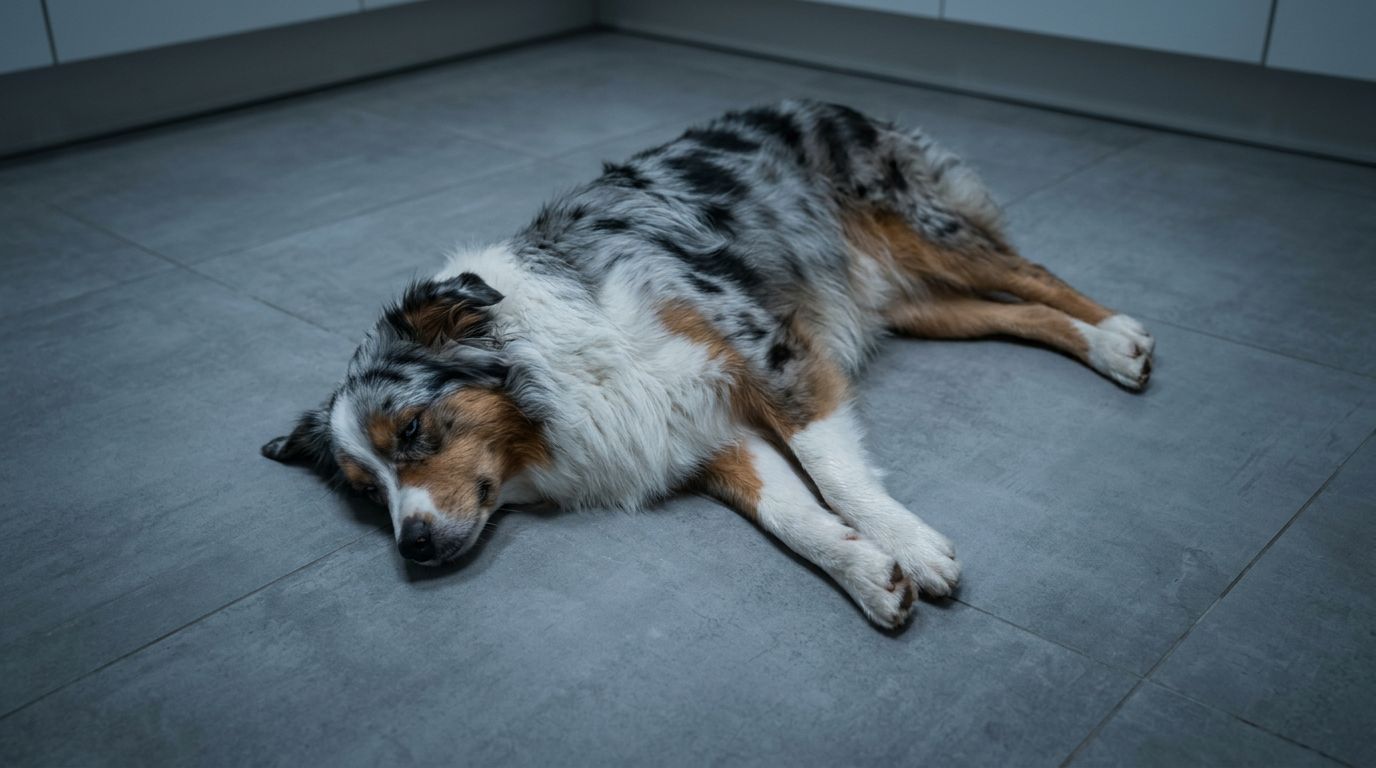
- Rapid Onset (30 Minutes to 2 Hours Post-Ingestion): Neurotoxins quickly affect brain chemistry, causing sudden physical unsteadiness (ataxia), stumbling as if intoxicated, and severe disorientation.
- Progressive Neurological Decline: Muscle twitching, involuntary eye movements, extreme agitation alternating with profound lethargy, severe muscle spasms, and violent seizures develop as toxicity peaks.
Waiting for physical symptoms to appear before taking action significantly reduces treatment success. Seeking immediate medical evaluation upon discovering an ingested mushroom remains essential for a positive outcome.
Emergency Response Protocols: Immediate Actions for Suspected Ingestion
Discovering a dog chewing on an unknown wild mushroom demands swift, calculated steps. Panicking or delaying care while searching online for identification guides allows toxins to absorb deeper into the bloodstream.
Executing a clear emergency protocol minimizes systemic risk:
- Act Immediately: Transport the dog to a veterinary facility without waiting to see if physical symptoms develop. Early intervention before intestinal absorption occurs drastically improves survival rates.
- Collect a Mushroom Sample Safely: Using gloves or a paper towel, carefully collect any remaining pieces of the mushroom, including the stem and base buried in the soil. Place the sample inside a clean paper bag or dry paper towel rather than a sealed plastic bag, which causes rapid sweating and decay that obscures identifying features.
- Document the Growing Site: Taking clear, well-lit smartphone photographs of the intact mushroom from multiple angles, along with the surrounding ground and tree roots, assists toxicologists with species identification.
- Do Not Induce Vomiting at Home: Administering household hydrogen peroxide without professional guidance can trigger severe esophageal ulcerations or cause the dog to inhale vomited material into the lungs. Inducing vomiting should only be performed by a veterinary team equipped with safe, targeted medications and airway protection.
Having a dedicated local veterinary clinic ready to receive the patient removes critical delays when every minute counts.
Proactive Property Audits and Defensive Trail Habits
Preventing fungal toxicity requires building proactive daily habits that reduce exposure opportunities around the home and on local walks. Incorporating simple environmental checks into an everyday routine protects curious dogs long before wild fungi can cause harm.
Essential preventative habits for local dog owners include:
- Conducting Daily Backyard Inspections: Scanning shaded lawn areas, damp fence lines, and soil around tree bases every morning removes newly sprouted mushrooms before dogs go outside.
- Disposing of Wild Fungi Safely: Plucking wild mushrooms from the root while wearing gloves and sealing them in a trash bag prevents accidental exposure in residential yards.
- Enforcing Short Leash Control: Keeping dogs on a fixed, non-retractable leash during damp autumn walks prevents sudden scavenging along wooded trail edges and unmaintained park perimeters.
- Avoiding Woodchip Beds: Steering clear of fresh, damp woodchip landscaping in public parks or commercial spaces minimizes contact with high-risk fungal growth zones.
- Training a Forceful “Leave It” Command: Practicing reliable drop-it and leave-it commands with high-value treats builds an essential safety habit that stops dogs from swallowing dropped or discovered objects.
- Improving Lawn Drainage: Raking wet leaves promptly and aerating saturated soil reduces the excess moisture wild mushrooms need to sprout.
Advanced Internal Medicine and Triage: How Nimbus Pet Hospital Responds
When a pet encounters a toxic substance, receiving immediate medical treatment from an advanced clinical team is critical. At Nimbus Pet Hospital, emergency triage protocols are structured to stop toxin absorption and protect vital organ function without delay.
Comprehensive medical interventions available at our hospital include:
- Emergency Triage and Decontamination: Administering professional, medically safe emetic agents to induce controlled vomiting, followed by gastric lavage and medical-grade activated charcoal to bind remaining gastrointestinal toxins before systemic absorption occurs.
- Rapid In-House Diagnostic Screening: Running immediate bloodwork, comprehensive chemistry panels, urinalysis, and organ enzyme profiles using our internal laboratory to monitor liver and kidney parameters in real time.
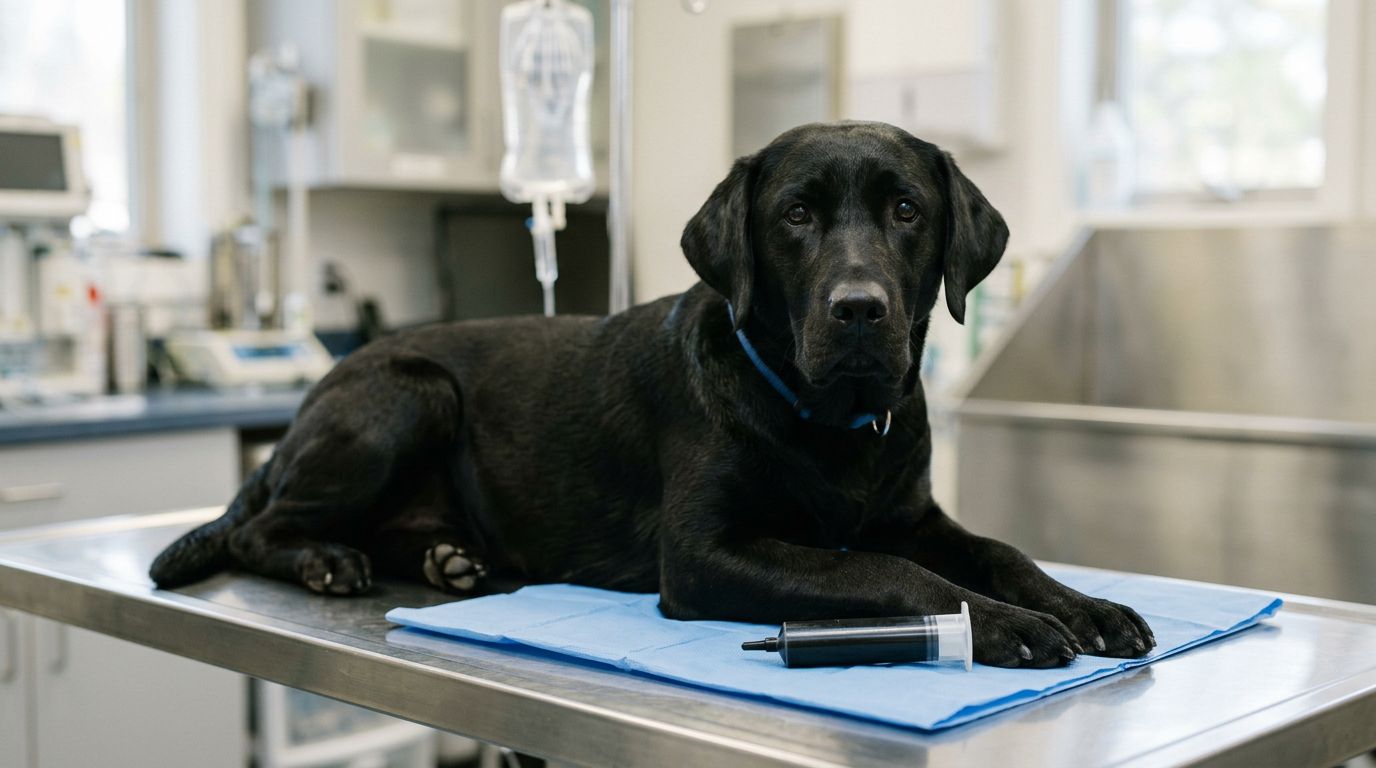
- Intravenous Fluid Therapy and Internal Medicine: Delivering aggressive, continuous IV fluid protocols to maintain blood pressure, preserve renal blood flow, and flush circulating metabolites through the urinary system.
- Advanced Imaging and Organ Evaluation: Utilizing digital radiographs and high-definition diagnostic ultrasound to evaluate abdominal organs and monitor internal tissue changes.
- Continuous Monitoring and Supportive Therapy: Tracking vital signs continuously in a calm environment while administering liver protectants, anti-nausea medications, and neurological stabilizers.
Rapid diagnostic capabilities combined with experienced veterinary care ensure that poisoning cases receive targeted, life-saving therapies immediately.
The Nimbus Standard: Rapid Local Care for Tigard and Beaverton Families
Navigating a sudden toxicity scare requires having a reliable, state-of-the-art veterinary hospital close to home. Conveniently located at 10115 SW Nimbus Ave #200 in Tigard, Nimbus Pet Hospital provides accessible care to families across Tigard, Beaverton, and neighboring Washington County communities. Modern medical technology, gentle handling methods, and an experienced clinical team define the care every patient receives.
Recognizing that medical emergencies do not conform to standard business hours, our facility operates seven days a week. Open Monday through Friday from 8:00 AM to 5:00 PM, Saturday from 8:00 AM to 3:00 PM, and Sunday from 8:00 AM to 1:00 PM, local pet owners have direct access to experienced medical guidance when unexpected hazards arise. Whether seeking urgent toxicity triage or establishing routine preventative care, our hospital stands ready to protect the health and comfort of local companions.
Critical Answers for Local Dog Owners: Mushroom Toxicity and Emergency Readiness
How quickly should I bring my dog to Nimbus Pet Hospital if I suspect they swallowed a wild mushroom in Beaverton?
Immediate action is necessary following any suspected wild mushroom ingestion. Bringing your dog to our SW Nimbus Ave clinic right away allows our medical team to perform early decontamination before toxins absorb into the bloodstream. Seeking medical intervention within the first hour offers the best opportunity to safely clear toxic material from the stomach.
What steps should I take to preserve a mushroom sample for the clinical team during an emergency visit?
Wrap any remaining pieces of the mushroom in a dry paper towel or place them inside a paper bag rather than using sealed plastic. Plastic containers trap moisture, causing rapid decay that makes clinical identification difficult. Taking clear smartphone photos of the intact mushroom growing in its natural environment also gives our veterinarians valuable visual clues.
Does your SW Nimbus Ave facility have on-site blood panels and IV therapy to treat acute toxicity?
Complete in-house diagnostic laboratory equipment at our hospital allows our team to run blood chemistry panels, organ enzyme screens, and urinalysis within minutes. Our facility is fully equipped to administer continuous intravenous fluid therapy, liver protectant medications, and active monitoring to manage acute poisoning cases effectively.
What are your operating hours in Tigard, and how do I access care if my dog ingests a toxic mushroom over the weekend?
Nimbus Pet Hospital operates seven days a week to support local pet families. Our clinic hours are Monday through Friday from 8:00 AM to 5:00 PM, Saturday from 8:00 AM to 3:00 PM, and Sunday from 8:00 AM to 1:00 PM. If an ingestion occurs during our business hours, call our office at 971-300-0613 or come directly to our hospital at 10115 SW Nimbus Ave #200 in Tigard. For after-hours emergencies when our doors are closed, we recommend contacting local emergency facilities such as Tanasbourne Veterinary Emergency or Bridgetown Veterinary Emergency.
Protecting your dog from seasonal Pacific Northwest hazards like the Death Cap and Panther Cap comes down to constant vigilance and trusted local medical support. Combining daily yard audits and defensive walking habits with rapid veterinary intervention creates a reliable safety net for your companion. Save the contact information for Nimbus Pet Hospital in your phone today so you are always prepared for unexpected medical needs. To schedule a routine wellness exam, discuss preventative healthcare plans, or consult with our experienced clinical team, contact Nimbus Pet Hospital at 10115 SW Nimbus Ave #200, Tigard, OR 97223, or call us directly at 971-300-0613. Our doors are open Monday through Friday from 8:00 AM to 5:00 PM, Saturday from 8:00 AM to 3:00 PM, and Sunday from 8:00 AM to 1:00 PM. Let us help keep your pet safe, healthy, and thriving across every season in Washington County.