
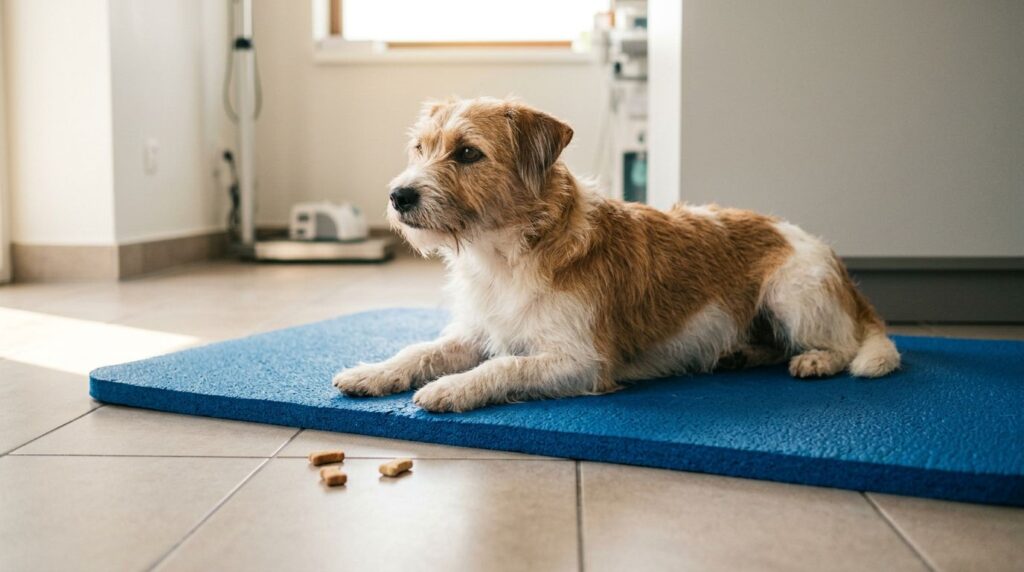
The Post-Adoption Coat Crisis: Facing the Shock of Sudden Hair Shedding
Welcoming a rescue dog into the home brings immense joy, yet the initial weeks of adoption can also introduce unexpected health worries. Many owners anticipate a period of behavioral adjustment, but a sudden physical regression can be deeply disconcerting. A common scenario involves an owner noticing thin patches of fur, intense scratching, or clumped shedding within days of bringing their new companion home. This rapid deterioration of the skin and coat frequently leaves families feeling overwhelmed, sparking fears that the animal is suffering from a severe systemic illness or that the domestic transition itself has caused an acute allergic reaction.
Table of Contents
- Microscopic Invaders: Distinguishing Sarcoptic Mange from Demodectic Mange
- The Internal Footprint: Stress-Induced Alopecia and Nutritional Deprivation
- Advanced Dermatological Screening on SW Nimbus Ave: Our Integrated Diagnostic Protocol
- The Independent Local Advantage: Why Personalized Advocacy Heals Vulnerable Rescues Better
- The Washington County Canine Dermatology Reference: Crucial Queries for Adoptive Families
- Restoring the Luster: Reclaiming a Healthy Coat for Your Rescue Companion
Skin and coat health serves as a direct mirror of a dog’s recent history, environment, and internal well-being. Rather than a singular illness, hair loss, clinically known as alopecia, is typically a visible surface symptom of a more complex underlying medical issue. Rescue animals frequently arrive with a heavy burden of past neglect, crowded shelter exposure, poor nutrition, and elevated stress levels. These compounding factors weaken the body’s natural defenses, leaving the skin highly vulnerable to external parasites, fungal infections, and metabolic imbalances. If you notice persistent bald patches, seeking professional abnormal dog hair loss treatment is critical to pinpointing the exact cause.
Attempting to treat extensive hair loss with over-the-counter medicated shampoos or commercial dietary supplements without a professional diagnosis often delays proper recovery. Skin irritations can stem from entirely different biological root causes, meaning a treatment that soothes one condition could actively aggravate another. Securing a precise veterinary evaluation through routine pet wellness exams is the only reliable way to cut through the guesswork, identify the specific pathogens or internal stressors at play, and establish a targeted care plan that provides real, long-term physical comfort to a newly adopted pet.
Microscopic Invaders: Distinguishing Sarcoptic Mange from Demodectic Mange
Parasitic infections are incredibly common among rescue dogs due to the crowded, high-stress nature of stray environments and animal shelters. When an animal’s immune system is strained, microscopic mites can rapidly colonize the skin, leading to a condition known as mange. Many owners treat mange as a single, generic disease, but veterinary medicine distinguishes between two entirely separate types of mite infestations. Each variety is caused by a different species of parasite, carries unique risks, and requires an entirely distinct clinical approach for effective canine mange treatment to achieve eradication.
Demodectic mange is caused by an overpopulation of the Demodex canis mite, an organism that actually lives in low numbers within the hair follicles of almost all healthy dogs. Under normal circumstances, a dog’s immune system keeps these native mites completely in check, preventing them from causing harm. However, when a rescue pup suffers from long-term neglect, severe malnutrition, or the prolonged stress of abandonment, their immune defenses drop significantly. This allows the resident mites to multiply uncontrollably, crowding the hair follicles until the hair shafts loosen and fall out.
- Demodectic mange typically presents as localized, non-itchy bald spots, frequently clustering around the face, eyes, forelimbs, and muzzle.
- This form of mange is entirely non-contagious to other animals or humans, as it relies on an individual immune deficiency rather than animal-to-animal transmission.
- Generalized demodectic mange occurs when the patches spread across the entire body, often signaling a deeper, systemic immune issue that requires veterinary intervention.
Sarcoptic mange, commonly known as canine scabies, presents a completely different clinical challenge. This condition is caused by the Sarcoptes scabiei mite, a highly contagious, burrowing parasite that tunnels directly into the outer layers of the skin to lay eggs. The physical tunneling, paired with the dog’s intense allergic hypersensitivity to the mite’s saliva and waste products, triggers a profound, relentless itching sensation. Affected dogs will scratch, bite, and chew at their skin continuously, rapidly removing their own fur and creating raw, weeping lesions across their extremities.
Continuous scratching from sarcoptic mange breaks the natural skin barrier, introducing environmental bacteria into the open wounds. This secondary complication leads to deep bacterial skin infections, clinically referred to as pyoderma, which manifest as painful pustules, severe crusting, and a distinct, unpleasant odor. Sarcoptic mange prefers areas with less hair, making the ear margins, elbows, hocks, and the underside of the chest the primary targets for intense crusting and hair loss. Because scabies is highly zoonotic, it can easily spread to other household pets and human family members, making rapid clinical isolation and professional treatment an absolute necessity.
The Internal Footprint: Stress-Induced Alopecia and Nutritional Deprivation
Not all hair loss in rescue dogs is driven by external parasites. The severe psychological trauma of displacement, abandonment, and shelter confinement can leave a profound physical footprint on an animal’s body. The biological connection between chronic emotional distress and skin health involves a complex cascade of hormones that can actively disrupt the natural lifecycle of a dog’s fur coat, a process known as telogen effluvium.

Canine hair growth moves through distinct structural phases: anagen (the active growth phase), catagen (the regression phase), and telogen (the resting phase). When a dog experiences prolonged periods of intense fear, separation anxiety, or environmental chaos, their adrenal glands release massive amounts of stress hormones, primarily cortisol, into the bloodstream. High systemic cortisol levels act as a biological emergency brake, forcing a large percentage of active hair follicles to prematurely shut down and enter the resting telogen phase all at once to conserve internal resources for vital organs.
Once the dog finally settles into a safe domestic environment and their stress levels begin to stabilize, the hair cycle attempts to reset. As the follicles transition back into the active growth phase, the newly forming hair shafts push the old, dormant hairs out of the follicles simultaneously. This results in widespread, heavy shedding and sudden patches of alopecia that appear weeks after the initial stressful event has ended. While this form of hair loss can look alarming, it is actually a physical sign that the body is recovering from past trauma, though it requires veterinary confirmation to rule out active infections.
Long-term nutritional deprivation further compounds this coat crisis. Rescue dogs who have survived as strays or received low-grade commercial food often suffer from severe deficiencies in vital proteins, essential amino acids, zinc, and omega fatty acids. Hair is composed primarily of a specialized protein called keratin, and without a constant supply of high-quality dietary nutrients, the body cannot anchor hair shafts securely within the follicles. This nutritional starvation causes the coat to become incredibly dry, brittle, and easily shed, while weakening the lipid skin barrier and leaving the dog highly susceptible to environmental allergens and secondary yeast overgrowth.
Advanced Dermatological Screening on SW Nimbus Ave: Our Integrated Diagnostic Protocol
Restoring a rescue dog’s skin health requires moving past surface observations to utilize precise, high-tech veterinary diagnostics. Nimbus Pet Hospital, located conveniently on SW Nimbus Ave, provides an advanced medical facility specifically equipped to isolate and treat the complex root causes of canine alopecia. Our veterinary team views comprehensive veterinary dermatology as an essential piece of a pet’s complete preventative and urgent wellness routine, combining modern laboratory technology with gentle handling to deliver fast, accurate answers.
Our integrated diagnostic protocol begins with a comprehensive wellness examination where our doctors evaluate the animal’s full metabolic footprint. Because skin issues can overlap, our practitioners do not rely on visual guesswork. We perform precise, targeted diagnostic tests right here in our office to identify the exact pathogens impacting your pet’s skin barrier:
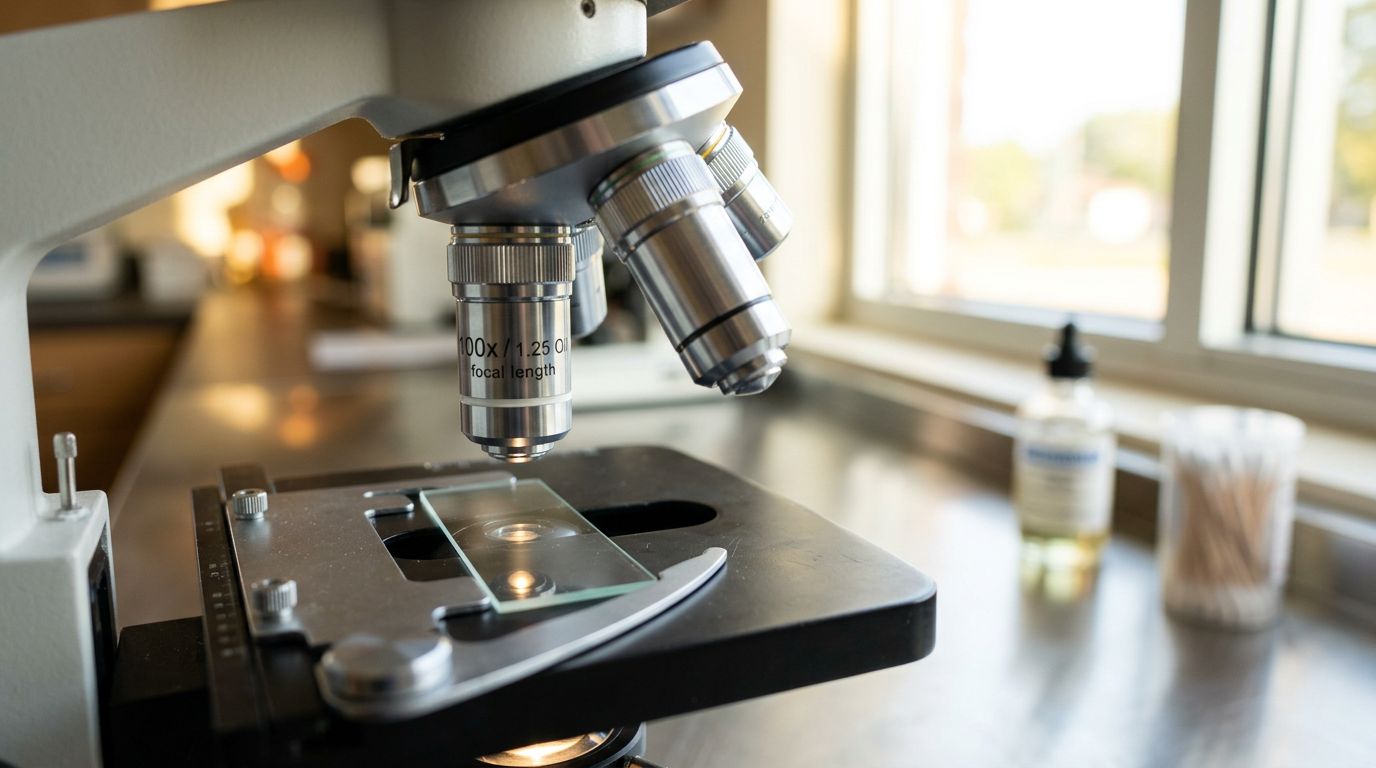
- Superficial and deep skin scrapings are utilized to collect microscopic tissue samples from the hair follicles, allowing our team to isolate and identify deep-dwelling Demodex mites or burrowing Sarcoptes parasites under high magnification.
- Microscopic skin cytology allows our technicians to analyze surface cells from raw or crusted lesions, accurately counting active bacterial strains and identifying Malassezia yeast overgrowths to ensure correct antibiotic or anti-fungal selection.
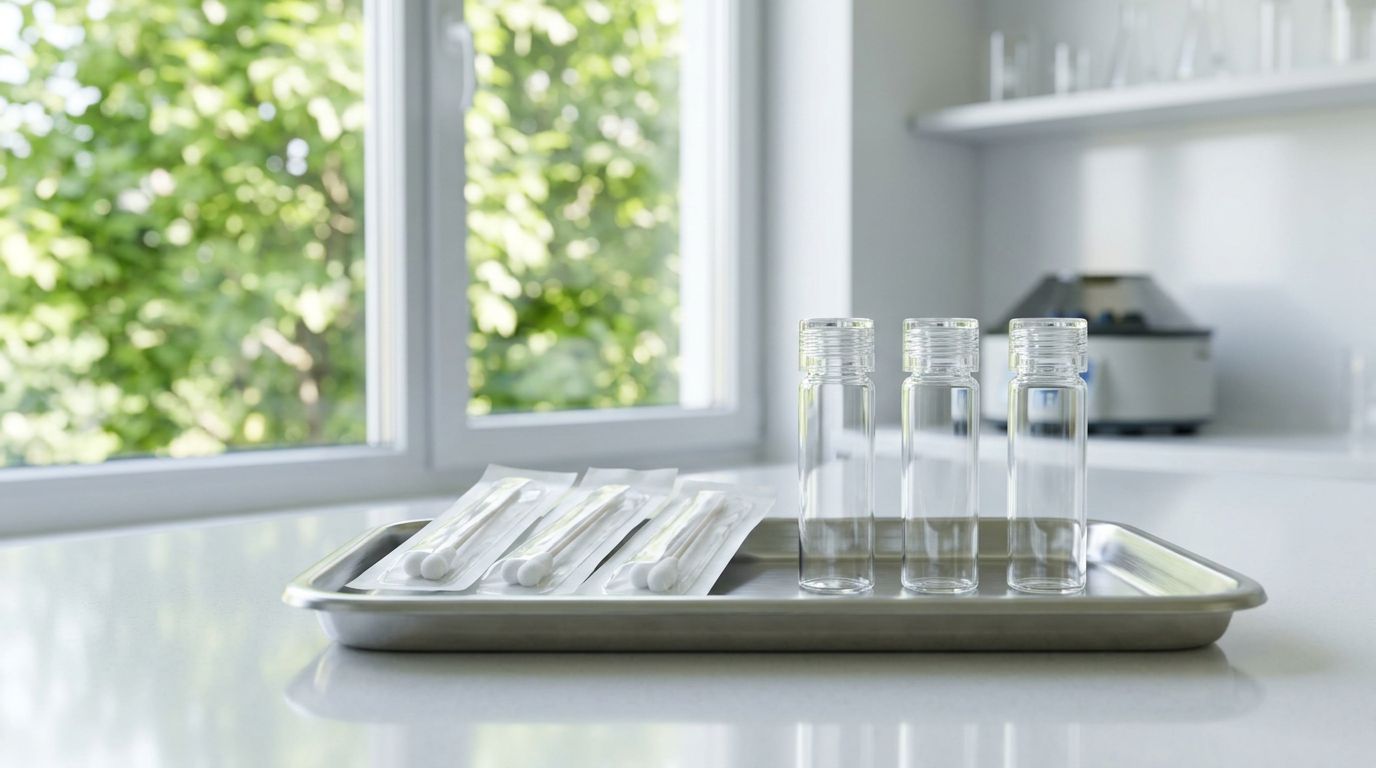
- Specialized fungal cultures, including Dermatophyte Test Medium, are initiated to screen for ringworm, a highly contagious fungal infection that mimics standard alopecia and requires careful environmental management.
- Comprehensive blood chemistry panels and thyroid screenings are performed to rule out underlying hormonal imbalances, such as hypothyroidism or Cushing’s disease, which can cause chronic bilateral hair loss in adult dogs.
Once our laboratory isolates the primary trigger, our medical team designs a customized, multi-layered therapeutic protocol to soothe the immediate irritation and promote rapid coat regeneration. We utilize modern, highly safe parasite infestation treatments, such as modern isoxazoline class medications, which have revolutionized mange therapy by safely eliminating mites with a single dose. Our facility also coordinates advanced soft-tissue care and therapeutic topical protocols to repair deep skin damage, combining prescription medications with targeted nutritional recommendations to rebuild your dog’s natural lipid defenses from the inside out.
The Independent Local Advantage: Why Personalized Advocacy Heals Vulnerable Rescues Better
The business structure of your veterinary provider can play a fundamental role in the quality of care and emotional comfort your newly adopted pet experiences. The modern pet care landscape has seen a massive surge in corporate-owned veterinary chains, which often manage their facilities using standardized corporate metrics, rigid timing scripts, and volume-driven revenue quotas. In these high-pressure corporate environments, vets are often forced to move through appointments in ten to fifteen minutes, a rushed approach that can be incredibly terrifying for a nervous, formerly traumatized rescue dog.
Nimbus Pet Hospital operates on a completely different, relationship-centered foundation. As a proudly independent, locally owned practice serving the Tigard and Beaverton communities near Washington Square, our team answers exclusively to our neighbors and the animals we treat. Led by the trusted veterinary care of Dr. Jaina and Dr. Hadi, our hospital focuses entirely on personalized medicine. We do not use remote corporate algorithms; instead, we take the necessary time to build a thorough patient history and understand your rescue dog’s unique emotional and physical boundaries.
Vulnerable rescue animals require a gentle, low-stress handling approach to ensure their veterinary visits do not cause secondary emotional trauma. Our independent status gives our doctors and technicians the freedom to move at your dog’s pace, using positive reinforcement, comfortable examination environments, and slow, patient interactions to conduct necessary skin testing safely. We focus strictly on what your companion needs to heal, designing practical treatment plans that respect your family budget while ensuring fair, transparent pricing for long-term health solutions.
The Washington County Canine Dermatology Reference: Crucial Queries for Adoptive Families
How do the veterinarians at SW Nimbus Ave determine if my rescue dog’s itching is from allergies or a transmissible parasite?
Our medical team differentiates between environmental sensitivities and active parasitic infestations using a structured, step-by-step diagnostic process during the exam. We start with superficial and deep skin scrapings to search for microscopic mites, along with tape impressions to capture surface cells. Analyzing these in our on-site laboratory allows us to immediately confirm or rule out pests like mange or fleas. If no parasites are present but specific inflammatory cells are high, we then shift our focus toward treating localized environmental allergies or managing dietary hypersensitivities.
Is it possible to affordably treat severe shelter-related skin conditions without being locked into a corporate vet care contract?
Absolutely. Because we are an independent hospital, we tailor all medical treatments to your dog’s specific, current needs without upselling. We don’t require clients to sign long-term corporate contracts, pay monthly membership fees, or buy into rigid care tiers. You only pay for the necessary skin scrapings, examinations, and specific medications your rescue needs during their visit. This flexibility allows us to manage chronic dermatological issues affordably and with complete financial transparency.
My newly adopted dog is terrified of the vet. How does your clinic handle sensitive skin exams for traumatized rescues?
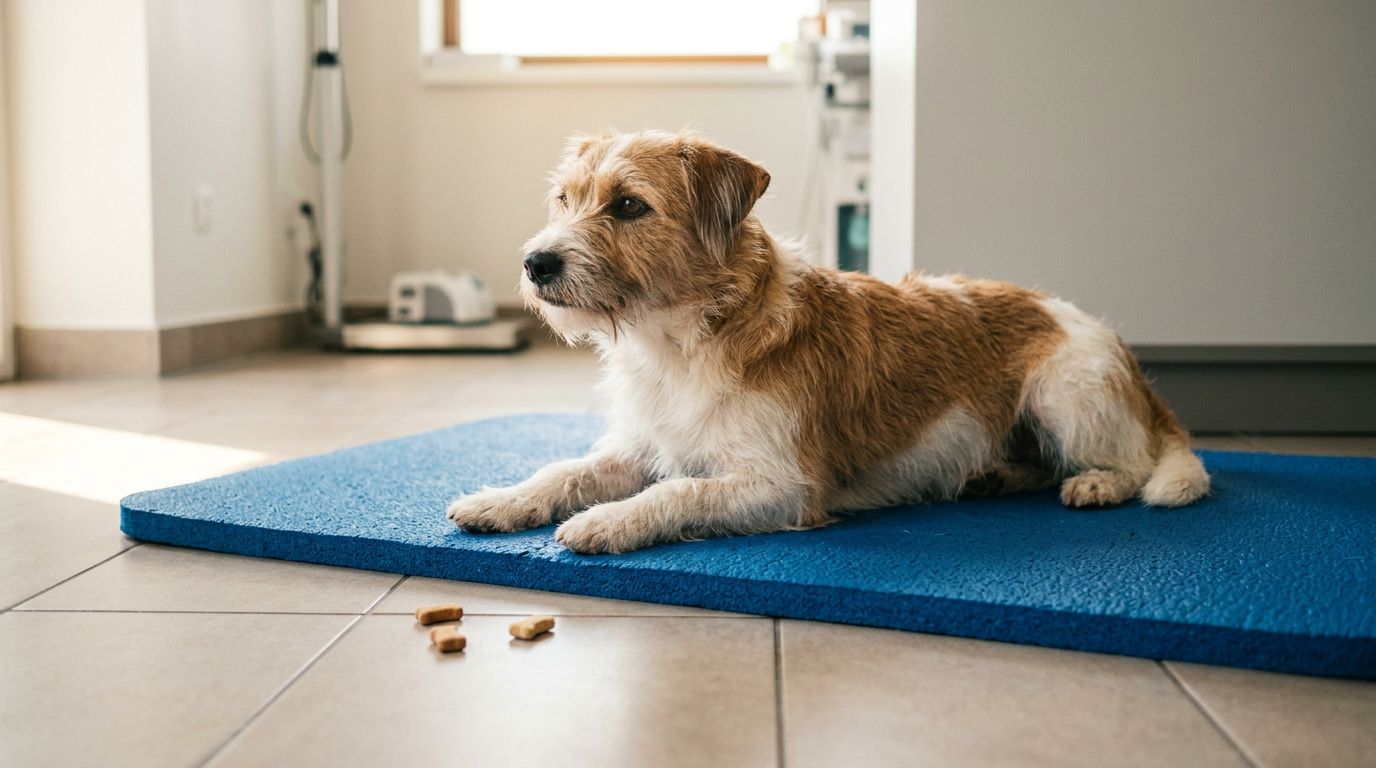
We use specialized, low-stress handling techniques to minimize anxiety for fearful rescue pets. Instead of forceful restraint, we utilize non-slip mats, comfortable positioning, and high-value treats as positive distractions during procedures like skin scrapings or blood draws. Our team gives nervous dogs time to acclimate to the clinic’s sounds and smells before starting, and if a dog experiences severe panic due to past trauma, we can safely employ short-acting calming protocols to make the exam stress-free.
Why is local, community-based vet care important for protecting my rescue dog from Washington County’s specific skin hazards?
Partnering with a local, community-focused clinic ensures your dog is protected against the exact environmental risks present in our regional trails and waterways. Slow-moving rivers and ground pools in Washington County can harbor specific waterborne bacteria, leptospirosis, and seasonal parasites that easily breach a rescue dog’s weakened skin barrier. By maintaining consistent wellness checks with our Tigard team, we ensure your pet’s vaccines and prescription parasite preventatives are specifically tailored to block the local fleas, ticks, and mites in our area.
Restoring the Luster: Reclaiming a Healthy Coat for Your Rescue Companion
A rescue dog’s sudden hair loss or intense skin irritation will not simply resolve on its own, and delaying professional medical intervention only prolongs their physical discomfort while exposing their raw skin to deep secondary bacterial infections. Watching a newly adopted family member struggle with non-stop scratching or brittle fur can be deeply stressful, but combining targeted nutritional support at home with advanced, expert diagnostics is the only reliable path to achieving real, lasting healing. Your pet relies entirely on your ability to look past surface symptoms and secure the scientific veterinary care they need to thrive in their new life.
The dedicated medical team at Nimbus Pet Hospital is fully prepared to provide the advanced diagnostic screening, modern therapeutic protocols, and compassionate handling your rescue companion deserves. Our independent facility on SW Nimbus Ave combines cutting-edge laboratory technology with a deep, personal commitment to community animal wellness. Stop leaving your pet’s coat changes to guesswork or relying on unverified over-the-counter remedy washes that fail to treat the underlying cause. Contact our friendly staff by calling or texting (971) 300-0613 right away, or visit our hospital today to secure a comprehensive wellness assessment and return a beautiful, pain-free coat to your favorite four-legged adventurer.